


Standing beneath the soaring ceiling of the Sistine Chapel is a moment that tops almost every traveler’s bucket list. As the crown jewel of the Vatican Museums, Michelangelo’s masterpiece draws millions of visitors, all eager to witness the brushstrokes that changed the course of art history.
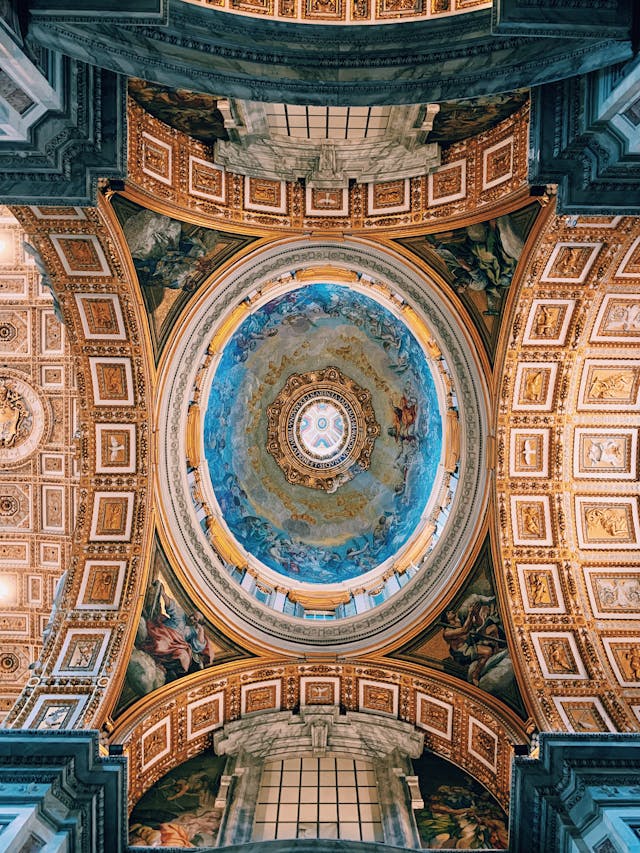
However, the reality of visiting can be overwhelming; with over 50 galleries to navigate and thousands of fellow travelers, it is easy to succumb to “museum fatigue” before you even reach the main event. While anyone can walk through the doors and look up, the true “pro move” for a high-end Roman holiday is choosing a guided experience.
A guide does more than just show the way; they reveal the secrets and stories that a standard visitor will simply never see.
5 Secret Perks of a Guided Tour
Stepping inside the Vatican is only half the journey; the real magic lies in understanding the layers of history hidden within its walls. Choosing a guided path transforms a simple walkthrough into a deep, immersive exploration of one of humanity’s greatest achievements.
1. Skip-the-Line Efficiency and Priority Access
Navigating the massive crowds at the Vatican can easily eat up hours of your morning if you are standing in the general admission line. One of the greatest benefits of a tour is the ability to bypass these long queues through dedicated group entry points.
To make the most of this perk, it is best to secure your Sistine Chapel tickets well in advance to guarantee your preferred time slot. Booking through a reputable platform like Tickets&Tours ensures that your entry is handled by professionals who specialize in priority access and seamless logistics. Their expertise removes the stress of navigating complex booking windows and sold-out dates. Such a reliable service lets you focus entirely on the beauty of the Renaissance rather than the frustration of waiting in line.
2. Decoding the Hidden “Code” of Michelangelo
To the untrained eye, the frescoes are a stunning display of biblical scenes, but to a guide, they are a complex “code.” Michelangelo was famously rebellious, and he used his art to hide subtle “digs” at the Pope and other historical figures he clashed with.
By understanding these artistic protests, you begin to see the ceiling not just as religious art, but as a bold statement of personal and political defiance. A guide will point out these forbidden stories, along with the anatomical secrets hidden in the figures’ poses. Without an expert to decode these details, you are only seeing half the picture.
3. Navigating the Vatican Maze with Ease
The Vatican Museums are a literal maze of miles of corridors and galleries. One of the most underrated perks of a guide is their ability to use “secret” shortcuts and routes that are often reserved for authorized groups, saving you miles of unnecessary walking.
This strategic maneuvering ensures you don’t waste your energy in the less relevant wings of the museum before reaching the main event. Furthermore, they know exactly where to stand to catch the best light and the least crowded perspectives. This expert navigation ensures you arrive at the Chapel with your energy intact and your eyes ready to appreciate the art.
4. Clear Commentary and Essential Briefings
Inside the Sistine Chapel, silence is strictly enforced by guards, meaning your guide cannot speak once you cross the threshold. Guided tours solve this by providing a detailed “pre-briefing” using high-resolution visual aids before you enter the sacred space.
This expert preparation ensures you know exactly where to look for the most famous details without needing a guidebook. By having the history explained beforehand, you can enter the room and simply absorb the beauty in the required silence. This structured approach means you spend your time in the chapel focused on the art itself rather than trying to figure out the complex scenes on your own.
5. Exclusive Context on the “Renaissance Rivalries.”
The art of the Vatican did not exist in a vacuum; it was fueled by intense, sometimes bitter competition. A guide brings this human drama to life, sharing the behind-the-scenes stories of the rivalry between Michelangelo and Raphael that shaped the very walls you are walking past.
They connect the Chapel to the rest of the galleries, turning a series of beautiful rooms into a cohesive and logical story. This historical context turns a sightseeing stop into a profound cultural experience that resonates long after you leave.
Conclusion
A guided tour is more than just an upgrade; it is an investment in your time and your memory of Rome. The hours saved and the expert storytelling provide a level of value that a standard ticket simply cannot match. By treating your visit as a once-in-a-lifetime event, you ensure that you connect with Michelangelo’s legacy on a much deeper level. For the traveler seeking a truly transformative experience, the guided path is the only way to go.











Add Your Comment