


Why does the house always seem to fall apart when the weather turns rough? A bit of rain, and the ceiling leaks. A gust of wind, and something starts thumping in the attic. Lately, it’s more than just seasonal change—it’s record storms, rising heat, and rainfall that feels more like a pressure washer. In places like Vancouver, where rain is constant, homes are under more strain than ever. Weather is no longer just a background detail—it’s reshaping how we care for our homes.
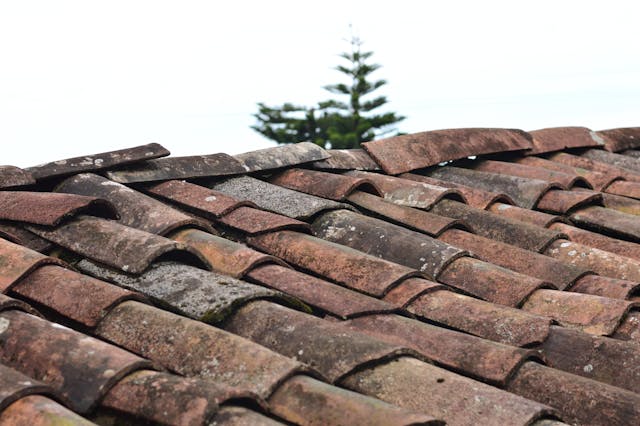
In this blog, we will share how different weather conditions impact your home’s structure, appearance, and safety—and what you can do to stay ahead of the damage.
What Moisture and Heat Really Do to Your House
Moisture is sneaky. It doesn’t need a big storm to cause problems. Even a few days of heavy fog or back-to-back drizzle can work their way into your siding, walls, and roof. Wood swells. Paint blisters. Mold starts where you least expect it—like behind that cute photo wall in the hallway.
Heat, on the other hand, cracks things. It dries out caulk and paint. It makes roofing materials brittle. It warps window frames. It loosens up things that used to stay tight. And when a heat wave ends with a thunderstorm, well, that’s when the real damage begins.
So what does all this mean? Homes are now constantly shifting. And the structure that kept everything safe 10 years ago may not be doing its job anymore.
This is especially true at the top of your home. Shingles take the brunt of UV rays. Gutters clog from wind-tossed debris. And small cracks in the roof grow bigger each season. If you’re starting to feel the effects—or even just suspect something’s off—reach out to a reliable Vancouver roofing company that understands how to deal with all four seasons showing up in one week.
The sooner you act, the better the odds that you’ll avoid costly fixes later.
Cold Weather’s Not Just About the Chill
It’s easy to assume winter is all about staying warm. But your house needs more than just a thermostat upgrade to survive freezing temperatures.
Water that seeps into cracks during warmer days can freeze overnight. That freeze causes expansion. Expansion causes pressure. Pressure breaks things. It’s why driveways split open and bricks start chipping at the corners.
And then there’s ice damming. When snow melts on your roof and refreezes at the edges, it forms a dam. Water gets trapped. It pushes under shingles and into attics. One day, your ceiling’s fine. The next, it’s raining indoors.
Even insulation and ventilation play roles. Without proper airflow, moisture builds up inside. It clings to walls, floors, and ceilings—inviting mold and mildew to settle in like unwanted roommates.
The takeaway? Cold isn’t passive. It’s active. It creeps in, works its damage, and leaves you with the bill if you’re not paying attention.
How Wind Makes Everything Worse
Wind doesn’t just blow leaves around. It tests your house like a toddler tests patience. It lifts shingles. It bends fences. It yanks off trim pieces you didn’t know could detach.
When gusts reach a certain speed, they also fling debris with surprising force. A small tree branch can punch a hole through vinyl siding or take out a window screen. After a few seasons of this, the edges of your house can look pretty worn.
Even worse, wind often shows up as part of a bigger storm. That means it’s tag-teaming with rain, hail, or snow—causing double or triple the damage in a single event.
Your best defense? Regular checks. Look at the seams, corners, and edges of your home. If anything seems loose or flimsy, tighten it up now before it flies off later.
Sun Might Be the Silent Killer
We love sunshine. Until we don’t. UV rays don’t announce themselves like rain or snow. But they are always working—especially on homes with southern exposure.
Paint fades faster. Plastic becomes brittle. Wood dries out and splinters. Window frames shift. Caulking crumbles. And roof materials lose flexibility.
What’s tricky is that this happens slowly. One summer won’t do it. But five? Ten? The damage becomes hard to ignore.
This slow wear can make people delay maintenance because they don’t see an obvious problem. But when things start falling apart, repairs become bigger and more expensive.
It’s smart to treat sun damage like a slow leak. Just because it’s not noisy doesn’t mean it’s not hurting your house.
Small Fixes That Can Save You a Ton
Here’s the part most homeowners ignore: preventative care works. And it doesn’t always cost much.
Clean your gutters twice a year. Check for peeling paint, loose siding, or mold streaks. Look around windows for signs of rot or warping. Replace worn-out weather stripping. Seal any obvious gaps. Get your roof checked at least once every two years, especially if your area gets heavy weather.
A little money spent today keeps you from spending a lot later. And it gives you peace of mind when the next storm rolls through.
Also, don’t be afraid to ask for help. A trusted local professional can spot things you’d miss. Plus, they know what problems are common in your area.
Why It All Comes Down to Paying Attention
The truth is, most homes don’t fall apart overnight. They give you hints. A draft here. A drip there. A strange smell, a squeaky floorboard, a wall that feels a little colder than usual.
These aren’t just annoyances. They’re warnings.
And with today’s weather, the stakes are higher. Homes that were built well can still suffer if ignored. And newer homes aren’t immune—they just hide damage better for a while.
We’re living in a time when climate is unpredictable, and homes are taking more hits than ever before. Ignoring the signs is like skipping oil changes and wondering why the engine dies.
So yes, laugh at the weather if you want to. But take it seriously when it comes to your house.
The bottom line? Weather used to be background noise. Now, it’s more like a recurring character with a tendency for chaos.
If you own a home, you’re not just managing floors and furniture. You’re managing time, air, sun, water, and wind. Your house can still stand strong—but only if you help it adapt.
Start with small fixes. Pay attention to wear. Don’t wait until damage gets dramatic. And remember, taking care of your home means working with the weather, not against it.











Add Your Comment