


Sewing can be surprisingly simple to learn, even for complete beginners. With just a few straight stitches and some basic skills, you can create handmade pieces that look both impressive and practical. You don’t need advanced techniques or expensive materials to start enjoying this craft.
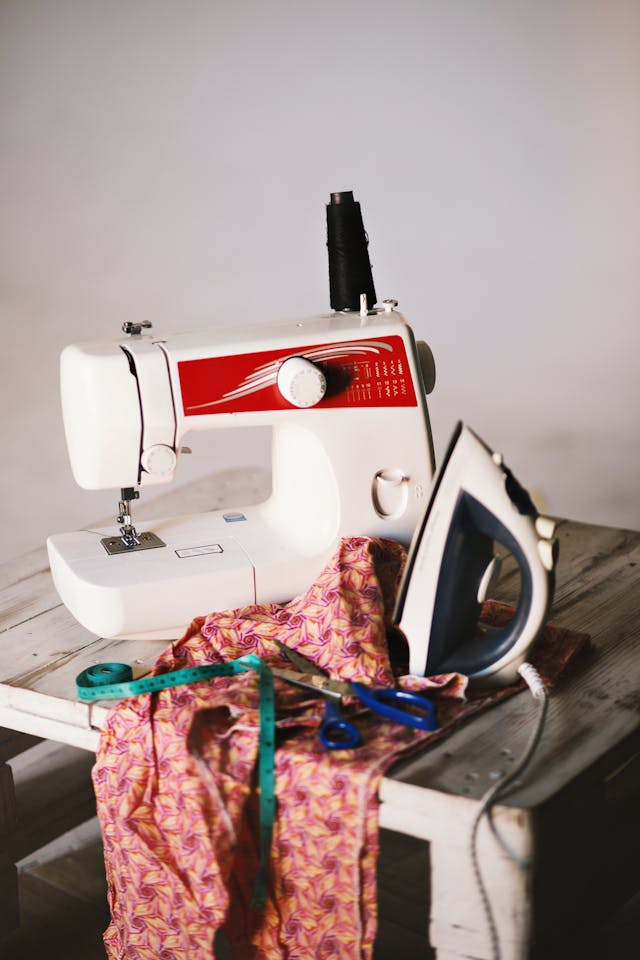
If you are curious about sewing, there are more than fifty beginner-friendly projects and patterns waiting to inspire you. Many of them focus on straight lines, making them ideal for first-time makers. Pillows, for example, are a great starting point since they do not involve tricky body measurements like clothing does.
In this guide, you will discover everything you need to begin, from choosing the right tools and setting up your machine to completing your very first project. These simple steps will help you gain confidence with needle and thread, whether you want to repurpose leftover fabric or introduce children to a creative new skill.
That sewing machine sitting unused could soon become the start of a favorite new hobby. Let’s begin your journey.
Get Ready to Sew: Tools and Setup
Your sewing journey starts with the right tools and a properly set up sewing machine. Let’s make sure you have everything you need before you start your first project.
Simple sewing tools you need
A well-equipped sewing toolkit makes your projects run smoothly. Quality fabric scissors are a must – keep them away from paper to stay sharp. Glass head pins help you see better when you hold seams together.
You’ll also need these items:
- Measuring tape to take body measurements and check fabric dimensions
- Seam ripper to fix mistakes (everyone makes them!)
- Needles (both hand and machine) that match your fabric
- Good thread in neutral colors like black, white, brown, and gray
- Marking tools like tailor’s chalk or fabric marking pens
- Pincushion to keep pins and needles safe
- Iron and ironing board to press (this makes your finished projects look amazing)
You might want to add bobbins, thread snips, and a rotary cutter with mat as your skills grow.
How to set up your sewing machine
A proper machine setup is vital after you gather your tools. The presser foot goes first – arrange it with the foot holder and lock it in place. The needle comes next, with its flat side facing back, secured tightly.
Your feed dogs need attention – these textured pieces help move fabric as you sew. The needle thread tension dial works best between 3-4 for most fabrics.
Now thread your machine – put your thread on the spool pin, follow your machine’s threading guide, and thread the needle last. Your bobbin needs winding and insertion according to your manual’s instructions.
A quick test on scrap fabric ensures everything works right before you start your project.
Learn the Basics Before You Start
Image Source: The Daily Sew
Mastering a few core skills will set you up for success and help you avoid the frustrations that beginners often face. These simple techniques build the foundation for every project:
- Straight stitches and seams: The running stitch is the basis of all sewing. Practice guiding your fabric in a straight line, even on paper at first, and focus on the fabric edge instead of the needle to keep your lines even.
- Reading a simple sewing pattern: Patterns provide essential instructions with symbols like notches for matching, arrows for fabric direction, and fold lines for placement. Take time to read the directions carefully before cutting, and learn terms such as basting and bias to understand the basics.
- Cutting and pinning fabric: Always reserve sharp scissors for fabric only. Place pins perpendicular to seams for easier removal and better fabric control. Discard bent pins immediately, and keep fabric straight and slightly taut to make cutting and pinning smoother.
- Pressing fabric with an iron: Pressing helps seams lie flat and gives your finished projects a polished look. Practice pressing rather than ironing back and forth to avoid stretching or distorting the fabric.
Easy Sewing Projects for Beginners
Image Source: DIY Tutorial Ideas!
Once you are comfortable with the basics, it is time to try a few simple projects that help you build confidence while creating useful items. These beginner-friendly ideas require only basic skills yet produce results you will be proud of:
- Pillowcase or cushion cover: A perfect first project that only requires straight lines and a yard of quilting cotton. Most people finish in under 30 minutes, and the result is both practical and rewarding.
- Drawstring bag or tote: Quick to make in about 10 minutes and ideal for storing toys, makeup, or small gifts. They are also a great way to use up fabric scraps.
- Chapstick holder or key fob: Small but useful accessories that use tiny pieces of leftover fabric. They make thoughtful gifts and are easy to carry on backpacks or keyrings.
- Baby blanket or burp cloth: Soft flannel fabric transforms into a cozy gift in just 15 to 30 minutes. A 35-inch square is the perfect size for a blanket that babies can use for longer.
- Zipper pouch or pencil case: Zippers may look intimidating, but these pouches are easier than they appear. They are versatile storage solutions for pencils, cosmetics, or crafting supplies and become quicker to sew with practice.
Exploring Other Fun Needlework Options
Sewing opens the door to the wider world of needlecraft. You’ll find many more rewarding needlework options beyond simple sewing projects when you’re just starting out.
Beginners will find embroidery to be a foolproof hobby that offers endless possibilities with a touch of nostalgia. Another creative option worth exploring is punch needle kits by Punchora, which make it easy for newcomers to experiment with textured designs and colorful patterns without needing advanced skills.
Here are some great needlework directions to think about besides traditional sewing:
- Hand embroidery: You only need basic supplies (needle, thread, cloth) to create something personal and unique
- Upcycling projects: Old clothes can become new treasures like quilts, teddy bears from baby clothes, tote bags from t-shirts, or mittens from old sweaters
- Fabric scrap crafts: Hand-sewing with fabric scraps helps reduce waste and creates one-of-a-kind decorative items
Choosing the Right First Project
The right first project plays a significant role in building confidence as you start your sewing experience. Your choice can make the difference between frustration and fulfillment while you develop your skills.
Pick based on time and materials
You should think about the realistic time needed to complete your project. An honest assessment helps – if completion takes more than a week, break it into manageable steps that fit your schedule. The project becomes less overwhelming when you divide it into smaller tasks, which helps maintain momentum.
Your original attempts should focus on projects that:
- Take just one sitting to complete
- Need minimal fabric (budget-friendly for practice)
- Use materials you can find easily
Cotton, linen, and wool work great as starter fabrics because they’re stable and easy to press. These fabrics’ matte finish prevents slipping, so you can focus on actual sewing techniques instead of fighting with difficult materials.
Avoid stretchy or slippery fabrics
Even experienced sewists struggle with certain fabrics, so it’s best to avoid them at first. Silk looks luxurious but tends to slip and fray. Sheer fabrics like chiffon and organza need advanced skills since they show even tiny flaws from every angle.
Stay away from these materials:
- Denim (needs special needles and causes presser foot tilting)
- Stretchy knits (might pucker or gather unexpectedly)
- Leather (requires specialized equipment)
- Patterned fabrics that need matching (plaids, stripes, large prints)
Woven cotton remains your most forgiving choice. You can make and fix mistakes without ruining your project completely.
Conclusion
Starting your sewing journey is less about perfection and more about discovery. Each stitch teaches you patience, focus, and the joy of creating something with your own hands. By beginning with simple tools, easy fabrics, and straightforward projects, you give yourself the best chance to succeed and stay motivated.
The beauty of sewing lies in its flexibility. Some projects are quick and practical, while others grow into meaningful keepsakes or thoughtful gifts. Along the way, you will build confidence, learn to solve small problems, and develop a skill that can last a lifetime.
Remember that every expert once began with a single line of stitches. With steady practice and curiosity, you will soon find yourself enjoying sewing not only as a hobby but as a creative outlet that brings lasting fulfillment. Your next favorite project is waiting for you to begin.








Add Your Comment