


Watch collecting is a deeply rewarding hobby—one that sits at the intersection of craftsmanship appreciation, personal expression, and long-term investment potential. For newcomers, a well-chosen timepiece does more than tell time; it becomes a versatile accessory capable of elevating both casual and formal looks. Brands like Tudor offer genuinely approachable entry points for those ready to step into higher-quality territory—it’s worth taking the time to shop tudor watches through reputable retailers to find reliable selections. Rather than buying on impulse, building a thoughtful collection means keeping long-term value, wearability, and genuine enjoyment front of mind from the very first purchase.
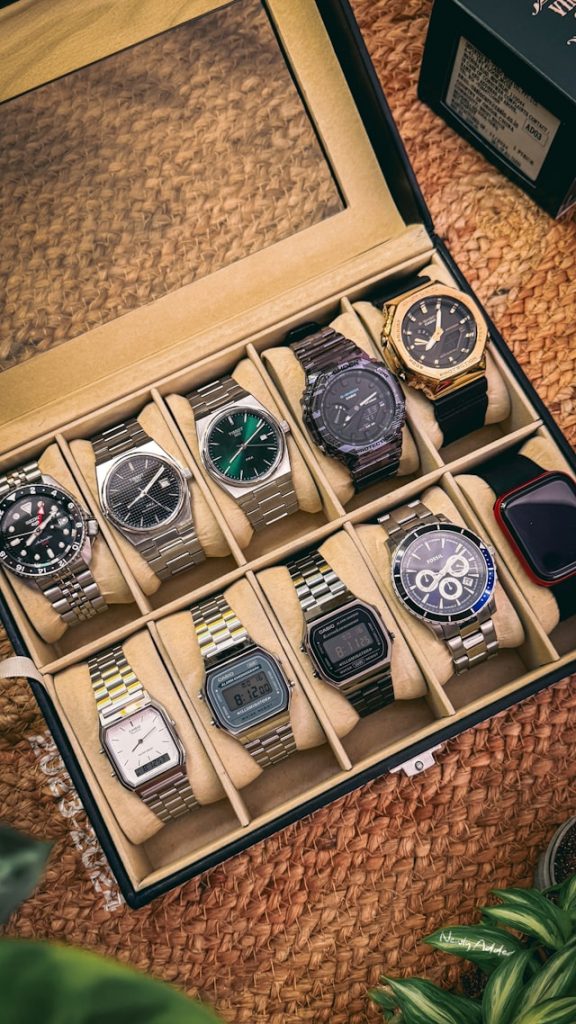
Understanding Watch Movements: The Heart of Your Collection
The movement—or caliber—is essentially the engine inside any watch, and understanding it is foundational for every collector. Three core types define the market:
|
Type |
Maintenance Needs |
Price Range |
Best For
|
|
Quartz |
Battery replacement every 1–3 years |
$50–$500 |
Daily reliability |
|
Mechanical (Manual) |
Service every 3–5 years |
$300–$5,000+ |
Craftsmanship appreciation |
|
Automatic |
Service every 3–5 years |
$300–$10,000+ |
Everyday luxury wear |
Quartz movements run on battery power, delivering exceptional accuracy with minimal upkeep—which makes them a natural starting point for beginners. Mechanical movements require manual winding and tend to appeal to collectors who genuinely value horological artistry. Automatic movements split the difference, self-winding through natural wrist motion and blending everyday convenience with that same craftsmanship appeal.
Key Takeaway: Choose quartz for daily drivers; save mechanical for special occasions.
Setting a Realistic Budget and First Purchases
Establishing a clear budget from the outset prevents overspending and builds the kind of long-term discipline that separates thoughtful collectors from impulsive ones. Entry-level pieces under $500 offer solid quality for everyday wear, while the $1,000–$5,000 range opens the door to entry-level luxury. One of the smartest moves a beginner can make is exploring pre-owned value—authenticated second-hand watches routinely provide access to premium models at significantly reduced prices. From there, prioritize versatile pieces that transition comfortably across different settings: a clean-dialed everyday watch, a sport-ready option, and a minimalist dress style together form a well-rounded foundation.
Choosing Iconic Styles and Themes
Defining a personal aesthetic early on helps create a cohesive, intentional collection rather than a scattered assortment of impulse buys. A few core style categories are worth knowing:
- Diver watches: Water-resistant with luminous markers for reliable low-light readability
- Chronographs: Feature stopwatch functionality suited to both sport and dress occasions
- Field watches: Rugged, highly legible dials rooted in military heritage
- Dress watches: Slim profiles with clean dials designed for formal settings
Timeless designs tend to share certain traits: neutral dials, durable cases, and interchangeable straps that adapt across outfits without much effort. Tip: Match watch style to wardrobe—pair divers with casual outfits and dress watches with tailored clothing.
Essential Tools and Maintenance for Longevity
Caring for a collection properly extends both the life and the value of every piece in it. Beginners would do well to assemble a basic toolkit early:
- Watch box: Protects pieces from dust and scratches during storage
- Soft cleaning cloth: Removes fingerprints and surface debris without causing damage
- Spring bar tool: Enables strap changes without needing professional help
- Loupe: Magnifies dial and case details for close inspection
Beyond the toolkit, routine habits matter just as much. Clean cases regularly, keep watches well away from strong magnets, and schedule professional servicing at the intervals your manufacturer recommends. When purchasing any piece, always verify serial numbers and request original documentation to confirm authenticity—this is non-negotiable.
Building and Expanding Your Collection Thoughtfully
Sustainable growth starts small. Begin with two or three versatile pieces, then expand based on occasion or theme once your personal preferences come into sharper focus. A realistic beginner scenario might look like this: start with a reliable everyday watch, then add a weekend diver after six months of wearing and learning. Resist the temptation to chase short-lived trends or prioritize rarity over condition in the early stages—a well-preserved piece will consistently outperform a rare but worn example, both in enjoyment and resale value.
Key Takeaway: Focus on enjoyment and fit, not quantity.
Reflecting on Your Journey in Watch Collecting
Building a watch collection is, at its core, a personal journey through precision engineering and meaningful milestones. By defining your style early, understanding how movements work, setting a realistic budget, and maintaining your pieces properly, you create something that grows in both value and personal significance over time. Ongoing education through collector communities, reference books, and hands-on exploration only deepens that appreciation. Start small, stay curious, and let each addition tell its own story. Take stock of your current watches today, and start planning your next thoughtful addition.











Add Your Comment