


Children who enjoy constant movement need clothing that supports energy, curiosity, and daily challenges. Active boys often run, jump, climb, and explore without pause. Their clothing faces regular pulling, stretching, and frequent washing. Choosing the right outfits requires attention to fabric strength, fit quality, and long-term use. Parents who understand durability can reduce frequent replacements and ensure children stay protected during play. Strong clothing choices also support confidence, allowing boys to focus on fun rather than restrictions.
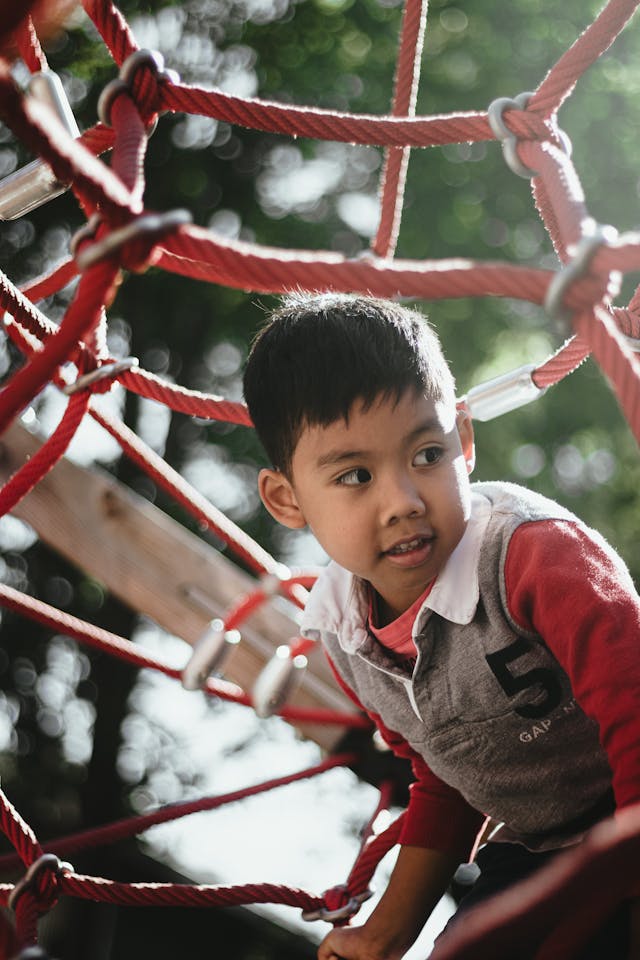
Durable children’s clothing is not only about toughness but also about balance. Clothes should remain gentle on the skin while handling daily wear. Smart selection helps parents save time, money, and effort. With careful observation and informed choices, it becomes easier to build a wardrobe that lasts through growth and movement.
Evaluating Fabric Strength and Material Longevity
Fabric strength plays a major role in how long children’s clothes remain usable. Materials with tight weaving resist tearing and thinning over time. Natural blends with added reinforcement often perform well during active use. While appearance matters, strength should guide the choice first. In one helpful example, many parents explore quality guides shared by kidsito.com when learning how durable fabrics support long-lasting wear for active boys.
Strong fabric also holds its shape after repeated washing. This keeps clothing looking neat while maintaining comfort. Parents benefit when garments keep their structure instead of sagging or fading quickly.
Identifying High-Stitch Quality and Seam Integrity
Stitching holds the entire garment together and deserves careful attention. A short overview explains why this detail matters greatly for active wear.
- Tight Thread Patterns: Help seams stay intact during bending, stretching, and frequent energetic movement.
- Reinforced Joint Areas: Prevent early tearing near knees, shoulders, and elbows.
- Even Stitch Spacing: Improves garment balance and reduces stress points during play.
- Secure Hem Finishing: Limits fraying after repeated washing cycles.
- Double Layer Seams: Provide added support for rough outdoor activities.
Quality stitching often separates long-lasting clothing from items that fail early.
Why Proper Fit is Essential for Reducing Fabric Stress
Proper fit ensures children can move freely without placing stress on the fabric. Clothes that are too tight pull at seams, while loose items snag easily. Balanced sizing allows comfort and durability to work together.
Fit should allow bending, squatting, and stretching without resistance. Waist-bands, sleeves, and leg openings should sit naturally without pressure. When fit supports motion, clothes last longer and children remain comfortable throughout the day.
Best Practices for Wash Care and Maintenance
Daily use means frequent cleaning, so wash care matters. A brief introduction highlights how care habits affect durability.
- Gentle Cycles: Protect fabric fibers from early breakdown and surface thinning.
- Inside-Out Washing: Reduces fading caused by friction during cleaning.
- Mild Detergents: Preserves color softness and structural integrity over time.
- Low Heat Settings: Prevents shrinking and weakened thread connections.
- Air Drying: Supports shape retention and reduces stress on elastic parts.
Good care habits extend clothing life and preserve its original quality.
Adapting Playwear for Weather and Moisture Control
Active boys spend time across different conditions, so clothing should adapt well. Durable outfits manage warmth, airflow, and moisture control. Layer-friendly designs allow adjustment without strain on the fabric.
Breathable materials help regulate body temperature during movement. Water-resistant surfaces add protection during damp play. Adaptable clothing reduces the need for multiple outfit changes while staying resilient.
Strategic Use of Reinforced Areas in Activewear
Certain garment areas face higher stress and require extra attention. This short overview explains why reinforcement matters.
- Knee Panels: Protect trousers from frequent ground contact during crawling, sliding, and play.
- Elbow Sections: Resist wear from leaning, climbing, and floor activities.
- Durable Cuffs: Reduce tearing from repeated pulling and shoe contact.
- Structured Waistbands: Support movement without loosening over time.
- Shoulder Support: Maintains shape while carrying bags or active arm motion.
Reinforcement improves garment lifespan without sacrificing comfort.
Prioritizing Material Safety and Skin Protection
Safety remains essential alongside durability. Clothing should avoid harsh finishes and rough textures. Soft inner surfaces protect skin during extended wear.
Safe materials reduce irritation even during sweat or long play hours. Breathable fibers support airflow and hygiene. Durable does not mean heavy or stiff, but balanced and gentle.
Conclusion: Making a Smart Selection for Active Lifestyles
Choosing durable children’s clothes requires thoughtful review rather than quick purchase. Parents benefit from checking fabric labels, testing stretch, and reviewing construction quality. Value comes from longevity, not just price. Resources like kidsito.com often help parents understand how quality materials fit care and reinforcement work together. By selecting wisely, families reduce waste, ensure comfort, and support active lifestyles with clothing that truly lasts.










Add Your Comment