


Have you ever wondered what it truly feels like to stand in a place that changed the course of human history? Visiting the Auschwitz-Birkenau Memorial and Museum is a profoundly moving experience that leaves a lasting impact on every visitor.
While the historical weight of the site is undeniable, navigating the entry process requires careful attention. Between strict visitor caps and the high demand for guided tours, entry isn’t always guaranteed for those who arrive without a plan.
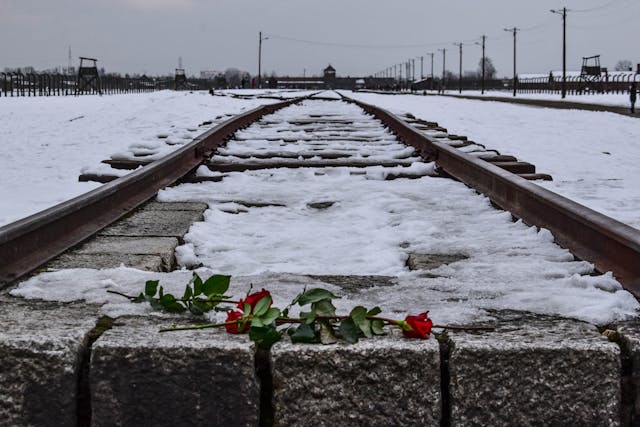
Understanding the logistics is essential to ensuring your visit is respectful and well-timed. This guide helps you navigate the booking details smoothly so you can focus on the experience itself.
1. Why Early Booking is Non-Negotiable
The museum operates under strict daily capacities to maintain a quiet, respectful atmosphere and to preserve the site’s integrity. Because of this, entry slots—especially those in English—often sell out weeks or even months in advance.
“Showing up and hoping for the best” is no longer a viable strategy in Oświęcim. By securing a date and time well before leaving home, travelers protect their itinerary and avoid the heartbreak of arriving at the gates only to be turned away. Planning ahead also allows visitors to choose morning slots, which generally offer a more contemplative environment before the midday crowds arrive. This proactive approach is the most effective way to ensure that a busy travel schedule isn’t derailed by administrative hurdles.
2. Choosing the Best Way to Experience the Site
There are several ways to walk through the grounds of the former camps, but the right choice depends on how much context a visitor wants. While self-guided entry is possible during specific hours, most travelers find that an educator-led visit provides the depth necessary to understand the vast scale of the history here.
Managing the logistics of transport from nearby cities like Krakow while also trying to coordinate museum time slots can be a headache for families. Many find that the most seamless approach is to book comprehensive Auschwitz tours that handle both the transportation and the official entry requirements in one package. Utilizing trusted platforms like Tickets&Tours allows visitors to bypass the confusion of local bus schedules and multiple booking sites, ensuring the entire journey is organized and respectful from start to finish. Such a centralized booking service provides a reliable safety net for travelers who may find the official government portals difficult to navigate or fully booked.
3. Essential Tips for a Respectful Visit
Visiting a memorial site requires a different mindset than typical sightseeing. To ensure a smooth entry, keep these practical tips in mind:
- The ID Check: Tickets are strictly personalized. Every member of the group must carry a valid passport or national ID that matches the name printed on their ticket.
- Bag Restrictions: Only very small bags (roughly the size of an A4 sheet of paper) are permitted inside. Larger backpacks must be left in a paid luggage storage area or on the tour bus.
- Dress Code: Out of respect for the victims, visitors are asked to wear modest clothing that covers shoulders and knees.
- Weather Readiness: Much of the visit takes place outdoors across the vast fields of Birkenau. Comfortable walking shoes and weather-appropriate layers are essential for staying focused on the tour.
Following these tips helps keep the focus on honoring the memory of those who were here. Taking these small steps avoids problems at the gate and keeps the experience solemn.
4. Getting to Oświęcim from Krakow
Most visitors use Krakow as their home base. The journey takes approximately 90 minutes. While local trains and buses are available, they require careful timing to match a specific museum entry window.
For beginner travelers or those going with family, a pre-arranged shuttle or a guided tour with door-to-door service is often the most reliable way to ensure punctuality. Relying on private transport also eliminates the stress of navigating foreign transit maps or dealing with unexpected delays on public lines. It allows the group to travel together in a quiet space, providing time for mental preparation before reaching the memorial grounds.
Final Thoughts
A visit to Auschwitz-Birkenau is an unforgettable lesson in history that stays with a person long after they return home. By handling the booking details and transportation well in advance, travelers can arrive with a clear mind, ready to pay their respects and absorb the profound significance of the site. Proper planning isn’t just about convenience—it’s about ensuring that nothing distracts from the importance of the memorial itself. Taking these small steps allows you to fully engage with the stories of the past and the lessons they hold for the future.











Add Your Comment