


Children with communication and social skills delays find pediatric therapy a great help. These skill sets help a child develop and know what it feels like to be in relationships with others and are also crucial for learning. Early intervention from the professionals can help. With assistance, kids can communicate and associate with confidence.
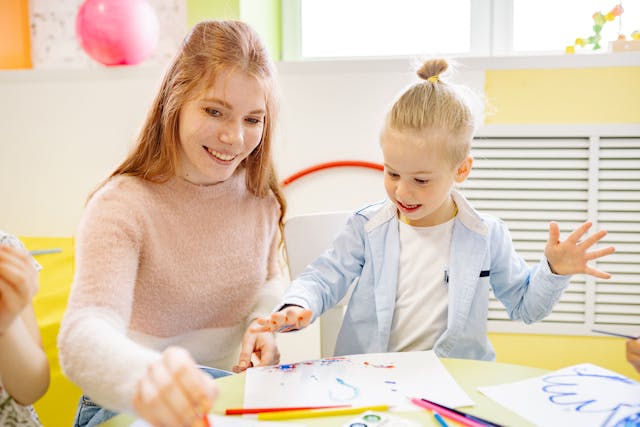
The Importance of Early Support
Children learn best during their formative years. Pediatric autism therapy in Florissant at an early age helps shape habits and responses that are less likely to change during the vital formative years, whether still a child or pre-adolescent, as it is easier to develop skills when the person experiencing the problem is very young. Therapists can help children experiment with new ways of interacting. This foundation often results in more favorable long-term social and communication developmental outcomes.
Communication Challenges in Children
Many kids struggle with communication, either being unable to express themselves well or really understanding what others are saying. These may be due to developmental delays, speech disorders, or emotional variation. Children may have difficulty being able to share needs, feelings, or ideas without help. Therapy offers a structure to work on this. There are differences in verbal communication and in non-verbal communication within families.
Therapeutic Approaches for Communication
To help children communicate better, therapists use different ways of engaging them to talk. You can mix it with fun play and other activities to keep young minds engaged with practice. Visuals capture the attention of children and engage them in understanding new concepts, while storytelling helps them build vocabulary and comprehension.
Building Social Connections
Social skills are not just about talking. Children need to learn how to listen, share, and read other people’s signals. Most play therapy has group play or partner play during a session. Such experiences also help children learn to cooperate, to take turns, and to negotiate when there are conflicts. Using role-play allows children to practice scenarios in a non-threatening environment. As a result, children start to feel more confident in the social world.
Family Involvement in Therapy
Family participation is often the key to success for pediatric autism therapy in Florissant. The intermediate steps support parents and caregivers in reiterating these skills at home. Basic steps, like reading together or practicing hellos, are so valuable. These professionals provide guidance and support for families to help maintain lasting change. The child benefits from having the same practices across settings. And this collaboration creates an atmosphere of caring so families can grow together.
Benefits Beyond Communication
There’s more to therapy than just talking and listening. Guided interactions help children learn important skills such as problem-solving, being patient, and having compassion for others. These characteristics aid them in school and relationships. Improving communication also reduces confusion and frustrations. Peers are more likely to connect with children when they feel seen. This positive feedback loop incites more learning and growth.
Overcoming Setbacks
It is not always clear progress in therapy. Kids will have some failures logged along the way. Therapists alter their approach to the ever-evolving. The challenging times are when they need the most encouragement and patience. It reinvigorates both you and your child by teaching them that they are making progress.
Collaborative Efforts with Educators
Therapists frequently speak with teachers and other school personnel. By sharing knowledge, children can get a consistent experience in various settings. Teachers receive tools to help children practice their skills in classroom settings. Cooperation assists in identifying further requirements as well as progress. Working together creates a stronger safety net for each of the children.
Conclusion
Pediatric therapy is excellent for children struggling with social, communication, and other similar concerns. It includes early intervention, the involvement of families around supportive therapy for homeschooled children, and customized techniques. Children develop confidence and independence with guided practice. It applies to all types of situations that promote a life of continual learning and significant connections.










Add Your Comment