


Children rely heavily on their vision for learning, development, and everyday activities. From reading in the classroom to playing sports or interacting with friends, clear vision plays a key role in how children experience the world around them.
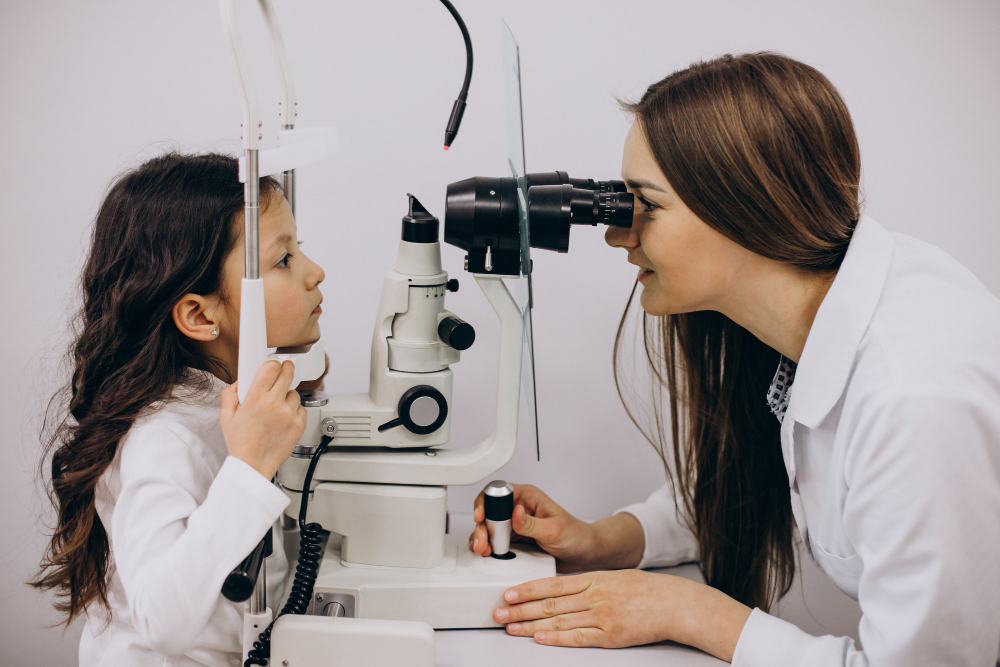
However, many vision problems can develop during childhood and may go unnoticed if they are not properly evaluated. Why? Because children may not always recognize or communicate vision difficulties, routine eye care becomes especially important. That’s why early diagnosis and treatment can help prevent minor issues from developing into long-term vision problems.
So without further ado, let’s explore how pediatric eye specialists help protect and support children’s vision as they grow.
Why Children Need Specialized Eye Care
Children’s eyes develop differently from adults, which is why specialized pediatric eye care is essential. During the early years of life in Queens, the visual system continues to mature, and proper alignment and focus are necessary for healthy development.
Pediatric eye specialists are trained to evaluate vision problems that specifically affect children. They also understand how vision problems can influence learning, reading ability, and overall development. By identifying these issues early, doctors can recommend treatments that help children develop healthy vision habits.
Common Vision Problems in Children
Several eye conditions commonly appear during childhood. These issues can affect how children see objects, read text, or focus on tasks in school.
One of the most common conditions is myopia, also known as nearsightedness. Children with myopia may struggle to see distant objects clearly, such as classroom boards or signs.
Another condition is hyperopia, or farsightedness, which makes it difficult to focus on nearby objects. Astigmatism, caused by an irregular curvature of the eye, can lead to blurred vision at multiple distances.
Other pediatric eye conditions include amblyopia, commonly called a lazy eye, and strabismus, in which the eyes do not align properly.
The Importance of Early Eye Exams
Regular eye exams are one of the most effective ways to identify vision problems before they begin affecting a child’s daily life. Pediatric eye exams allow specialists to monitor vision development and detect potential concerns early.
Parents may consider consulting a pediatric eye specialist in Queens when their child shows signs of vision difficulties or when routine screenings suggest a potential issue. Eye care providers who focus on pediatric patients often perform comprehensive exams that evaluate visual acuity, eye alignment, and overall eye health.
That’s not all! Clinics such as The Pediatric Eye Center focus on providing specialized care for children with vision concerns. Their services often include comprehensive pediatric eye exams, evaluation of conditions such as strabismus and amblyopia, and treatment plans designed to support long-term visual development.
This helps ensure that vision problems are identified and addressed before they interfere with school performance or daily activities.
Treatment Options for Pediatric Vision Conditions
Treatment for pediatric eye conditions depends on the specific issue affecting the child’s vision. In many cases, corrective lenses such as glasses can help improve focus and visual clarity.
For children with amblyopia, doctors may recommend eye patching therapy to strengthen the weaker eye. Vision therapy exercises can also help improve coordination between the eyes.
In some situations, surgical procedures may be necessary to correct eye alignment or structural problems. Pediatric eye specialists carefully evaluate each case to determine the most appropriate treatment plan.
Helping Children Adapt to Vision Correction
When children receive glasses or other forms of vision correction, it may take time for them to adjust. Parents play an important role in encouraging children to wear their glasses consistently and follow the recommended treatment plan.
Helping children choose comfortable frames and explaining how glasses improve vision can make the adjustment easier. Positive reinforcement can also help children develop confidence in wearing corrective lenses.
Regular follow-up visits allow doctors to monitor progress and make adjustments if needed.
Supporting Eye Health at Home
Parents can also support their child’s eye health by encouraging healthy habits at home. Limiting excessive screen time is one important step, as prolonged screen use can strain developing eyes.
Encouraging outdoor activities has been associated with healthier vision development in children. Additionally, ensuring proper lighting when reading or studying can reduce eye strain.
A balanced diet rich in nutrients such as vitamin A, omega-3 fatty acids, and leafy greens can also support healthy vision.
Conclusion
Protecting a child’s vision is an important part of supporting their overall health and development. Vision plays a crucial role in learning, communication, and everyday activities, making early eye care essential. By recognizing warning signs, scheduling regular eye exams, and seeking specialized care when needed, parents can help ensure their children develop healthy vision that supports their growth and success.









Add Your Comment