


Most people dealing with hair fall start by changing how often they wash their hair. Some wash less, thinking they’re protecting their scalp. Others wash more, hoping to keep things clean. But here’s the thing — washing frequency rarely causes hair fall on its own, and it almost never fixes it. The real question isn’t just how often you should wash, but what your scalp actually needs.
Does Washing Your Hair Too Often Cause Hair Fall?
This is one of the most common concerns, and the short answer is: not directly. Washing removes loose hairs that have already completed their growth cycle and were ready to fall anyway. Seeing them in the drain can feel alarming, but those strands were already done.
That said, overwashing can be a problem for some people. If you’re washing daily with a harsh, sulfate-heavy shampoo, you may be stripping the scalp of its natural oils. This can lead to dryness, irritation, and a compromised scalp barrier — conditions that, over time, can weaken hair roots and contribute to shedding.
Does Washing Too Rarely Cause Hair Fall?
Under-washing has its own set of problems. When you go too long between washes, sebum, sweat, dead skin cells, and product residue build up on the scalp. This creates an environment where fungal activity increases, which is a leading trigger for dandruff and scalp inflammation.
Scalp inflammation is a real and underappreciated cause of hair fall. When the follicle environment is consistently inflamed or congested, hair growth is disrupted at the root level. You may not see obvious flaking or itching, but chronic low-grade scalp irritation quietly weakens hair over time.
So What’s the Right Frequency?
There’s no universal answer, but there are useful guidelines based on scalp type:
- Oily scalp: Washing every 1–2 days is generally fine and often necessary to prevent buildup
- Normal scalp: Every 2–3 days works well for most people
- Dry or sensitive scalp: 2–3 times a week, using a gentle, moisturizing shampoo
- Dandruff-prone scalp: Frequent washing with an anti-fungal or medicated shampoo is often recommended
The key is reading your scalp, not following a fixed rule. If your scalp feels itchy, greasy, or you’re noticing flakes after skipping a wash, that’s your signal to wash sooner. If it feels dry and tight after washing, you may be overdoing it or using the wrong product.
What Actually Causes Hair Fall — And Why Washing Gets the Blame
Hair fall is mostly driven by internal factors, not external habits. The most common causes include:
- Hormonal imbalances, particularly dihydrotestosterone (DHT), which miniaturizes hair follicles over time
- Nutritional deficiencies — iron, ferritin, vitamin D, and zinc are the usual suspects
- Chronic stress, which pushes a large number of follicles into the resting phase simultaneously
- Thyroid dysfunction, which disrupts the normal hair growth cycle
- Scalp conditions like seborrheic dermatitis or fungal infections that damage follicle health
Washing frequency sits at the surface. These factors operate much deeper. When people switch up their wash routine and notice less shedding, it’s often because they changed their shampoo (reducing scalp irritation) or improved scalp hygiene (reducing inflammation) — not because they found a magic number of washes.
How to Wash Hair Without Making Things Worse
If you’re already dealing with hair fall, here’s how to be gentler with your routine:
- Use lukewarm water, not hot — heat dehydrates the scalp and weakens hair fibers
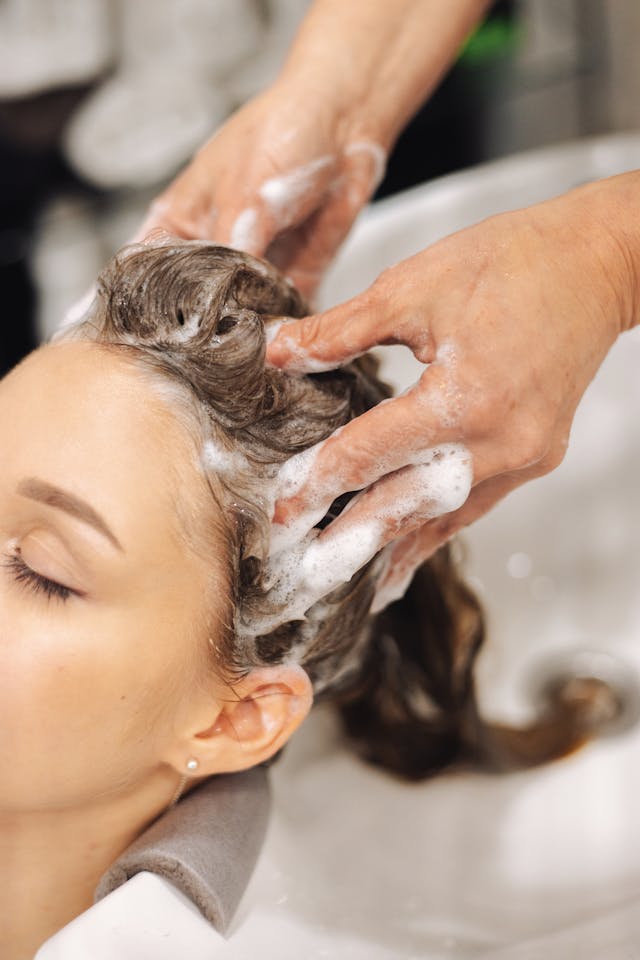
- Massage the shampoo into your scalp, not the lengths of your hair
- Don’t scrub aggressively; gentle circular motion is enough
- Condition from mid-length to ends, not the scalp
- Pat dry with a soft towel rather than rubbing
- Avoid heat styling on days you wash, when hair is at its most vulnerable
Final Thoughts
Washing your hair the right amount for your scalp type matters, but it’s a small piece of a larger picture. If your hair fall is persistent — meaning you’re losing more than 100 strands daily for weeks — it’s worth looking beyond your shower routine.
Approaches like Traya focus on understanding the root cause of hair loss through a combination of health analysis and targeted treatment rather than surface-level fixes. That kind of thinking — getting to why it’s happening before deciding what to do — is usually what makes the difference between temporary improvement and real results.











Add Your Comment