


Fitness often carries the image of individual workouts, gym memberships, and personal discipline. Yet for families, health and activity can become something much more engaging when approached as a collective effort. Turning family fitness into a team sport not only benefits physical well-being but also strengthens emotional bonds and creates lasting memories. By framing exercise as playful, competitive, and cooperative, parents and children can enjoy a lifestyle that blends fun with wellness.
Building Team Spirit At Home
The first step in transforming fitness into a team activity is adopting a shared mindset. Instead of one person leading while others follow, the family can function like a sports team with each member playing a role. Parents may set the schedule, children bring the energy, and together they agree on goals that keep everyone motivated.
Gamifying these routines adds another layer of excitement. Step challenges, points for completing activities, or weekly obstacle courses can make movement something to look forward to rather than a chore. The aim is to inspire enthusiasm and participation, not perfection. Much like a rollx game, every round offers a chance to reset, improve, and celebrate effort rather than focusing solely on winning. This dynamic helps children learn resilience while encouraging adults to rediscover joy in physical play.
Creative Ways Families Compete And Collaborate
Fitness becomes more sustainable when it is varied and engaging. Families can explore countless activities that mix teamwork and competition. Backyard games such as relay races, tug-of-war, or scavenger hunts bring high energy with minimal equipment. Weekend hikes allow everyone to share the challenge of reaching a summit, turning the journey itself into a shared victory.
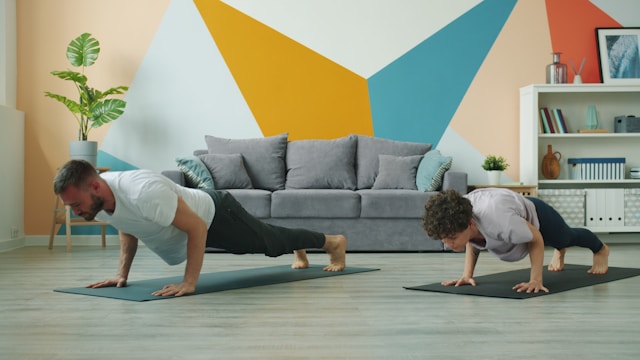
Indoor spaces also provide opportunities. Living room yoga sessions, dance-offs, or even simple stretching routines can be framed as fun challenges. Technology can enhance participation as well, with fitness apps and trackers encouraging members to compare results in a friendly way. By blending cooperation and competition, families strike a balance that keeps every member engaged regardless of age or fitness level.
What matters most is consistency. Short but frequent bursts of activity are more effective for building habits than occasional long workouts. When families treat these moments as team practices rather than obligations, they build both routine and resilience.
Teaching Life Lessons Through Fitness
When families adopt fitness as a shared pursuit, the benefits extend far beyond health. Children learn values such as teamwork, perseverance, and accountability. Just as sports teams teach athletes to support one another, family fitness encourages empathy and encouragement among siblings and parents.
The lessons are subtle but powerful. A child who cheers for a sibling finishing a run is learning compassion. A parent who completes a challenging exercise despite fatigue models resilience. These lessons, repeated over time, build a foundation that strengthens not only physical health but also mental and emotional growth.
Furthermore, parents who join in the activities demonstrate that fitness is not an isolated responsibility but a collective one. Children are far more likely to embrace healthy routines when they see adults living by the same values. By acting as role models, parents transform fitness into a shared family culture rather than an individual task.
Community Connections And Broader Impact
Family fitness can extend beyond the home, creating opportunities for community involvement. Local fun runs, charity walks, or family sports days bring households together in larger groups, amplifying the sense of teamwork. Competing as a family unit in these events reinforces pride and belonging while introducing children to the wider community spirit of sport.
Neighbourhood groups can also organise informal leagues or weekend activities. Whether it’s kickball in the park or group cycling outings, these events show families that health can be a collective celebration. The connections made through these experiences often last long after the event ends, fostering social ties that strengthen the family’s place in the community.
These wider connections highlight how personal wellness feeds into societal wellness. A family that stays active together contributes to a healthier community overall. By modelling positive behaviour, they encourage others to adopt similar approaches, multiplying the benefits across neighbourhoods and schools.
Conclusion
When families treat fitness as a team sport, they unlock a unique blend of health, fun, and unity. By gamifying routines, embracing creativity, and encouraging one another, they create a dynamic where exercise becomes more than a responsibility. It becomes a shared adventure.
The physical benefits are obvious, but the emotional rewards are equally important. Families learn to support, challenge, and celebrate together, creating habits and memories that extend into everyday life. By bringing play into fitness and treating health as a collective mission, families can strengthen both their bodies and their bonds. In this game, every effort counts, and every participant is already a champion.









Add Your Comment