


Early health checks give children a strong start. When issues are flagged sooner, care can begin before small problems grow into bigger ones.
Families, schools, and clinics all play a role. With the right tools and access, kids can get timely help that fits their stage of growth.
Why Early Diagnostics Matter
Children grow fast, and their bodies change quickly. Detecting issues early means treatments can be simpler and less invasive.
Early information also reduces uncertainty for families. It helps them plan next steps, understand options, and track progress.
Pediatric care teams can act on findings right away. That often means shorter waits, fewer complications, and more days in school or play.
A national cancer resource noted that in 2024, about 14,910 U.S. children and adolescents were expected to be diagnosed with cancer, with an estimated 1,590 deaths, reminding us that timely detection can influence care choices and support.
From Newborn Screens To School-Age Checks
Screening starts early and continues through childhood. Newborn tests, hearing screens, and vision checks are common across many health systems.
A U.S. oversight report found that about 1 in 500 infants is identified as deaf or hard of hearing, highlighting why universal newborn hearing screening matters for speech and learning.
These checks are designed to be quick and family-friendly. They aim to catch concerns before they affect development or school readiness.
Many families ask what routine checks cover – typical programs include:
- Newborn bloodspot tests and hearing screens
- Growth, nutrition, and vision assessments
- Oral health, mental health, and developmental milestones
Imaging And Lab Tests That Fit Childhood Needs
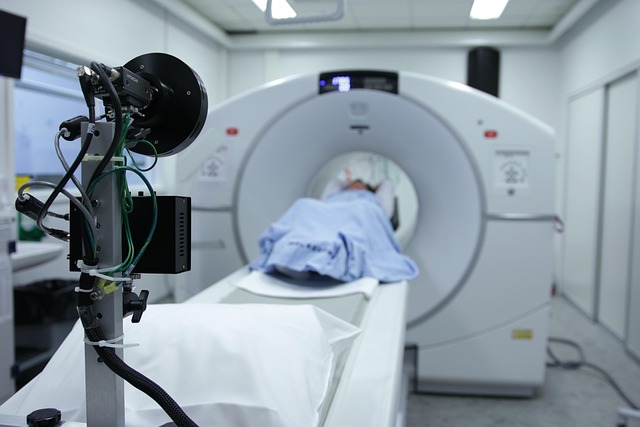
Some questions need pictures or lab data to answer clearly. Imaging, blood tests, and urine tests can confirm or rule out concerns.
Parents in the northern Gold Coast often look for services close to home, and many find that Qscan imaging in Upper Coomera or similar options helps reduce travel and time away from school or work. Timely booking and child-friendly rooms can make the day go smoother. When kids feel safe, tests are faster, and results are more reliable.
Child-focused teams use age-appropriate explanations. Playful language and simple steps help children stay calm and still.
Clear preparation matters. Short guides, pictures, and practice can reduce anxiety and improve image quality.
Access And Equity In Community Diagnostics
Access often decides outcomes. When services are nearby and affordable, families are more likely to follow through.
Flexible hours matter for working parents. Evening or weekend options can limit missed shifts and appointments.
Transport can be a barrier. Clinics that are reachable by public transit or within a short drive cut no-shows and delays.
Culturally safe care is key. Staff who listen, use interpreters, and respect family preferences build trust and improve follow-up.
Catching Cancer Earlier Improves Care Paths
Early cancer detection can change the care journey. It can open doors to less intensive therapy and fewer side effects.
Global experts note that survival exceeds 80% for children with cancer in many high-income countries, while it is below 30% in many low- and middle-income countries, showing how access to timely diagnosis and treatment shapes outcomes.
Primary care and community imaging can spot red flags sooner. That includes persistent fevers, unusual lumps, or unexplained fatigue.
When concerns arise, clear referral pathways help. Coordinated handoffs reduce the time from first suspicion to specialist review.
Partnering With Families And Schools
Parents, carers, and teachers see children every day. Their observations provide early clues that screening alone can miss.
Simple tools make this easier. Short checklists and symptom diaries help track patterns over days or weeks.
Communication is the glue. Consistent updates between clinics and schools keep support consistent across home, classroom, and care.
For busy families, quick wins help keep momentum. Consider:
- One-page summaries of results and next steps
- Text reminders for follow-ups and vaccines
- A shared folder for school forms and care plans
Making Tests Child-Friendly
Kids cooperate better when they know what to expect. Brief walk-throughs and practice breaths can prepare them for imaging.
Distraction works. Storybooks, bubbles, or a favorite song can help a child stay calm and still during exams.
Comfort counts. Warm blankets, small needles, and numbing cream reduce fear and pain.
Parents are partners. When they are nearby and informed, children feel safer, and tests go more smoothly.
It takes a village to support children’s health. When families, schools, and clinics coordinate, early diagnostics become a bridge to timely care.
Small steps add up. With access, communication, and child-friendly processes, more children get answers sooner and return to learning and play.










Add Your Comment