


Hearing loss may often remain invisible to children, but it does still affect them. It does not matter if it’s living with hearing loss themselves or growing up alongside parents who face this difficulty. Understanding these dynamics not only builds empathy but also helps parents and communities in creating effective support systems.
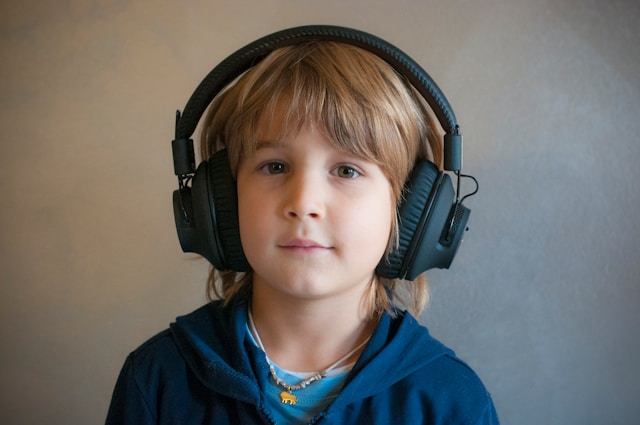
Photo by Matteo Discardi on Unsplash
Living with Parents Who Have Hearing Loss
As kids develop alongside their parents who are hard of hearing, they frequently take on different roles within the family unit. These roles might involve acting as interpreters in social situations, repeating or paraphrasing conversations or advocating for their parents in various settings. On one hand, this experience builds responsibility and empathy. But on the other hand, it can present unique challenges. Kids can feel frustrated when communication barriers prevent them from communicating effectively, leading to misinterpretation and mismatched expectations from the parent and child. These difficulties could cause kids difficulty with self-expression balancing with patience for their normal development needs. However, strategies like visual cues, sign language that are learned together or technology such as hearing aids or captioning services can alleviate such difficulties significantly and strengthen the parent-child bonds.
When Kids Have Hearing Loss
When kids experience hearing loss, the challenges become particularly scary. Early diagnosis and intervention become important elements in the care. Parents become advocates for their child with hearing loss to make sure that they have access to education, therapies and technologies to meet their auditory needs. Kids can experience social isolation or difficulty connecting with other kids due to their hearing loss. Encouraging inclusive activities, providing education on hearing loss in schools and creating a network of support are ways you can help your kids excel socially and emotionally. These devices help kids bridge the communication gap more easily. Pediatric hearing technology has come a long way over time and gives kids with hearing loss support and resources that allow them to lead fulfilling lives. Parents of kids with hearing loss often worry about the future, wondering whether they will face more obstacles when learning or choosing a career. While these concerns are valid, countless success stories show that with proper resources and determination kids with hearing loss can live fulfilling and impactful lives.
The Role of Communication
Communication is at the core of family life for those experiencing hearing loss, from parents and their kids too. Effective dialogue gives clarity while strengthening relationships. Families can empower themselves by creating communication-friendly environments. This can be to make sure that eye contact is held during conversations, limiting background noise levels or using apps and tools designed to help auditory challenges. You can also look at learning sign language as a family to turn an obstacle into an opportunity for bonding. Knowing everyone is working together towards building bridges of understanding builds togetherness and resilience in all.
Conclusion
Hearing loss affects parents and kids, creating challenges and opportunities for the families involved. Understanding and empathy are very important in successfully managing this dynamic for families in this situation. With advances in technology and a focus on inclusivity, hearing loss barriers are becoming easier to overcome. Family is about creating stronger, trusting relationships than transcending the limitations of sound.










Add Your Comment