


Sunny Redlands provides plenty of warmth and light, but that same sunlight can make facial muscles work harder. Frequent squinting against bright light can strengthen the muscles between the brows, which may lead to deeper lines over time. People who live in sunnier climates like Redlands often need slightly more Botox to relax their facial muscles effectively.
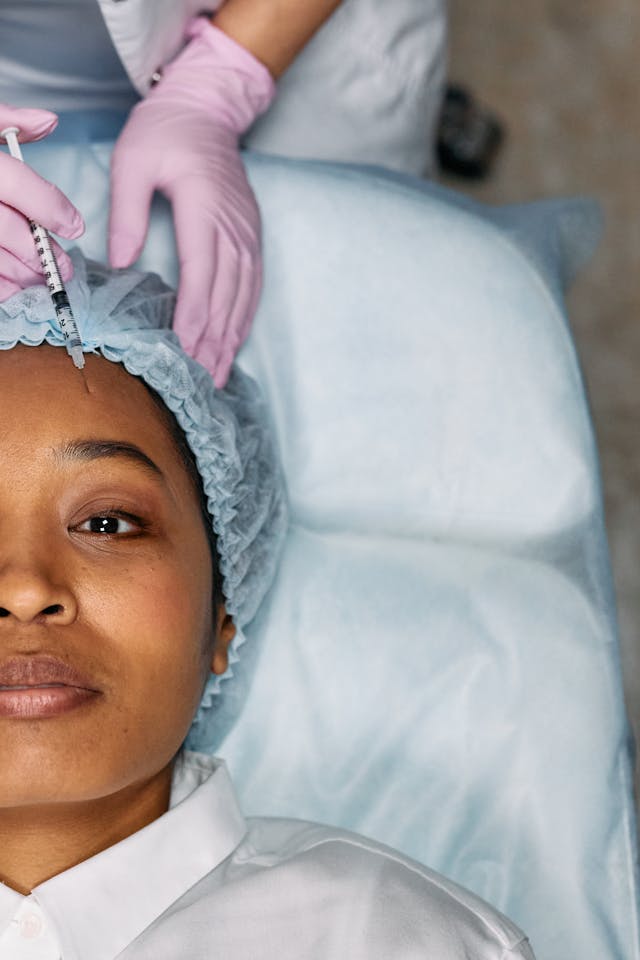
Higher temperatures and sun exposure can also influence how Botox settles after treatment. Extra care in the first 24 hours helps keep results smooth and consistent. For those who spend a lot of time outdoors, proper skincare habits can make a noticeable difference in how long their Botox lasts.
This blog explores how muscle activity and sunlight interact with Botox results in Redlands. It also shares simple ways to keep a refreshed, natural look without overdoing treatments.
Does Increased Sun Exposure and Muscle Activity Mean You Need More Botox in Redlands?
People who live in sunny areas often notice their Botox results differ from those who spend more time indoors. The combination of strong sunlight, higher temperatures, and frequent facial movement can impact how long treatments last and how much product a patient might need for the same effect.
How Sun Exposure Impacts Botox Results
Sun exposure can influence how Botox performs over time. Ultraviolet radiation breaks down collagen and elastin, which support smooth skin. This damage can cause fine lines and texture changes that make wrinkles appear sooner, even after treatment. Strong sunlight also leads to inflammation, which may reduce how long results last.
Physicians often advise patients to use sunscreen and limit direct sunlight, especially after injections. Protective habits such as wearing hats and using gentle moisturizers help keep results stable. For those seeking affordable Botox services in Redlands, balancing treatment with steady sun protection can reduce the need for frequent touch-ups and keep the skin looking smoother between visits.
The Role of Muscle Activity and Facial Expressions
Repeated facial movement plays a major part in how wrinkles form. The glabellar muscles, located between the eyebrows, are responsible for frown lines. In sunnier climates, constant squinting against bright light keeps these muscles under regular strain. This repeated action deepens lines faster, often requiring a higher Botox dose to relax them.
In Redlands, outdoor lifestyles make this more noticeable. People spend significant time under strong sunlight, whether driving or enjoying outdoor settings. Over time, their muscles may strengthen, creating visible creases that need tailored injection plans. Understanding this factor helps providers customize treatment schedules instead of relying on standard dosing.
Botox Efficacy in Warmer, Sunnier Climates
Studies show that Botox can work differently depending on the climate. Patients in high-sun regions like Southern California sometimes need slightly larger doses to achieve the same effect as those in cooler areas. This difference likely comes from both increased muscle use and faster product metabolism due to heat.
Local providers who understand Redlands’ environment can adjust dosage and timing to achieve balanced, long-lasting outcomes. Regular check-ins also help maintain natural movement without overcorrection. Warm climates do not reduce Botox’s safety or quality, but they make personalized care important for lasting results.
Protecting and Improving Botox Results in Redlands
People living in sunny areas like Redlands face stronger sun exposure that can affect skin health and the duration of cosmetic results. Careful protection from UV rays, smart daily habits, and compatible treatments can help maintain a smoother, more youthful appearance for longer periods.
Best Practices for Sun Protection After Botox
UV rays break down skin collagen and increase fine lines, which can shorten the visible effects of Botox. To protect results, patients should wear broad-spectrum SPF 30 or higher daily. Reapplication every two hours is important, especially during outdoor activities.
Protective accessories such as sunglasses, wide-brimmed hats, and lightweight long sleeves shield skin from direct sunlight. These items reduce squinting and facial tension that weaken Botox effects. Staying out of peak sun hours between 10 a.m. and 4 p.m. also helps preserve skin texture and tone.
After injections, it is best to avoid direct heat sources such as saunas or tanning beds for at least 24 hours. Excess heat can increase blood flow to facial muscles, potentially causing the product to spread unevenly. Gentle skin care with mild cleansers and moisturizers supports natural healing while maintaining smoother results.
Lifestyle Adjustments to Minimize Premature Aging
Skin and muscle activity strongly influence how long Botox results last. Repetitive facial movements, dehydration, and poor sleep can reduce its duration. Staying hydrated supports elasticity and helps preserve facial smoothness.
A balanced diet with antioxidants from fruits and vegetables limits free-radical damage caused by sun exposure. Regular physical activity improves circulation, although it is smart to avoid intense exertion within the first 24 hours after treatment.
Smoking and frequent alcohol use may cause faster collagen breakdown and dryness. Avoiding these habits helps maintain even skin texture. Adequate rest also plays a role, as deep sleep allows the body to repair minor sun damage and maintain skin firmness.
Combining Botox With Other Cosmetic Treatments
Strategic use of fillers and other nonsurgical options can improve the overall appearance of the face and help Botox results last longer. Fillers restore volume in areas such as the cheeks, lips, or under the eyes, while Botox reduces unwanted muscle movement. Together, they create a balanced and refreshed look.
Non-invasive skin resurfacing treatments, gentle chemical peels, or light-based therapy can smooth uneven tone caused by sun exposure. These methods address texture and pigmentation issues that Botox alone does not treat.
Before combining any procedures, a licensed professional should assess skin condition, muscle movement, and treatment timing. A well-scheduled plan keeps the face looking natural, prevents overcorrection, and provides steady improvement with minimal downtime.
Conclusion
Higher sun exposure often leads to stronger facial muscles because people squint more in bright light. This repeated movement can make glabellar muscles larger and more active, which may cause Botox to wear off faster in sunny areas such as Redlands.
Therefore, some individuals may need slightly higher doses or more frequent touch-ups to maintain smooth results. The warmer climate can also increase swelling or redness after treatment, so extra care with sun protection and hydration helps the skin recover better.
Each person reacts differently to Botox due to muscle activity, lifestyle, and environment. A trained professional can adjust the treatment plan based on these factors to achieve balanced, natural-looking outcomes.










Add Your Comment