


Visuals have always been at the heart of storytelling, and costumes play a pivotal role in bringing characters to life. They transform a character’s personality and role into a tangible, almost visceral experience. By carefully designing story-inspired attire, creators can enrich their narratives, adding depth, symbolism, and visual cues that resonate with audiences long after the story ends.
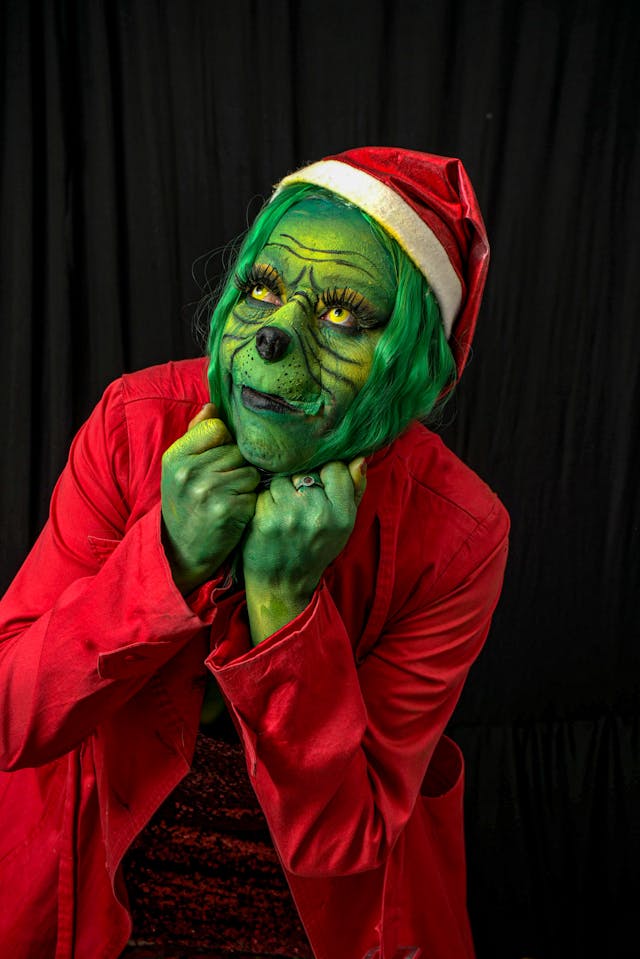
The Importance of Character Costumes
Outfits provide the first visual sign of a character’s identity. From color and fabric to accessories, the details of Dr Seuss characters costumes offer a glimpse into one’s personality and background. For instance, a hero might wear bright colors, while a villain might wear dark colors. Those decisions help give audiences a sense of roles instantly, rather than having moments of clumsy exposition.
Building Connection Through Visuals
A good costume can pull viewers into a narrative. Clothing is a visual articulation of a character’s journey (or the opposite), struggles, or even aspirations. When clothing reflects a character’s emotional state, it resonates with audiences.
Inspiration From Story Elements
Authentic costumes are created in relation to the setting, time period, and themes of the story. Patterns and fabrics that are more “historically accurate” strengthen the time of historical stories. Otherworldly, fantastical stories may use atypical materials or bold designs to evoke those feelings. Every decision, from the obvious to the obscured, should be in service of the story and its characters.
Pick a Color and Texture
Colors can also convey mood and intent. For example, warm tones may show an inviting personality, whereas cool colors may lean toward mental confusion or sadness on their behalf. When it comes to textures, silk and velvet are good picks.
Symbolism Within Costume Design
Symbolic elements enrich character presentation. Costumes can also be connected to deeper themes in the story through a recurring motif, like a family crest or a significant brooch that is worn by original characters. Costumes become more than what they look like because of their symbolism. Audiences pick up on these minor details, and characters will often be remembered for their distinct looks.
Functionality Meets Style
Not only are costumes meant to be visually appealing, but they are also traditionally created to be practical. Comfort is also important for performance and action scenes that require a lot of movement. While a form-fitting costume can be stunning, it may impede an actor from performing.
Attention to Detail
Details make a costume memorable. Buttons, embroidery, and jewelry are all used to differentiate one character from another. All of these things come together to make costumes more believable, helping the story resonate with audiences.
The Impact on Audience Perception
The appearance of a character is how the audience often perceives them at first, before they discover their backstory. A carefully selected costume creates expectations and influences perspective. That instantly recognizable relationship helps storytelling by enabling richer but more concise communication. When the costumes make a big impression, audiences remember the characters.
Encouraging Creativity in Costume Creation
This is a gift; designers need not play it safe and can go wild with the use of creativity in color, shape, and material. Art, nature, and personal experience: there are many sources of inspiration. When creators give themselves the freedom to stray from traditional boundaries, the costumes are more often than not ones that contribute and stand out in surprising ways.
Conclusion
Costumes go a long way in how characters are perceived and even remembered long after the story is told. Thoughtful choices of color, material, and detail can really add to the story as well as the look of the piece. Creative design combined with practical know-how can create costumes that knock audiences dead and allow them to visualize a story.









Add Your Comment