


Creating Productive Zones in Open-Plan Homes
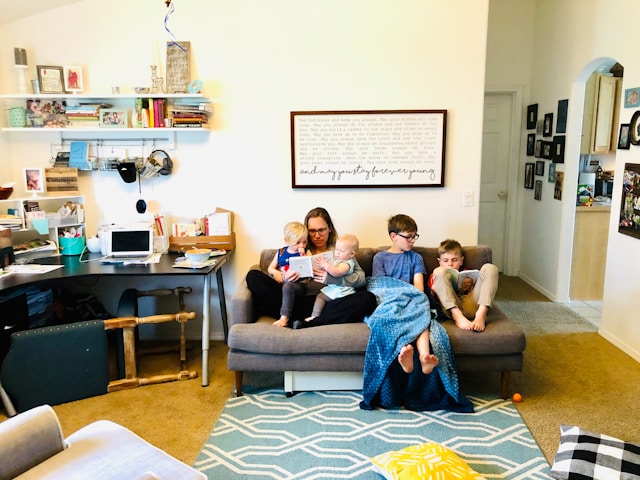
Open-plan living looks great on Pinterest. It’s airy, bright, and perfect for keeping an eye on your kids while you cook or work. But when it’s time for a video meeting and the kids are playing just a few feet away, things change fast. What feels open and inviting suddenly becomes chaotic. The lack of walls means every sound travels — from laughter to Lego crashes — and focus disappears.
Fortunately, there’s a simple solution that doesn’t require building new walls or taking on a major renovation. Many parents working from home have discovered that an office white noise system creates an invisible barrier between work and home life. It gently masks everyday household sounds — cartoons, dishes clinking, footsteps — helping parents stay focused while kids play freely. This subtle layer of sound allows every family member to do their thing without stepping on each other’s peace.
White noise isn’t just for offices or sleeping babies anymore. It’s becoming one of the most practical family tools for maintaining calm, focus, and balance in modern homes.
Why Open-Plan Living Challenges Family Productivity
Open layouts look beautiful, but they weren’t designed for the way families live and work today. With multiple people sharing the same space for work, study, and play, noise control becomes a daily struggle.
The Noise Reality of Shared Spaces
When everyone’s home, the house hums with activity. A blender in the kitchen, toys on the floor, someone talking on a Zoom call — it’s all happening at once. Even small sounds add up. Our brains aren’t wired to tune out so many competing noises, which is why open-plan homes can feel more stressful than spacious.
When Everyone Needs Focus at the Same Time
Remote work and online school have made multitasking households the new normal. But focus is fragile. When one person loses concentration, it can ripple through the house. Parents pause mid-email, kids lose track of homework, and before you know it, frustration replaces productivity. Without defined sound zones, quiet time becomes impossible to find.
How Sound Masking Works in Family Homes
Sound masking might sound like a complex technology, but it’s actually a beautifully simple idea. It doesn’t silence your home — it smooths it out. Instead of blocking noise completely, it adds a gentle layer of sound that helps your brain relax and tune out the chaos. Think of it like soft lighting for your ears.
What White Noise Actually Does
White noise fills your space with a steady, soothing background sound — like rainfall on a window or the faint hum of an airplane cabin. It gently blurs the sharp edges of household noises. So instead of hearing every footstep, door creak, or clink of a spoon, your mind learns to focus on the constant hum in the background. It’s not silence, but something better: calm consistency.
Many families describe the difference as immediate. Once it’s on, the whole atmosphere of the room changes. You feel calmer. The environment feels softer, more controlled. It’s as if your home exhales.
Why It’s Better Than Headphones for All-Day Work
Headphones might seem like the easy fix, but they create their own problems. They isolate you, cutting off connection with your family and surroundings. After a few hours, they can feel tight, hot, and even cause fatigue.
White noise is a gentler, more natural solution. It keeps the room connected, so you can still hear what matters — your child calling your name, a timer going off in the kitchen — without being distracted by every little sound. It strikes the right balance between focus and awareness, making it ideal for long days at home. You stay present, but peaceful.
Safe and Comfortable for Kids Too
White noise isn’t just for parents juggling deadlines. It’s a family-friendly tool that helps kids find calm and rhythm, too. For little ones, the steady hum mimics the comfort of familiar sounds they’ve heard since birth — like a heartbeat or ocean waves. It helps them settle during naps, transition to bedtime, or even focus better while drawing or reading.
For older kids, it can make homework time easier. By minimizing background chatter and distractions, white noise helps them lock into their tasks without the stress of constant interruptions. Just remember to keep the volume soft enough to smooth out noise, but never so loud that it dominates the room.
Setting Up Productive Zones Without Building Walls
You don’t need to add walls to bring structure and calm into your home. With a few smart adjustments and some creative use of sound, you can turn one open space into multiple “zones” that support focus, play, and relaxation — all without losing that open, airy feeling you love. It’s about helping everyone do what they need to do while still feeling connected as a family.
Identifying Your Family’s Activity Areas
Every home has its rhythm. Before you start rearranging, take a couple of days to notice how your family naturally uses each area. Where do your kids usually play or build with blocks? Where do you tend to take calls or answer emails? These patterns are your starting point.
Once you understand the flow of activity, you can begin to shape sound boundaries instead of physical ones. Think of quiet corners as “focus zones” and lively areas as “energy zones.” It’s okay for some spaces to stay active and noisy — the goal is balance, not silence. This awareness helps you place furniture, rugs, and even sound sources more intentionally so everyone gets what they need from the same shared space.
Creating a Work Zone That Really Works
Your workspace doesn’t need to be fancy, but it should feel intentional. Pick a spot that’s slightly tucked away from high-traffic paths like the kitchen or hallway — somewhere you can sit without feeling in the middle of everything.
Soft furnishings are your best friend here. A rug under your desk, heavy curtains, or even a bookcase behind you can absorb sound and make a big difference in how peaceful your area feels. Add a small white noise machine or a sound-masking app near your workspace to create what’s called an “acoustic bubble.” It gently blurs out the household buzz and tells your brain: this is the focus zone. Over time, that sound cue will help you slip into work mode faster, even in the middle of a busy house.
Homework Spots That Help Kids Concentrate
Kids focus better when their environment gives them clear signals. A consistent homework spot — even a small desk or corner table — can make homework time smoother and less of a battle.
Set up their space in a low-distraction area, away from TVs or noisy appliances. Keep supplies organized and within reach so they can stay on task. A soft, steady background hum from a white noise machine can help them block out chatter and movement from other rooms. After a while, that sound becomes a gentle mental switch — when it’s on, it’s time to think and learn.
Encourage kids to personalize their study zone with small touches — a lamp they like, a plant, or a photo. The goal is to make it feel calm and theirs, not sterile or forced.
Play Areas That Stay Contained
Playtime will always be noisy, and that’s part of what makes it joyful. The challenge is keeping that joyful energy from spilling into every corner of your home.
Choose one main play zone where toys, crafts, and games can happen freely. If it’s near your work or relaxation area, use furniture or sound sources to define the boundary. For example, a white noise unit or small speaker placed between the zones can act like an invisible sound wall. It softens sharp noises and keeps the chaos contained without muting the fun.
You’ll still hear laughter, footsteps, and chatter — but they’ll blend more smoothly into the background. This way, kids feel free to play loud and proud, while adults can keep their sanity intact. Over time, even children start to understand these invisible borders, learning where “loud” belongs and where “quiet” helps everyone.
Choosing the Right White Noise Solution
Every family’s home setup is different, so there’s no one-size-fits-all approach. The good news is there are plenty of options, from free apps to sophisticated sound systems.
Simple Apps vs Professional Systems
For smaller spaces or temporary setups, phone and tablet apps work well. They’re affordable, portable, and easy to customize. But if you want consistent coverage for a larger open space, investing in a professional white noise system pays off. These systems use multiple speakers to distribute balanced sound evenly throughout your home, avoiding “loud spots” or dead zones.
Portable Options for Flexible Families
Families who move between rooms — working in the morning, cooking in the afternoon, relaxing at night — love portable white noise machines. Many are battery-powered and small enough to move from desk to nursery. They’re ideal for multitasking households where everyone’s schedule shifts daily.
Whole-Home Systems for Larger Spaces
If your home has an expansive open layout or multiple shared zones, a built-in white noise system might be the best long-term choice. Installed discreetly in ceilings or walls, these systems blend into your decor and can even be controlled by smartphone or smart home hubs. They’re perfect for households where parents work full-time from home and kids have hybrid school schedules.
Making Your Open Plan Work for Your Family
Open spaces can still be functional, quiet, and full of life. The secret isn’t building walls — it’s designing smarter sound boundaries. With the right setup, your home can be filled with energy without feeling overwhelming.
An office white noise system or a few well-placed sound sources can restore harmony in a busy home. It lets kids be kids, parents stay focused, and everyone enjoys being together — without the noise, fighting for attention. In the end, that’s what modern family living is really about: connection, comfort, and a little bit of calm in the middle of it all.











Add Your Comment