


Childhood mobility has always been shaped by the toys and tools of each generation. From the humble bicycle to roller skates and skateboards, every era has had its signature ride-on that symbolizes freedom and fun. Today, the spotlight is on the electric scooter for kids—a sleek, battery-powered ride that has surged in popularity in neighborhoods around the world. But the question remains: are these scooters just a passing craze, or do they represent a lasting shift in how children explore and play?
A New Chapter in Outdoor Play
For decades, bicycles were the ultimate symbol of childhood independence. They allowed kids to venture beyond their driveways, meet friends, and feel a sense of autonomy. While bikes remain timeless, the rise of micro-mobility options has added new dimensions to outdoor play.
Electric scooters for kids are not replacing bicycles but rather expanding the landscape of choices. With their compact design, ease of use, and modern appeal, they align well with today’s fast-paced, tech-driven culture. Children are naturally drawn to gadgets, and scooters blend technology with physical activity in a way that feels both exciting and accessible.
Why Kids Love Them
The appeal of electric scooters isn’t difficult to understand. They’re fun, fast enough to feel adventurous, and simple enough to master within minutes. Unlike skateboards, which require practice and balance, scooters offer a gentler learning curve, making them inclusive for a wider range of ages.
Parents also notice the practicality. Scooters are lightweight and portable, which means families can easily take them to parks, playgrounds, or vacations. They also encourage kids to spend more time outdoors—a growing challenge in an age dominated by digital screens.
Safety and Responsibility
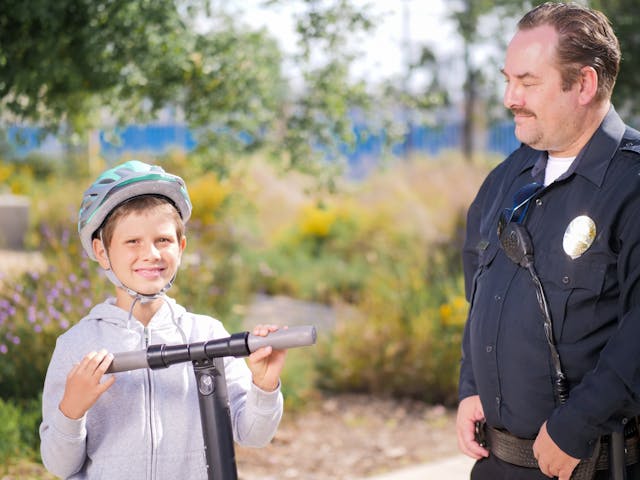
Of course, every mobility trend comes with responsibility. Safety is the leading concern when it comes to kids riding electric scooters. Protective gear, especially helmets, should be non-negotiable. Families also need to establish ground rules about where scooters can be ridden—quiet neighborhoods and designated paths are preferable to busy streets.
Many cities have already begun regulating scooters, even for younger riders. Speed limits, age guidelines, and rules about where scooters can be used are becoming more common. These rules aren’t designed to discourage play but to ensure that scooters remain a safe and enjoyable option for kids.
Benefits Beyond Fun
Electric scooters for kids aren’t just entertaining—they offer developmental and lifestyle benefits as well:
- Encouraging Outdoor Activity
Scooters draw kids outside, helping them break free from screens and sedentary routines. - Building Independence
Much like bicycles once did, scooters give kids a sense of mobility and confidence in their abilities. - Learning Responsibility
Charging the scooter, maintaining it, and using it safely all teach valuable lessons in responsibility. - Supporting Eco-Friendly Habits
Growing up with electric mobility may encourage kids to adopt sustainable choices as they get older.
Addressing Criticisms
Not everyone is convinced electric scooters for kids are a positive trend. Critics argue that scooters reduce the physical effort required compared to traditional bicycles, potentially making kids less active. Others worry about injuries from falls or collisions.
These concerns are valid, but they don’t necessarily mean scooters are inherently unsafe or harmful. Instead, they highlight the importance of balance. Parents can encourage children to use scooters alongside other activities like biking, running, or sports to ensure a healthy lifestyle. With proper supervision and safety measures, scooters can be part of a balanced routine.
A Lasting Part of Childhood Mobility?
So, will electric scooters for kids fade away like fads of the past, or will they remain a staple of childhood play? Evidence suggests they are here to stay. Unlike short-lived toys, scooters serve a practical function: they provide real mobility in a way that resonates with both kids and parents.
They also fit into a larger cultural shift toward micro-mobility. As cities invest in bike lanes and pedestrian-friendly infrastructure, scooters—both for adults and children—are becoming normalized parts of everyday travel. Families who already rely on bicycles or scooters for commuting are more likely to pass these habits down to their children.
Even media outlets are recognizing their relevance, noting how electric rides offer speed and convenience in urban life. This perspective extends naturally to kids, who experience the same sense of efficiency and excitement, albeit on a smaller scale. For many families, scooters are no longer a novelty but a practical, enjoyable, and lasting choice for play and transportation.
Looking Ahead
The future of kids’ mobility will likely be diverse. Bicycles, skateboards, and scooters will coexist, giving children a range of options to suit their preferences and abilities. Electric scooters, however, are uniquely positioned to endure because they align with broader technological and cultural trends.
Manufacturers are also innovating rapidly. Models designed specifically for children now include adjustable speed settings, improved safety features, and durable builds suited to family use. These refinements make it easier for parents to feel comfortable adopting scooters as part of their children’s routines.
As families embrace sustainable living and smarter mobility, the role of the electric scooter for kids seems less like a passing fad and more like a sign of what’s to come. They may not replace the timeless bicycle, but they are carving out their own enduring place in the world of childhood freedom and exploration. Read this guide if you are confused about how to choose the best electric scooter for your kid.
Conclusion
Electric scooters for kids represent more than a trendy gadget. They embody the intersection of play, independence, and modern technology. While safety and balance remain crucial, their ability to engage children outdoors, foster responsibility, and support sustainable habits make them far more than a fleeting craze.
Just as bikes once defined generations of childhood, scooters are now shaping a new era of mobility—one that blends fun with practicality and prepares kids for the future of transportation.











Add Your Comment