


Leaving the rental cycle behind is a big step. For many families, it is also one of the most rewarding financial moves they will ever make. The decision rarely happens overnight. It grows out of months, sometimes years, of planning, saving, and rethinking how money flows in and out of the household.
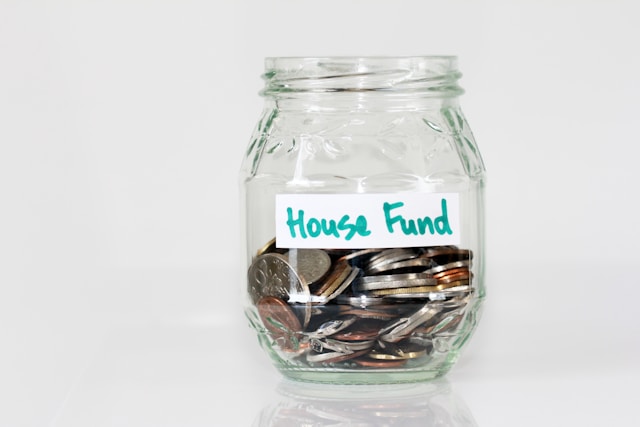
Buying a home changes the shape of a budget. Rent is predictable, but a mortgage comes with a longer list of moving parts. The good news is that a clear, honest budget makes the whole transition far less stressful. When you know your numbers, you make better choices. You also avoid the kind of surprises that catch unprepared buyers off guard.
This guide walks through practical budgeting strategies for families who are done renting and ready to own. The aim is simple. Help you build a financial foundation strong enough to support a home and everything that comes with it.
Start With a Clear Picture of Your Spending
You cannot plan for the future until you understand the present. That means looking closely at where your money actually goes each month.
Track Every Dollar
Spend a few weeks recording every expense. Groceries, gas, streaming services, the occasional coffee. All of it counts. Most people are surprised by how much slips away on small, forgettable purchases. Once you see the pattern, you can decide what stays and what goes.
A budgeting app helps, but a simple spreadsheet works just as well. The tool matters less than the habit. Consistency is what turns scattered numbers into a useful map of your finances.
Separate Needs From Wants
After tracking, sort your spending into two buckets. Needs are the non-negotiables, like food, utilities, and transportation. Wants are everything else. This is not about cutting all the fun out of life. It is about making intentional choices. Trimming even a handful of recurring wants can free up real money for your home fund.
Set a Realistic Homeownership Savings Goal
Saving for a home is different from saving for a vacation. The target is larger, and the timeline is longer. A vague goal like “save more” rarely works. A specific number does.
Start with the down payment. Many families aim for somewhere between 5 and 20 percent of a home’s price, though the right figure depends on your loan and your situation. A larger down payment usually means smaller monthly costs and less interest over time.
Then add closing costs. These often run between 2 and 5 percent of the loan amount, and they tend to surprise first-time buyers. Appraisal fees, title insurance, and lender charges all stack up. The Consumer Financial Protection Bureau offers helpful breakdowns of these expenses on its official resource pages, and reviewing them early prevents sticker shock later.
Once you have a total, divide it by the number of months until your target buy date. That gives you a monthly savings number. Automate transfers into a dedicated account so the money moves before you can spend it.
Pay Down Debt to Strengthen Your Position
Debt does more than drain your monthly cash. It shapes how lenders see you. Two numbers matter most here.
The first is your debt-to-income ratio. Lenders compare your monthly debt payments to your monthly income, and a lower ratio signals that you can handle a mortgage. Paying down credit cards and loans improves this number directly.
The second is your credit score. A stronger score often unlocks better interest rates, which can save you thousands over the life of a loan. Pay bills on time, keep balances low, and avoid opening new accounts right before you apply. Small, steady habits move the needle more than dramatic gestures.
Budget for the Costs Renting Never Showed You
When you rent, your landlord absorbs a lot of expenses you never see. As an owner, those costs land on you. Planning for them now keeps your budget from buckling later.
Property taxes are an ongoing reality, and they vary widely by location. Homeowners insurance is another fixed cost, often required by your lender. Then there is maintenance. Roofs leak. Appliances break. Water heaters fail at inconvenient times. A common rule of thumb is to set aside 1 to 2 percent of your home’s value each year for upkeep.
If you buy into a community with shared amenities, factor in association dues as well. None of these costs are optional. Building them into your budget from day one keeps homeownership from feeling like a financial ambush.
Understand the Financial Tools Ownership Unlocks
Renting gives you very little to borrow against. Owning is different. Over time, as you pay down your mortgage and your property value climbs, you build equity. That equity becomes a resource you can tap into when the need arises.
This is worth understanding before you buy, because it shapes how you think about long-term planning. Once you own and have built enough equity, you may be able to open a HELOC, which lets you borrow against the value of your home for things like renovations, emergencies, or consolidating higher-interest debt. Knowing this option exists down the road can ease some of the pressure to fund every future project out of savings alone. It is not money to count on right away, but it is part of the financial picture that ownership creates.
The takeaway is that buying a home does more than give you a place to live. It opens doors that renting keeps closed. Budgeting with that fuller picture in mind helps you set priorities that serve you for years.
Build Your Emergency Cushion Before You Buy
A down payment fund is essential, but it should not be your only savings. An emergency fund protects you after you move in. Owning a home means you no longer have a landlord to call when something breaks. The responsibility, and the bill, are yours.
Aim to keep three to six months of living expenses in a separate, easy-to-reach account. This cushion covers job loss, medical surprises, or that water heater that always seems to fail first. Buying a home with no reserves is a gamble. A solid emergency fund turns ownership into stability rather than stress. For more on setting these targets, the FDIC’s financial education materials lay out clear guidance on building savings safely.
Bringing It All Together
The path from renter to owner is paved with planning. None of these steps are complicated on their own. The challenge is doing them together, consistently, over time. That is where many families stumble, and it is also where a thoughtful budget makes the difference.
Start by understanding your spending. Set a clear savings goal. Pay down debt, prepare for the true costs of ownership, and keep a cushion for the unexpected. Each habit reinforces the others. Together, they build the kind of financial readiness that turns a dream of owning into a realistic plan.
Stopping renting is not just about leaving something behind. It is about stepping into a new chapter with confidence. With a strong budget guiding the way, your family can make that move on solid ground, fully prepared for what comes next.











Add Your Comment