


Some trends arrive loudly, dominate every feed for a season, and disappear just as fast. French style isn’t one of them. It’s been influencing how women dress for the better part of a century and not because Paris keeps insisting on its own relevance. It’s because the underlying philosophy actually works.
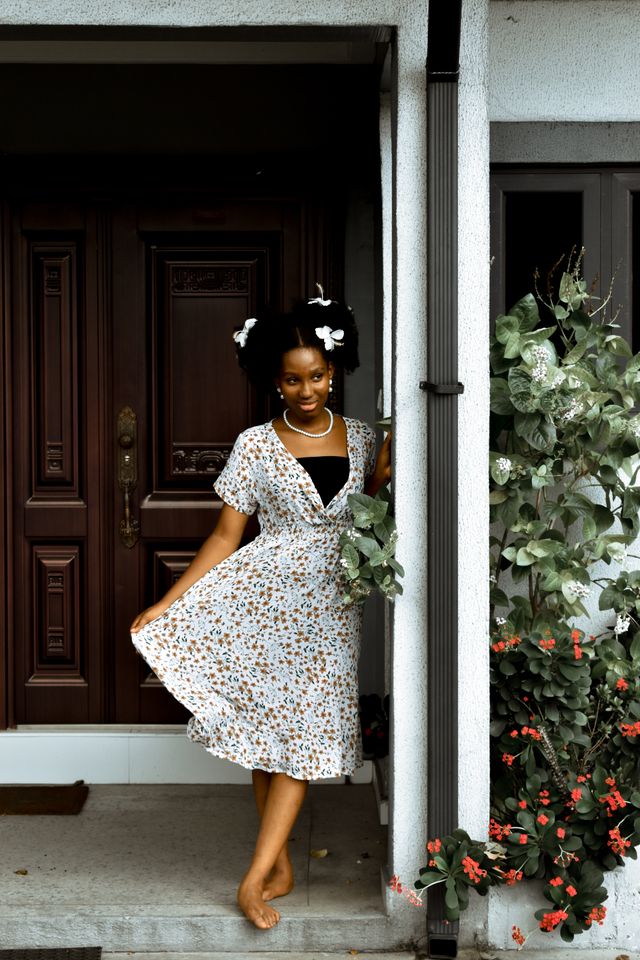
The dress, specifically, is where French fashion sensibility is most distilled. Not the maximalist ball gown. Not the corporate sheath. The kind of dress that looks like you didn’t try too hard but somehow got everything right. For women who care about what they wear without wanting fashion to be a full-time job, that balance is enormously appealing and it’s why French dresses keep showing up in the wardrobes of women who actually know what they’re doing.
- The Philosophy of Effortless Dressing Has Real Staying Power
Fashion goes in cycles. Maximalism gives way to minimalism, which gives way to something else entirely. What doesn’t cycle is the appeal of looking put-together without looking like you spent an hour on it. French dressing has always been built around this idea, the concept of sprezzatura before anyone was calling it that.
A French dress typically achieves this through restraint. The cut does the work. The fabric is chosen for how it moves, not how it photographs. Details are considered but not overdone: a subtle ruffle, a neckline that sits just so, a hem length that flatters without trying to make a statement about it.
This aesthetic approach is durable precisely because it’s not built on novelty. It doesn’t need to be replaced when the next season arrives because it was never chasing the current season in the first place.
- Versatility Is Built Into Every Decision
The most compelling argument for a French dress isn’t how it looks at its best occasion. It’s how many occasions it works for. A well-cut midi in the right fabric just works — morning meeting, dinner plans, Sunday market, no awkward in-between. That kind of effortless range is hard to find.
According to a 2023 global survey by Euromonitor International, versatility and cost-per-wear value have become the top purchasing priorities for women in the premium fashion segment overtaking trend alignment for the first time in the survey’s history.
That shift perfectly explains the enduring appeal of french dresses, silhouettes and fabrications designed to live in your wardrobe across seasons, not just for a single moment. When a dress works dressed up with heels or down with white sneakers, it stops being a purchase and starts being an investment.
- Fabric and Construction Set the Category Apart
There’s a reason French fashion has a reputation for quality that outlasts most other national style identities. It’s not mysticism, it’s a genuine emphasis on material and construction that shows up in how garments feel and wear over time.
Silk charmeuse that drapes without clinging. Lightweight linen that softens with every wash rather than stiffening. Viscose blends that move like a second skin in warm weather. These aren’t incidental choices, they’re the foundation of why a dress feels like a dress and not like wearing something that was designed primarily to look good on a product page.
Zadig&Voltaire brings exactly this material-first approach to their dress collections – mixing rock’n’roll edge with Parisian sensibility through fabrications and details that are chosen to last rather than just to land. The result is pieces that improve with wear rather than deteriorating into something you’re keeping out of guilt.
- The Silhouette Works Across Body Types – Not Just One
French dress design tends toward the forgiving. Not in a shapeless way – in a calibrated way. Wrap silhouettes that adjust naturally to the body. A-line cuts that skim rather than cling. Waist definition that suggests rather than constrains. These are choices made by designers who understand that the same dress will be worn by women with different proportions, and that a great dress should work for all of them.
This is also why the style works so well in photos — across all kinds of women. The cut is doing the work, not the body conforming to the cut. When a silhouette is designed to drape and move rather than hold a rigid shape, it adapts. That’s not an accident – it’s a design philosophy with real consequences for how a garment actually performs on a real person going about a real day.
- French Dresses Age Better Than Trend Pieces
Pull a trend piece from three years ago out of the back of your wardrobe and see how it feels to put it on. Now do the same with a well-made French dress from the same period. The experience is usually very different.
Trend-driven pieces carry a timestamp. They look exactly like what they are: something made for a specific moment that has now passed. Classic French design, the midi wrap, the belted shirt dress, the floaty slip with a subtle print doesn’t date the same way because it was never fully tethered to the moment it was made.
For women building a wardrobe with some intention, this is genuinely important. The cost-per-wear calculation on a dress you’ll reach for five years from now looks very different from one you wore twice before it started feeling dated. French dressing is one of the few style traditions that consistently delivers on that long game.
- They Work as a Statement Without Demanding One
There’s a particular kind of confidence that comes with wearing something that doesn’t need explaining. You’re not dressed for a theme. You’re not making an obvious reference. You just look good, and anyone paying attention knows it without you having to broadcast it.
This is the register that French fashion operates in almost exclusively, and it’s a register that never stops being relevant. In a moment when so much fashion is competing loudly for attention, something that achieves its effect quietly stands out in a completely different way.
Zadig&Voltaire captures this balance particularly well — the attitude is there in every piece, but it never tips into trying too hard. A skull detail on a silk collar. A slightly unexpected print on an otherwise understated silhouette. Enough edge to make it interesting, not so much that it stops working across contexts.
Conclusion
The midi dress endures because it answers a question most wardrobes struggle with: how to look considered without overthinking it. The best ones make getting dressed feel effortless — like a decision, not a compromise.
If you’re rethinking your wardrobe or just done holding onto things you never reach for, a few well-chosen midis are a smart place to begin. Not because they’re a magic fix — but because they’re the kind of thing you’ll still be wearing, and still appreciating, three years from now. That’s rarer than it sounds.










Add Your Comment