


Most people don’t really stop to think about what makes a space “work well.” You notice if something feels clean, or if a room is easy to move through, or if everything is kind of where it should be. But beyond that, it’s easy to just take it for granted.
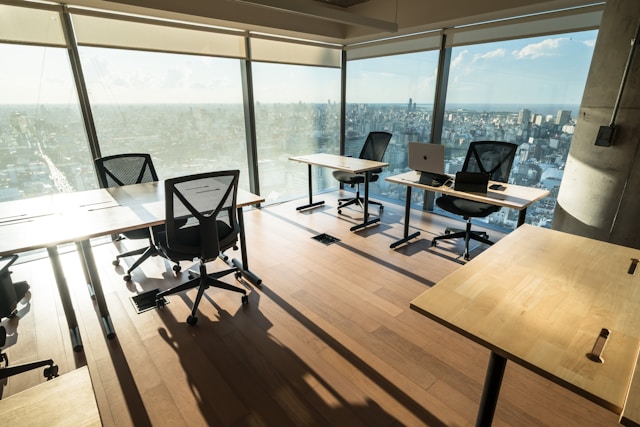
For parents especially—those involved in schools, events, volunteering, community stuff—you start seeing things a bit differently over time. Not in a technical way, just in a practical, almost instinctive way. You walk into spaces and you kind of register how they function, not just how they look.
When “Helping Out” Turns Into Noticing Everything
It usually doesn’t happen in a big dramatic shift. You’re just helping at a school thing, maybe sitting in a meeting, or showing up for some community project. Normal stuff.
And then at some point, you start noticing patterns. This thing always breaks too fast. That corner is always hard to keep clean. People keep having issues with the same area over and over again.
You don’t really plan to think like that—it just happens once you’ve seen enough of it.
And funny enough, it’s usually the small frustrations that stick the most. Not the big obvious problems, but the little things that keep repeating. A door that doesn’t close properly. A space that always gets congested at the same time of day. Nothing dramatic on its own, but together it starts forming a picture.
Shared Spaces Don’t Forgive Small Mistakes
A home is forgiving. If something isn’t perfect, you adjust. You live around it. You fix it when you get time.
Shared spaces are different. They don’t really give you that flexibility. Too many people using them, too many different situations, too much wear happening at once.
So even small decisions end up mattering more than you’d expect. Things that seem minor during planning can turn into constant issues later if they weren’t thought through properly.
And once that happens, fixing things is never just about “fixing one thing.” It usually affects schedules, budgets, and sometimes even how people use the space day to day. That’s why small details tend to carry more weight than anyone expects at the beginning.
The Stuff Nobody Really Notices (But Everyone Feels)
Most people walking into a building won’t think about how it was put together. They just feel whether it works or not. If it’s comfortable, if it’s easy to use, if it doesn’t create small annoyances.
But that feeling comes from a lot of tiny decisions behind the scenes.
Layout, materials, durability, how things hold up under daily use… all of that adds up without anyone really pointing it out.
In renovation planning, even something like bathroom partition installation becomes part of those behind-the-scenes decisions. It’s not something people talk about first, but it matters a lot for privacy, maintenance, and how well the space holds up when it’s used constantly.
And depending on the type of facility, those decisions can also affect how smoothly the entire building operates. A well-designed space doesn’t just look better—it quietly reduces friction for everyone using it, even if nobody consciously notices why.
Why Long-Term Thinking Kicks In Naturally
After a while, people stop thinking in terms of “what looks good right now” and start thinking more like “what’s still going to work in a few years.”
Not because someone told them to, but because they’ve seen what happens when things aren’t built or chosen with that in mind.
Schools, churches, community buildings… they all kind of run on that reality. Constant use, constant pressure, constant small problems showing up if something wasn’t designed well in the first place.
And the more you’re around those environments, the more you realize that “cheap and quick” solutions usually end up costing more in time and effort later. Not always in money, but in maintenance, frustration, and repeated fixes that never really solve the root problem.
When Experience Becomes the Real Teacher
You don’t really need formal training to start understanding how these spaces work. Most of it comes from just being around them long enough.
You see what breaks, what survives, what causes constant small headaches. And slowly, you start making better guesses about what will work and what won’t.
It’s not theory. It’s just repetition and observation over time.
And interestingly, the more experience people have with shared environments, the less they focus on aesthetics alone. They start paying attention to things like durability cycles, cleaning patterns, and how often something demands attention. It becomes less about “this looks good” and more about “this doesn’t create problems later.”
That shift is subtle, but once it happens, it changes how you evaluate almost any public or shared space you walk into.
Conclusion
Shared spaces feel simple when everything works. But behind that simplicity is a long chain of small decisions that either make things easier or create problems later.
And once you start noticing that, you can’t really unsee it anymore.











Add Your Comment