


According to the American Academy of Pediatric Dentistry‘s 2024 guidelines, children should have their first dental visit by age one or within six months of their first tooth appearing — yet nearly 40% of children don’t see a dentist until after age three. As pediatric dental practices increasingly emphasize prevention over treatment, this timing gap has real consequences for long-term oral health outcomes.
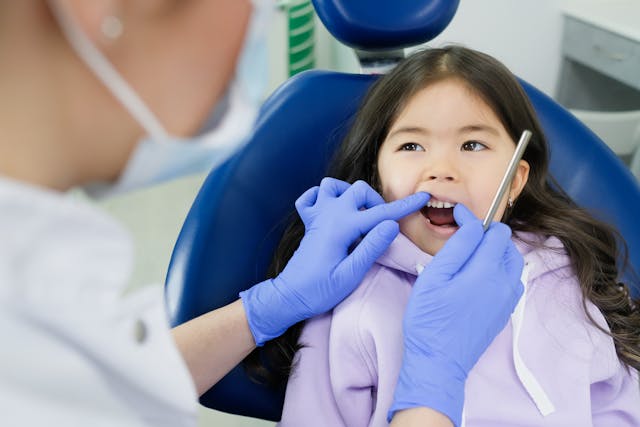
The shift matters because early childhood caries remains the most common chronic disease in children, affecting more than 20% of kids aged two to five. What many parents don’t realize is that those crucial first years establish not just oral health habits, but also a child’s relationship with dental care that can last a lifetime. A traumatic first experience can create dental anxiety that persists into adulthood, while a positive introduction often leads to lifelong comfort with preventive care.
Picture a typical scenario: a two-year-old’s first dental visit gets delayed until a problem appears — maybe tooth pain or visible decay. By then, the child associates the dentist with discomfort, the parent feels guilty about waiting, and what should have been a simple preventive visit becomes a treatment-focused appointment that reinforces negative associations.
The good news is that parents have significant control over how this first encounter unfolds. From choosing the right practitioner to preparing your child mentally, the decisions you make beforehand largely determine whether that first visit becomes a foundation for healthy habits or the beginning of dental avoidance.
Why Early Dental Visits Are Important
The timing of that first dental visit isn’t arbitrary — it’s designed to catch problems when they’re still preventable rather than treatable. During infancy, several critical developments occur that affect lifelong oral health, and a pediatric dentist can identify risk factors before they become actual problems.
Infant oral bacteria establishment happens much earlier than most parents realize. The bacteria that cause tooth decay can colonize a child’s mouth even before teeth appear, often transmitted through shared utensils or when parents clean pacifiers with their own saliva. A dentist can assess this bacterial environment and provide guidance on preventing harmful colonization during those crucial early months.
The eruption pattern of primary teeth also follows a predictable timeline that dentists monitor for developmental concerns. When teeth emerge late, in unusual sequences, or with structural problems, early intervention can prevent complications that would be much more difficult to address later. For instance, teeth that erupt with deep grooves or unusual enamel formation can receive protective sealants immediately, rather than waiting until decay has already started.
Oral habits assessment during infancy and toddlerhood can prevent orthodontic problems down the line. Prolonged bottle feeding, thumb sucking beyond age three, and pacifier use past age two all affect jaw development and tooth positioning. A pediatric dentist can help parents understand which habits need modification and provide realistic timelines for making changes without traumatizing the child.
Perhaps most importantly, these early visits establish what dental professionals call a “dental home” — a consistent relationship with a practice that knows your child’s history, risk factors, and behavioral patterns. Research shows that children with established dental homes receive more preventive care and experience fewer dental emergencies than those who receive sporadic care from different providers.
The fluoride exposure assessment is another crucial element that happens during early visits. Too little fluoride leaves teeth vulnerable to decay, but too much during tooth development can cause fluorosis — permanent discoloration of the enamel. A dentist can evaluate your child’s total fluoride exposure from water, toothpaste, and other sources, then recommend adjustments to optimize protection without overdosing.
How to Prepare Your Child Mentally and Emotionally
The mental preparation for a first dental visit starts weeks before the actual appointment, and it’s less about explaining procedures and more about building positive associations with dental care. Young children don’t need detailed information about what will happen — they need to feel safe and curious rather than anxious.
Start by incorporating dental themes into everyday play. Let your child “examine” stuffed animals’ teeth, count teeth in picture books, or play dentist with dolls. This familiarization happens naturally through repetition, not through formal lessons about dental health. The goal is making dental concepts feel normal and interesting rather than medical and scary.
Language choice matters significantly during these conversations. Avoid words like “shot,” “drill,” “pain,” or “hurt” even when reassuring your child that these things won’t happen. Young children often focus on the scary words and miss the reassurance. Instead, use positive, specific language: “The dentist will count your teeth and make them sparkle” or “We’re going to meet the tooth doctor who helps keep smiles healthy.”
Common Fears and Behavior Management
Most toddlers’ dental fears center around separation from parents, unfamiliar sensations in their mouth, and loss of control rather than actual pain. Understanding these root fears helps parents address the real concerns instead of trying to rationalize away fears that don’t actually exist yet.
Separation anxiety often peaks right around the age when first dental visits occur. Some practices allow parents to accompany children into the treatment room, while others prefer children to develop independence with the dental team. Ask about the office policy beforehand so you can prepare your child appropriately. If separation is required, practice short separations in other safe environments first.
The unfamiliar sensations of dental instruments can be overwhelming for children who haven’t experienced anything like them. At home, you can desensitize your child by gently touching their lips, cheeks, and gums during regular care routines. Use a soft toothbrush to touch different areas inside their mouth, narrating what you’re doing in the same calm tone a dentist might use.
Control and choice become important factors even with very young children. When possible, give your child small choices during the visit: “Would you like to sit up or lie back first?” or “Should we count your top teeth or bottom teeth first?” These tiny decisions help children feel like participants rather than passive recipients of care.
Using Positive Reinforcement at Dental Visits
Effective positive reinforcement during dental visits requires coordination between parents and the dental team, focusing on effort and cooperation rather than just outcomes. The reinforcement needs to feel genuine and immediate to be effective with young children.
Praise specific behaviors rather than general compliance. Instead of “You were so good,” try “You kept your mouth open when Dr. Smith was counting your teeth” or “I noticed how still you held your head during the cleaning.” This specificity helps children understand exactly what behavior to repeat next time.
Avoid bribing children to cooperate (“If you’re good, we’ll get ice cream afterward”) because this implies that the dental visit is inherently unpleasant and requires compensation. Instead, plan a normal, enjoyable activity afterward that isn’t contingent on behavior: “After we visit the dentist, we’ll go to the playground like we planned.”
The dental team’s positive reinforcement often works better than parental praise during the actual visit. Many pediatric dental offices use sticker charts, special certificates, or small toys that help children feel proud of their participation. Let the dental staff take the lead on these rewards while you focus on calm, supportive presence.
What to Expect During the First Dental Visit
A typical first dental visit for an infant or toddler looks quite different from adult dental appointments, focusing more on assessment and familiarization than intensive cleaning or treatment. Understanding the actual procedures helps parents know when to be supportive versus when to step back and let the dental team work.
The appointment usually begins with a visual examination while the child sits on the parent’s lap or in the dental chair, depending on the child’s comfort level. The dentist will look at tooth development, check for early signs of decay, and assess the bite relationship between upper and lower teeth. This examination often takes just a few minutes and involves minimal contact with the child’s mouth.
Gentle cleaning may happen during this first visit, but it’s typically limited to wiping teeth with a soft cloth or using a small, soft toothbrush rather than the mechanical cleaning tools used for older children. The goal is removing plaque buildup while getting the child accustomed to having their teeth touched by someone other than their parent.
Fluoride application during first visits depends on the child’s age and risk assessment. For very young children, this might involve a fluoride varnish painted on the teeth with a small brush — a quick procedure that hardens immediately and doesn’t require rinsing. Some practices skip fluoride entirely during the first visit to keep the experience simple and positive.
X-rays are rarely necessary for children under three unless there are visible problems or high decay risk. When they are needed, pediatric dental offices use digital X-ray systems that significantly reduce radiation exposure and often provide immediate images that can be explained to parents right away.
The dentist will also spend time talking with parents about home care routines, dietary factors affecting oral health, and developmental expectations for the coming months. This educational component often takes longer than the actual examination, especially for first-time parents who have questions about everything from teething symptoms to appropriate toothpaste choices.
Many practices conclude the visit with positive reinforcement activities — letting the child hold the dental mirror, giving them a new toothbrush, or providing a certificate celebrating their first dental visit. These activities help end the appointment on a high note and create positive associations with the dental office environment.
How to Choose the Right Dentist for Your Child
Selecting a pediatric dentist involves more than finding someone who treats children — you’re looking for a practitioner whose approach aligns with your parenting style and your child’s temperament. The right fit can make the difference between a child who looks forward to dental visits and one who develops lasting anxiety.
Board certification in pediatric dentistry indicates additional training beyond general dental school, specifically focused on child development, behavior management, and pediatric-specific treatments. These specialists understand how children’s teeth and jaws develop differently from adults and have training in managing dental anxiety and behavioral challenges.
The office environment provides immediate clues about the practice’s approach to pediatric care. Look for child-sized furniture, age-appropriate decorations, and spaces designed to feel welcoming rather than clinical. Some practices have play areas or interactive elements that help children feel comfortable, while others maintain a more traditional medical environment. Consider which setting would appeal more to your child’s personality.
Communication style matters enormously with pediatric dentistry. During your consultation, observe how the dentist and staff interact with your child. Do they get down to the child’s eye level? Do they explain things in age-appropriate language? Do they respect your child’s pace and comfort level, or do they seem rushed? A good pediatric dentist will spend time building rapport before attempting any examination.
Ask about the practice’s approach to behavior management and parent involvement. Some offices encourage parents to accompany children throughout all procedures, while others believe children develop more independence when parents remain in the waiting room. If you have concerns about common questions about children’s dentistry, discussing these policies upfront helps ensure the practice’s approach matches your expectations.
Emergency availability and after-hours care policies become important considerations, especially if your child is at higher risk for dental trauma due to active play or sports participation. Understanding how the practice handles urgent situations and whether they coordinate care with local hospitals can provide peace of mind.
Practical Tips and Checklist for a Stress-Free Dental Visit
Creating a comprehensive preparation strategy involves both practical logistics and emotional readiness, with specific steps you can take in the days leading up to the appointment to maximize the chances of a positive experience.
Schedule strategically around your child’s natural rhythms and energy levels. Most toddlers do better with morning appointments when they’re well-rested and haven’t yet reached afternoon fussiness. Avoid scheduling during normal nap times or immediately after meals when children might be sleepy or uncomfortable.
Home preparation checklist should begin several days before the visit:
- Read dental-themed picture books together
- Practice opening mouth wide and counting teeth during regular brushing
- Pack a comfort item (small toy or blanket) that can accompany your child
- Prepare a simple, non-sugary snack for after the appointment
- Ensure your child is well-rested the night before
Arrive at the dental office about 15 minutes early to allow time for your child to acclimate to the new environment without feeling rushed. Use this time to explore the waiting room, look at books or toys, and observe other families calmly waiting for their appointments.
During the visit, focus on staying calm and positive yourself — children pick up on parental anxiety more readily than many parents realize. Avoid making promises about what will or won’t happen (“It won’t hurt” or “It’ll be quick”) since you can’t control all variables. Instead, focus on what you can promise: “I’ll be right here with you” or “We’ll take our time.”
Post-visit activities should reinforce the positive experience without over-celebrating in ways that suggest the visit was something to be endured. A normal, pleasant activity like going to the park or reading together sends the message that dental visits are simply part of regular health care, not major ordeals requiring special rewards.
The foundation you build during this first dental visit extends far beyond that single appointment. Children who develop comfort with preventive dental care from an early age tend to maintain better oral health throughout their lives, avoiding the cycle of dental anxiety and avoidance that affects many adults. By taking time to prepare thoughtfully and choose the right dental home for your family, you’re setting up not just a successful first visit, but a lifetime of positive dental experiences.











Add Your Comment