


The American Dental Association reports that dental implants have a success rate exceeding 95% when placed by experienced practitioners — yet many patients approach the procedure with significant anxiety simply because they don’t know what actually happens during surgery. As dental implant technology has advanced dramatically over the past decade, with innovations in materials, imaging, and surgical techniques, the gap between patient expectations and reality has only widened. For the millions of Americans considering implants to replace missing teeth, understanding the actual surgical process, recovery timeline, and what distinguishes different approaches can transform a stressful decision into an informed one. Here’s what really happens from consultation to final crown placement, and how modern implant procedures differ from the invasive surgeries many people imagine.
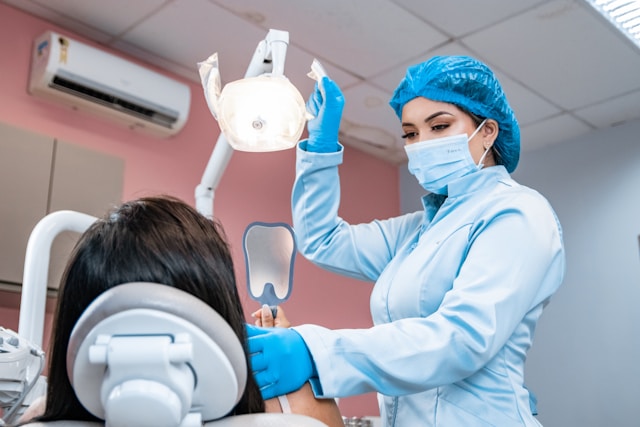
What Happens During the Dental Implant Procedure
The dental implant process unfolds in distinct phases that can span several months, though the actual surgical time is typically much shorter than patients expect. Most single-tooth implant placements take 60 to 90 minutes, while the healing and integration process requires three to six months before the final crown can be attached.
Anesthesia Options and Oral Surgery Techniques
Modern implant surgery offers several anesthesia approaches depending on patient anxiety levels and procedure complexity. Local anesthesia with lidocaine remains the standard for single implant placement, providing complete numbness while allowing patients to remain fully conscious and responsive. For more anxious patients or complex cases involving multiple implants, oral sedation or IV conscious sedation can be added to the local anesthetic protocol.
The surgical technique itself has evolved significantly from earlier approaches. Using 3D cone beam CT scans, surgeons now plan the exact implant position digitally before making any incisions. This guided surgery approach allows for smaller incisions, more precise placement, and often eliminates the need for extensive tissue reflection that characterized older techniques.
Preparing for the Procedure and Step-by-Step Surgery Overview
Pre-surgical preparation begins with antibiotic prophylaxis if recommended, typically starting 24 hours before surgery. Patients should arrange transportation home and plan for a soft diet during the initial healing phase. The morning of surgery, normal brushing and flossing are encouraged, though eating is restricted if sedation will be used.
The surgical sequence follows a methodical pattern: after achieving adequate anesthesia, the surgeon creates a small incision in the gum tissue and prepares the implant site using specialized drills of increasing diameter. The titanium implant is then placed into the prepared socket and covered with either a healing cap or protective cover screw. For many patients, a temporary crown can be placed immediately, though this depends on bone quality and implant stability achieved during placement.
Types of Dental Implant Procedures Explained
Not all implant procedures follow the same timeline or approach, and understanding these variations helps set realistic expectations for your specific situation. The choice between immediate and delayed placement often depends on factors like bone density, infection risk, and whether tooth extraction is needed simultaneously.
Immediate versus Delayed Implant Placement
Immediate placement occurs when an implant is positioned into the extraction socket during the same appointment as tooth removal. This approach reduces the total treatment time and often preserves more of the surrounding bone and gum tissue. However, immediate placement requires adequate bone density around the extraction site and absence of infection — conditions that aren’t always present.
Delayed placement involves waiting 8-12 weeks after tooth extraction before implant surgery, allowing complete healing of the extraction site. While this extends the overall treatment timeline, it often provides more predictable outcomes, especially when bone grafting is needed or when the extracted tooth had significant infection or bone loss around it.
Single Tooth, Multiple Implants, and Full Arch Restorations
Single tooth replacement represents the most straightforward implant scenario, typically requiring one surgical appointment followed by a 3-6 month integration period before crown placement. The procedure is usually completed under local anesthesia with minimal post-operative discomfort.
Multiple implant cases may involve placing several implants during one surgical session, which can be more efficient but requires careful attention to patient comfort and healing capacity. Full arch restoration — replacing an entire upper or lower set of teeth — often uses just four to six strategically placed implants to support a fixed bridge, a concept known as “All-on-4” or “All-on-6” depending on the number of implants used.
Risks, Complications, and Success Rates of Dental Implants
While implant surgery carries inherent risks like any surgical procedure, serious complications remain relatively uncommon when proper protocols are followed and patients are appropriately screened. Understanding these risks alongside the factors that influence success helps patients make informed decisions about their treatment.
Common Complications and How to Manage Them
The most frequent complications include temporary numbness of the lower lip or tongue if implants are placed near the inferior alveolar nerve, minor bleeding or swelling lasting 3-5 days, and occasional implant movement during the healing phase. Infection at the implant site occurs in roughly 2-4% of cases and typically responds well to antibiotic therapy when caught early.
More serious but rare complications include implant failure to integrate with the bone (occurring in less than 5% of cases), damage to adjacent teeth during drilling, or sinus perforation during upper jaw implant placement. Most complications can be successfully managed when identified promptly, which is why following post-operative instructions and attending scheduled follow-up appointments is crucial.
Key Factors Influencing Success and Longevity
Patient health status significantly impacts implant success rates. Uncontrolled diabetes can impair bone healing and increase infection risk, while smoking reduces blood flow to the surgical site and approximately doubles the risk of implant failure. Patients with a history of gum disease require careful evaluation, as the bacteria responsible for periodontitis can also affect implant health.
Implant design and surface treatment also influence outcomes. Modern implants feature roughened titanium surfaces that promote faster bone integration, while proper implant sizing and positioning — aided by 3D imaging — reduces mechanical stress that could lead to long-term complications. When working with an experienced implant dentist in Houston, patients benefit from refined surgical techniques and materials that weren’t available even a decade ago.
Recovery and Postoperative Care After Dental Implant Surgery
Recovery from implant surgery varies considerably based on the number of implants placed, whether bone grafting was necessary, and individual healing capacity. Most patients experience their peak discomfort 24-48 hours after surgery, with significant improvement by the end of the first week.
Pain Management Techniques and Patient Comfort
Effective pain control typically combines over-the-counter medications with prescription options when needed. Ibuprofen (800mg every 8 hours) provides both pain relief and anti-inflammatory benefits, while acetaminophen can be added for breakthrough pain without risk of drug interaction. Prescription pain medication is usually needed only for the first 2-3 days following surgery.
Ice application during the first 24 hours significantly reduces swelling and discomfort — 20 minutes on, 20 minutes off works better than continuous application. After the first day, switching to gentle warm compresses can improve circulation and promote healing. Most patients find they can return to work within 24-48 hours, though physically demanding jobs may require a longer recovery period.
Postoperative Instructions and Healing Factors
The first week following surgery requires careful attention to wound care and activity modification. Gentle salt water rinses beginning 24 hours post-surgery help maintain cleanliness without disrupting the blood clot formation crucial for healing. Avoiding straws, smoking, and vigorous rinsing prevents the negative pressure that can dislodge protective blood clots.
Diet modifications focus on soft foods that don’t require significant chewing — think yogurt, smoothies, scrambled eggs, and pasta rather than crunchy or chewy foods that could irritate the surgical site. Osseointegration, the process where the implant bonds with surrounding bone tissue, occurs over 3-6 months and requires avoiding excessive force on the implant during this critical period.
How Dental Implants Compare with Dentures and Bridges
Understanding the practical differences between tooth replacement options helps patients weigh the investment and commitment that implants represent against alternatives that may be less expensive initially but require different maintenance approaches and offer different functional outcomes.
Traditional dentures typically cost significantly less upfront but require replacement every 5-7 years and can limit dietary choices due to reduced chewing efficiency. Partial or complete dentures also continue the bone loss process that occurs when tooth roots are absent, leading to progressive changes in facial support over time.
Fixed bridges offer better chewing function than dentures but require grinding down adjacent healthy teeth to serve as anchors, and the bridge typically needs replacement every 10-15 years. Implants preserve adjacent teeth completely and, with proper care, can last decades without replacement. While the initial investment is higher, the long-term cost per year often favors implants, especially when considering the preservation of jawbone and adjacent teeth. The ability to brush and floss normally around implant crowns also simplifies oral hygiene compared to the specialized cleaning required for bridges or the daily removal and soaking routine necessary with dentures.
For patients evaluating their options, the decision often comes down to whether they prioritize the lowest initial cost or the best long-term function and oral health outcomes — with implants representing the latter approach.











Add Your Comment