


That bright, confident smile comes with a price for many people. According to the American Dental Association’s 2023 patient survey data, approximately 78% of individuals who undergo teeth whitening experience some level of sensitivity during or after treatment. What starts as excitement about achieving whiter teeth often transforms into sharp, shooting pain that can make drinking cold water feel like torture.
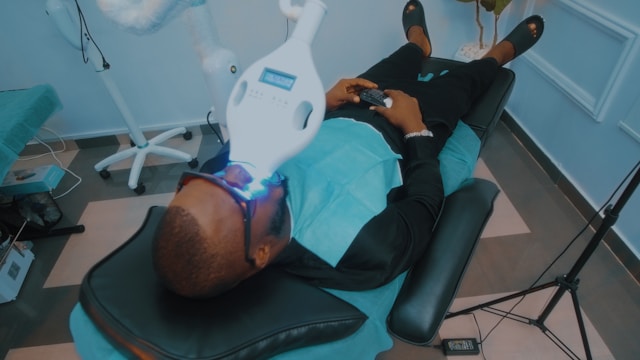
The whitening industry has exploded in recent years, with both professional treatments and at-home products becoming more accessible than ever. Yet despite advances in whitening technology, sensitivity remains the most common side effect — and the primary reason people abandon their whitening routines midway through treatment. For the millions of Americans pursuing whiter teeth, understanding why sensitivity occurs, how to recognize it, and most importantly, how to manage it effectively can mean the difference between achieving their cosmetic goals and giving up in frustration.
The challenge isn’t just the discomfort itself, but the confusion surrounding it. Many people can’t distinguish between normal whitening sensitivity and other dental issues, leading to unnecessary worry or inadequate treatment. Understanding the biological mechanisms behind this sensitivity and learning evidence-based strategies for prevention and management puts you in control of your whitening journey.
How Teeth Whitening Causes Sensitivity and Its Biological Mechanism
The chemistry behind teeth whitening creates a perfect storm for sensitivity, and understanding this process helps explain why some people experience more discomfort than others. When whitening agents — primarily hydrogen peroxide or carbamide peroxide — contact your teeth, they don’t just work on the surface. These powerful oxidizing agents penetrate through the enamel’s microscopic pores, reaching the underlying dentin layer where your tooth’s nerve endings begin.
Peroxide molecules are remarkably small, allowing them to slip through enamel’s natural porosity like water through a sponge. Once inside the tooth structure, these agents break apart stain molecules through an oxidation process — essentially “bleaching” the discolored compounds that make teeth appear yellow or brown. However, this same process temporarily opens up the dentinal tubules, tiny channels that connect the tooth’s outer surface directly to the nerve-rich pulp chamber at its center.
Think of your teeth like a house with thousands of tiny windows. Normally, these windows (dentinal tubules) are partially blocked by natural minerals and proteins. Whitening agents temporarily remove these natural barriers, creating direct pathways for external stimuli — hot coffee, cold air, even sweet foods — to reach nerve endings that are usually well-protected. The result is the sharp, electric-like pain that many describe as “zingers.”
Individual variation in sensitivity largely depends on three key factors: enamel thickness, dentin density, and existing tooth structure. People with naturally thinner enamel or previous dental work experience more sensitivity because there’s less protective barrier between the whitening agent and the nerve. Additionally, teeth that have experienced trauma, extensive dental work, or natural wear have more exposed dentin, making them particularly vulnerable to whitening-induced sensitivity.
The concentration of whitening agents amplifies this effect. Professional treatments using 15-35% hydrogen peroxide create more dramatic results but also more significant temporary changes to tooth structure compared to over-the-counter products with 3-10% concentrations.
What Symptoms Indicate Teeth Whitening Sensitivity and How Long It Lasts
Common Signs of Teeth Whitening Sensitivity
Recognizing whitening sensitivity involves understanding both its unique characteristics and timing. The most telltale sign is sharp, shooting pain that occurs immediately upon contact with temperature changes or certain foods. Unlike the dull ache of a cavity or the constant throb of an infection, whitening sensitivity typically manifests as brief but intense “electric shock” sensations that subside quickly once the trigger is removed.
These sensations most commonly occur when consuming cold beverages, breathing cold air, or eating acidic foods like citrus fruits. Some people also experience heightened sensitivity to sweet foods or even the pressure from brushing. The pain usually starts during or immediately after whitening treatment, distinguishing it from other types of dental discomfort that develop gradually over time.
Location patterns also provide important clues. Whitening sensitivity typically affects multiple teeth simultaneously, particularly the front teeth where enamel is naturally thinner. If sensitivity is limited to just one or two teeth, especially back molars, it’s more likely related to existing dental issues rather than the whitening process itself.
Duration and Temporary Versus Long-Term Sensitivity
Most whitening sensitivity follows a predictable timeline that peaks within 24-48 hours after treatment and gradually subsides over the following week. For professional in-office treatments, sensitivity often begins during the procedure itself and reaches maximum intensity within the first day. At-home treatments tend to produce more gradual onset, with sensitivity building over several days of use.
The good news is that whitening sensitivity is almost always temporary. Research published in the Journal of the American Dental Association shows that 95% of patients experience complete resolution of sensitivity within two weeks of completing treatment. However, individual recovery times vary significantly based on treatment intensity, individual pain tolerance, and post-care management.
Long-term or persistent sensitivity beyond two weeks typically indicates either pre-existing dental issues that were aggravated by whitening, or improper use of whitening products. This might include using treatments too frequently, choosing concentrations too high for individual tolerance levels, or failing to follow recommended application guidelines. When sensitivity persists beyond the normal healing timeline, professional evaluation becomes essential to rule out underlying problems and adjust future whitening approaches.
How Whitening Sensitivity Differs from Other Types of Tooth Sensitivity
Understanding these distinctions helps you respond appropriately and avoid unnecessary concerns. Whitening sensitivity has several unique characteristics that set it apart from sensitivity caused by worn enamel, gum recession, or other dental conditions.
First, the timing is distinctive. Whitening sensitivity appears suddenly and directly correlates with treatment use, while natural sensitivity from enamel wear or exposed roots develops gradually over months or years. If you’ve never experienced tooth sensitivity before and it appears immediately after starting a whitening regimen, the connection is clear.
The trigger patterns also differ significantly. Natural tooth sensitivity typically responds primarily to temperature changes — especially cold — and may be localized to specific teeth where enamel is worn or roots are exposed. Whitening sensitivity, however, often includes heightened responses to sweet foods and acidic substances in addition to temperature changes, and typically affects multiple teeth across the smile zone.
Duration provides another important distinction. Natural sensitivity tends to be ongoing until the underlying cause is addressed, whether through desensitizing treatments, dental work, or changes in oral hygiene habits. Whitening sensitivity, by contrast, follows that predictable timeline of appearing suddenly, peaking quickly, and resolving on its own as tooth structure returns to normal.
Consider the case of someone who experiences sharp pain when drinking iced coffee three days after professional whitening versus someone who’s noticed gradually increasing sensitivity to cold foods over the past six months. The first scenario strongly suggests whitening-related sensitivity that should resolve with time and proper care. The second pattern indicates underlying dental issues — possibly gum recession or enamel wear — that require professional evaluation regardless of any whitening treatments.
Some people also confuse whitening sensitivity with sensitivity to certain toothpaste ingredients, particularly sodium lauryl sulfate or high-abrasion formulas. However, toothpaste sensitivity typically manifests as irritation or burning in the gums and soft tissues rather than the sharp, nerve-related pain characteristic of whitening sensitivity.
Effective Strategies to Prevent and Reduce Whitening Sensitivity
Pre-Treatment and Choice of Whitening Products
Smart prevention begins before you ever apply whitening products to your teeth. The most effective approach involves conditioning your teeth for the whitening process rather than simply hoping sensitivity won’t occur. Using a potassium nitrate-based desensitizing toothpaste for two weeks before starting whitening treatments for teeth can significantly reduce sensitivity by partially blocking those dentinal tubules we discussed earlier.
Product selection plays a crucial role in sensitivity management. Professional treatments offer the advantage of controlled application and immediate professional intervention if sensitivity becomes severe, but they also use higher concentrations that increase sensitivity risk. At-home products with lower peroxide concentrations (3-10%) allow for more gradual whitening with typically less dramatic sensitivity, though results take longer to achieve.
Timing strategies can make a substantial difference. Many dental professionals recommend starting whitening treatments on a Thursday or Friday evening, allowing the weekend for peak sensitivity to subside before returning to normal activities. Additionally, avoiding whitening immediately before important events — job interviews, weddings, vacations — prevents sensitivity from interfering with these occasions.
Custom-fitted trays from dental offices provide better control over gel placement and reduce the risk of whitening agents contacting gums, which can increase overall discomfort. Over-the-counter strips and trays often lead to uneven application and gel overflow, potentially causing both increased sensitivity and gum irritation.
Post-Whitening Care and Use of Desensitizing Agents
Managing sensitivity after it appears requires a multi-faceted approach that addresses both immediate comfort and longer-term recovery. Desensitizing toothpastes containing potassium nitrate or stannous fluoride become essential tools during the recovery period, but they work best when used consistently rather than just when pain occurs.
Dietary modifications during the sensitivity period significantly impact comfort levels. Avoiding extremely hot or cold beverages, acidic foods like citrus fruits and tomatoes, and high-sugar snacks reduces the stimuli that trigger pain responses. Room-temperature or lukewarm beverages become your friends during this period, and using a straw can help bypass the most sensitive front teeth.
Fluoride treatments, whether professional applications or high-fluoride toothpastes, help remineralize temporarily opened dentinal tubules and speed recovery. Some people find relief with over-the-counter pain relievers like ibuprofen, which reduces inflammation around nerve endings. However, topical oral pain relievers should be used sparingly, as overuse can actually increase sensitivity.
Gentle oral hygiene becomes critical during the recovery period. Soft-bristled toothbrushes, lukewarm water for rinsing, and avoiding aggressive brushing help prevent additional irritation to already-sensitive teeth. Some people benefit from temporarily switching to a sensitivity-specific mouthwash that doesn’t contain alcohol, which can exacerbate sensitivity.
What Research and Expert Perspectives Say About Managing Whitening Sensitivity
Current dental research has shifted focus toward understanding individual risk factors and developing more targeted prevention strategies. A 2024 study published in the Journal of Clinical Dentistry found that patients who used desensitizing agents both before and after whitening experienced 60% less sensitivity compared to those who only addressed sensitivity after it occurred.
Emerging research on enamel thickness variation is revealing why some people experience severe sensitivity while others have minimal discomfort with identical treatments. Advanced imaging techniques now allow dentists to measure enamel thickness before whitening, potentially allowing for personalized treatment protocols that minimize sensitivity risk while maximizing results.
Expert perspectives increasingly emphasize the importance of realistic expectations and gradual approaches. The American Academy of Cosmetic Dentistry now recommends what they term “sensitivity-guided whitening” — adjusting treatment intensity based on individual response rather than following rigid protocols. This might mean longer intervals between treatments, lower concentrations, or shorter application times for sensitivity-prone individuals.
Recent innovations in whitening technology focus on reducing sensitivity while maintaining effectiveness. Some newer professional systems incorporate desensitizing agents directly into whitening gels, while others use light-activation techniques designed to enhance results without requiring higher peroxide concentrations. However, research on these combined approaches is still emerging, and long-term effectiveness data remains limited.
Perhaps most importantly, current expert consensus emphasizes that experiencing sensitivity doesn’t necessarily mean stopping whitening treatments entirely. With proper management strategies and potentially modified approaches, most people can achieve their desired results while maintaining comfort. The key lies in viewing whitening as a process to be managed rather than a one-size-fits-all procedure.
Understanding your teeth’s unique response to whitening agents empowers you to make informed decisions about products, timing, and care strategies. As whitening technology continues advancing toward more comfortable and effective solutions, the goal becomes achieving your cosmetic objectives while respecting your body’s signals and maintaining long-term oral health.











Add Your Comment