


When Sarah Martinez received her All-on-4 dental implants in 2019, her oral surgeon told her they could last 20-25 years with proper care. Five years later, she’s among the growing number of patients who’ve discovered that longevity isn’t just about the implants themselves — it’s about understanding what happens during the procedure and how your choices afterward determine whether those titanium posts become a decades-long solution or require costly intervention down the road.
The All-on-4 technique has revolutionized full-mouth restoration since its introduction, offering patients a same-day solution that bypasses the extended timelines of traditional implant approaches. But as more people reach the five and ten-year marks with these implants, patterns are emerging around what makes some last significantly longer than others. For anyone considering this investment — which typically ranges from $15,000 to $30,000 per arch — the question isn’t just whether the procedure works, but how long you can expect it to work and what factors you actually control.
The answer involves understanding not just the surgical process itself, but the biological and lifestyle factors that influence integration, the potential complications that can shorten implant life, and the maintenance routines that separate successful long-term outcomes from early failures.
What Happens During the All-on-4 Implant Procedure?
The All-on-4 procedure compresses what traditionally took months into a single day, but understanding the timeline helps explain why some implants integrate better than others. The process begins with comprehensive imaging — typically a 3D CT scan — that maps your jawbone density and identifies the optimal placement angles for the four titanium posts that will support your new teeth.
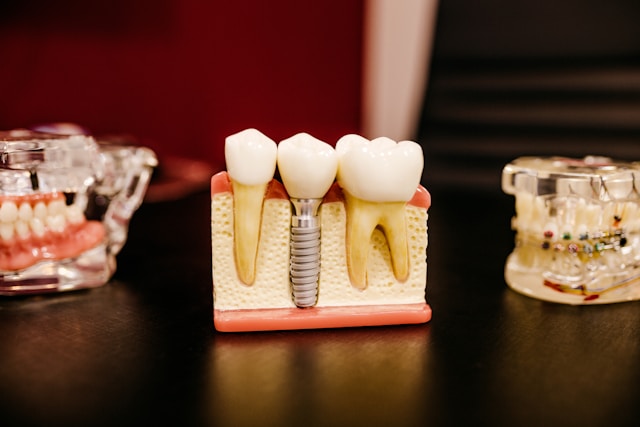
On surgery day, any remaining damaged teeth are extracted first. Your oral surgeon then places four implants per arch, with the two front implants positioned vertically and the back two angled up to 45 degrees. This angled placement is what makes All-on-4 unique — it allows the surgeon to avoid sinus cavities in the upper jaw and nerve channels in the lower jaw, often eliminating the need for bone grafting procedures that would add months to your timeline.
The immediate attachment of a temporary prosthetic sets All-on-4 apart from traditional implants, where patients wait three to six months before receiving their permanent teeth. Your temporary bridge, made from lighter acrylic materials, is designed to protect the healing implants while allowing you to eat and speak normally. However, this phase requires careful dietary restrictions — soft foods only for the first six weeks — because excessive force can disrupt the critical integration process happening beneath the surface.
The permanent prosthetic replacement occurs after three to four months, once osseointegration — the biological fusion of titanium and bone — has sufficiently progressed. This final restoration, typically made from stronger materials like zirconia or porcelain-fused-to-metal, represents the functional endpoint that patients will rely on for years to come. The quality of this integration period often determines long-term success more than the surgery itself.
Which Factors Influence How Long All-on-4 Implants Last?
The lifespan of all-on-4 dental implants depends heavily on variables that become apparent only after the procedure is complete. While the titanium posts themselves are designed to last indefinitely, the biological and mechanical factors surrounding them create a complex environment where some implants thrive for decades while others encounter problems within the first few years.
How Patient Health and Habits Impact Longevity
Your systemic health plays a larger role in implant longevity than many patients realize. Diabetics, for example, face slower healing times and increased infection risk, particularly if their blood sugar isn’t well-controlled during the critical first months. The American Diabetes Association’s guidelines suggest maintaining HbA1c levels below 7% before elective oral surgery, as higher levels significantly increase the risk of osseointegration failure.
Smoking represents the single biggest controllable threat to implant survival. Nicotine constricts blood vessels around the healing implant sites, reducing the oxygen and nutrients needed for bone integration. Studies tracking long-term implant success show failure rates two to three times higher among smokers, with the difference becoming more pronounced over time. Even patients who quit after surgery show improved outcomes compared to those who continue smoking.
Age itself isn’t a limiting factor — many patients in their seventies and eighties achieve excellent long-term results — but the bone density changes that come with aging, particularly in postmenopausal women, can affect initial stability. Patients with osteoporosis often require longer integration periods and may benefit from medications that support bone formation during the healing phase.
Role of Implant Materials and Surgical Techniques
The quality of osseointegration depends significantly on surgical precision during placement. Implants that are placed too deeply, at incorrect angles, or in insufficient bone create mechanical stress that can lead to early failure. The angled placement of posterior implants in All-on-4 requires particular expertise — when done correctly, it distributes chewing forces evenly, but slight miscalculations can create pressure points that weaken the bone-implant interface over time.
Modern All-on-4 implants feature surface treatments designed to encourage bone growth, typically using roughened titanium surfaces or bioactive coatings. However, these advances only benefit patients if the initial placement achieves primary stability — the immediate mechanical grip between implant and bone that serves as the foundation for biological integration.
The prosthetic design also influences longevity. Full-arch restorations that properly distribute bite forces across all four implants tend to last longer than those that create uneven loading patterns. This is why the temporary period is so critical — it allows your oral surgeon to identify any bite irregularities and adjust the permanent restoration accordingly.
What Are Common Complications That Affect Implant Life?
While All-on-4 implants boast success rates above 90% in most studies, the complications that do occur often follow predictable patterns that can significantly shorten implant lifespan if not addressed promptly. Understanding these potential problems helps explain why some patients enjoy decades of trouble-free function while others require interventions within the first few years.
Peri-implantitis represents the most serious long-term threat to implant survival. This inflammatory condition affects the tissues surrounding the implant, similar to periodontal disease around natural teeth, but progresses more rapidly and aggressively. Unlike natural teeth, which have a periodontal ligament that helps contain infection, implants connect directly to bone, allowing bacteria to spread quickly along the titanium surface. Early signs include bleeding around the implant site, persistent bad taste, or slight loosening of the prosthetic — symptoms that patients often dismiss as minor issues.
The bacterial environment around implants differs from that around natural teeth, making traditional oral hygiene approaches less effective. Specific bacteria that thrive on titanium surfaces can colonize poorly maintained implant sites within months, creating biofilms that resist both home care and professional cleaning. Once established, peri-implantitis typically requires surgical intervention to remove infected tissue and decontaminate the implant surface.
Mechanical complications present another category of problems that can compromise implant longevity. The screws that attach the prosthetic to the implants can loosen over time, particularly in patients who grind their teeth or have uneven bite patterns. While screw loosening isn’t immediately dangerous, it creates micro-movement that can damage the bone-implant interface and allow bacteria to penetrate the connection.
Prosthetic fractures, while repairable, often signal underlying problems with bite forces or implant positioning. Patients who experience repeated fractures of their All-on-4 restoration may have biomechanical issues that will continue to stress the system until addressed. In some cases, this requires modification of the prosthetic design or even additional implant placement to better distribute forces.
Implant failure — the complete loss of osseointegration — occurs in roughly 5-10% of cases, typically within the first year. Late failures, those occurring after successful integration, often result from trauma, severe infection, or systemic health changes that compromise bone maintenance around the implants. While individual implant failure doesn’t necessarily doom the entire All-on-4 system, it can compromise the distribution of forces and may require replacement or modification of the treatment approach.
How Should You Care for Your All-on-4 Implants Long Term?
The daily maintenance routine that determines implant longevity differs significantly from caring for natural teeth, requiring specific tools and techniques that many patients don’t learn until problems develop. Unlike natural teeth, which can tolerate occasional lapses in care, implants require consistent, methodical cleaning because the bacterial environment around titanium surfaces becomes problematic more quickly than around natural tooth roots.
Water flossers have become essential tools for All-on-4 maintenance because traditional floss cannot effectively reach the spaces beneath the prosthetic bridge. The pulsating water action helps dislodge food particles and bacteria from areas that are impossible to clean with brushes alone. However, water pressure must be calibrated correctly — too gentle, and it won’t remove biofilm; too aggressive, and it can drive bacteria deeper into the tissues around the implants.
Antimicrobial mouth rinses play a more important role in implant care than in natural tooth maintenance. Chlorhexidine rinses, typically prescribed for short-term use after surgery, may be recommended for longer periods in patients showing early signs of peri-implant inflammation. Some practitioners recommend prescription-strength fluoride rinses to help maintain the health of any remaining natural teeth, as mixed dentitions create additional bacterial challenges.
Professional maintenance visits require more frequency and different procedures than routine dental cleanings. Titanium surfaces require specialized instruments — traditional metal scalers can scratch implant surfaces, creating rough areas where bacteria accumulate more easily. Most hygienists use plastic or carbon fiber instruments specifically designed for implant maintenance, combined with ultrasonic devices that can remove biofilm without damaging the implant surface.
The prosthetic itself requires periodic removal for thorough cleaning and inspection. This typically occurs annually and allows your dental team to evaluate the condition of the implants, check for any mechanical loosening, and professionally clean areas that are inaccessible during routine visits. During these appointments, bite adjustments can be made to ensure even force distribution across all implants.
Lifestyle modifications become particularly important for implant longevity. Patients who continue eating extremely hard foods — ice, nuts, hard candies — put mechanical stress on both the prosthetic and the implants that can lead to fractures or loosening over time. Similarly, habits like teeth grinding require intervention through night guards or other protective devices, as the forces involved can exceed the design limits of the implant system.
What Are the Alternatives to All-on-4 Implants? How Do They Compare?
When evaluating longevity expectations, All-on-4 implants occupy a middle ground between traditional removable dentures and conventional implant-supported restorations. Understanding how these alternatives age helps put the 15-25 year typical lifespan of All-on-4 systems into perspective.
Conventional dentures require replacement every five to seven years on average, as the underlying bone continues to remodel and shrink without tooth roots to maintain its structure. While the initial cost is significantly lower — often $1,000-3,000 compared to $15,000-30,000 for All-on-4 — the ongoing replacement costs and progressive bone loss make dentures more expensive over a twenty-year period for most patients.
Traditional implant approaches, which place six to eight implants per arch instead of four, typically last longer than All-on-4 systems because forces are distributed across more implants. However, they require longer treatment timelines, often involving bone grafting procedures that add months to the process and thousands to the cost. The additional implants also create more potential failure points and require more complex maintenance routines.
For patients considering All-on-4 implants, the longevity question ultimately comes down to realistic expectations and commitment to maintenance. Those who maintain excellent oral hygiene, avoid smoking, and follow professional care recommendations can expect their implants to last well into their second decade. However, patients who struggle with home care routines or have systemic health conditions that affect healing may find that alternative approaches better match their long-term needs and capabilities.











Add Your Comment