


An exhaust setup can sound right and still make the car harder to live with. That’s the part people don’t notice until a few drives in. The tone hits, the volume feels right at idle, and everything seems dialed. Then highway cruising starts to wear on you, or low-speed driving feels rougher than it used to.
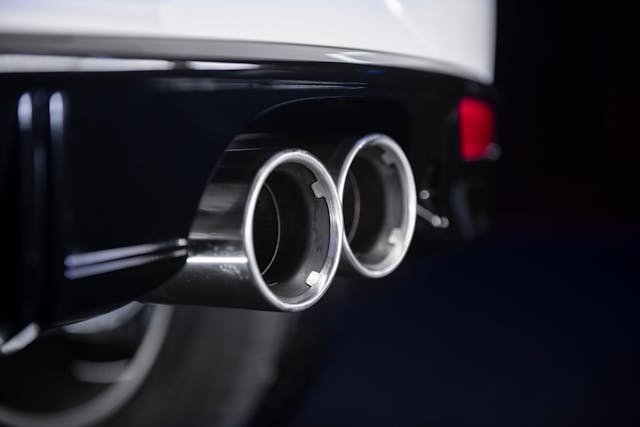
The issue usually isn’t the exhaust itself. It’s how the system behaves across different conditions, not just during a quick rev in the driveway.
Sound at Idle Doesn’t Predict How It Feels on the Road
Most setups are judged while the car is stationary.
That only tells you how it sounds in one condition. Once you start driving, engine load changes, RPM ranges widen, and the tone shifts. What felt controlled at idle can become overwhelming at cruising speed.
That’s where a lot of setups lose balance. They were tuned for the moment you hear first, not the ones you spend the most time in.
Drone Builds Where You Least Expect It
Drone doesn’t always show up during short drives.
It tends to appear at steady speeds, where the engine sits in a narrow RPM range for longer periods. That’s when certain frequencies start to resonate inside the cabin.
You don’t notice it immediately. After a while, it becomes tiring, even if the exhaust doesn’t seem especially loud.
Pipe Diameter Affects More Than Volume
Larger piping is often associated with better flow.
It also changes how the car responds at lower speeds. If the diameter is too large for the setup, exhaust velocity drops, which can soften throttle response in daily driving.
That tradeoff doesn’t show up during aggressive driving. It shows up when you’re just moving through traffic.
Muffler Design Shapes How Sound Is Managed
Not all mufflers handle sound the same way.
Some reduce volume by absorbing sound, others redirect it. That difference affects how the exhaust behaves across RPM ranges. A setup that sounds deep at low RPM might become sharp or uneven higher up.
Balancing that transition matters more than focusing on a single tone.
Resonators Help More Than People Think
Resonators are often removed to increase volume.
They also play a role in controlling unwanted frequencies. Without them, certain tones can become more pronounced, especially under steady load.
Adding or keeping a resonator doesn’t take away performance in most cases. It helps smooth out how the exhaust behaves over time.
Heat and Expansion Affect Sound Consistency
Exhaust systems don’t stay in one state.
As they heat up, materials expand and sound changes slightly. A setup that feels controlled when cold can open up more than expected after a longer drive.
That shift is normal, but it needs to be considered when tuning for consistency.
Placement and Routing Influence Cabin Experience
Where the exhaust runs affects what you hear inside the car.
Routing close to the cabin or under certain sections can amplify specific frequencies. Even small changes in positioning can alter how sound travels into the interior.
That’s why two similar setups can feel different once installed.
Supporting Mods Change How the Exhaust Behaves
An exhaust system doesn’t operate on its own.
Intake changes, tuning adjustments, and other modifications all influence how it performs. With a Corvette exhaust, these interactions can shift both sound and response in ways that aren’t obvious during initial setup.
Ignoring those connections leads to setups that feel inconsistent across conditions.
What Helps Maintain Driveability
- Keep pipe diameter matched to the engine’s actual output
- Use resonators to control unwanted frequencies
- Choose mufflers based on how they behave across RPM ranges
- Pay attention to routing and how it affects cabin sound
- Test the setup under steady driving, not just acceleration
These adjustments don’t reduce performance. They make it usable in more situations.
The Right Setup Feels Balanced Across Conditions
A well-tuned exhaust doesn’t draw attention all the time.
It sounds right when you push the car, but it settles when you’re just driving. It doesn’t introduce new vibrations or make long drives uncomfortable.
That balance usually isn’t obvious during the first impression. It shows up after you’ve driven enough to notice what stays consistent and what doesn’t.











Add Your Comment