


A sign can be impossible to miss and still fail the moment someone needs it. That’s the part that doesn’t show up during planning. On paper, everything looks clear. In motion, people catch pieces of information, not the whole message, and they move on before it fully registers.
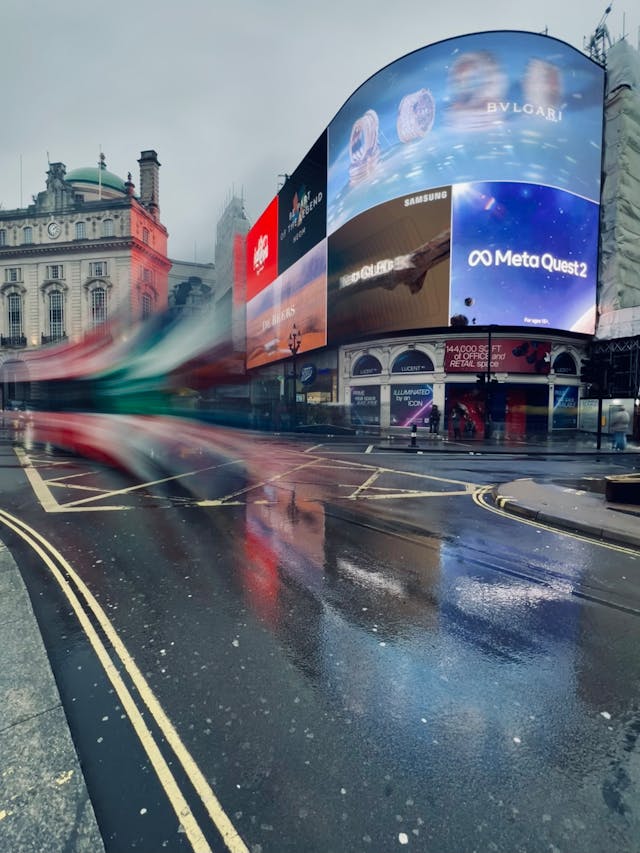
That gap is where confusion starts. Not because the sign wasn’t seen, but because it didn’t land at the right moment in a usable way.
People Move Before They Fully Read
Most navigation happens mid-step.
Someone glances, picks up a word or an arrow, then keeps going. They don’t pause unless something feels off. If the sign requires a second look to make sense, it’s already behind them.
What matters isn’t whether the sign can be read. It’s whether it can be used in a split second without slowing down.
Timing Beats Visibility Almost Every Time
A sign placed too late creates more work.
You reach a junction, make a choice, and then notice the sign that should have guided that decision. At that point, it becomes correction instead of direction. Some people turn back. Others keep going and hope it works out.
Earlier placement, even with less visual impact, tends to prevent that situation altogether.
Familiar Words Carry More Weight Than Precise Ones
Accuracy doesn’t always help under pressure.
If a label doesn’t match what someone expects to see, they hesitate. That hesitation might only last a second, but it’s enough to break movement. Once that happens, people look for confirmation from someone nearby instead of trusting the sign.
Clarity often comes from using the language people already have in mind.
Visual Noise Cancels Out Strong Design
A clear sign loses strength when everything around it competes for attention.
Posters, notices, and additional directions all pull focus away. People don’t sort through each element carefully. They take a quick look, miss what matters, and move on.
In that setting, making one sign bigger doesn’t solve the problem. It just joins the noise.
Too Much Emphasis Levels Everything
When every sign tries to stand out, none of them do.
Bold colors, large text, and high contrast work best when used selectively. If every direction uses the same visual weight, people stop distinguishing between primary and secondary information.
That flattening effect makes it harder to find what matters quickly.
Movement Changes What Gets Remembered
People remember fragments, not full instructions.
A word, a color, a symbol, something that confirms they’re on the right path. If the system relies on full comprehension, it asks more than most people can give while moving.
Designing for fragments often works better than designing for complete reading.
Confirmation Keeps Doubt From Building
Even a clear first step isn’t enough on its own.
As people move, they look for small signs that they’re still heading the right way. If they don’t see that confirmation, doubt starts to build. That doubt doesn’t mean they’re lost yet, but it makes them more likely to stop and ask.
Reinforcement reduces that quiet uncertainty.
Maps Often Ask for Too Much in the Moment
Maps require orientation and interpretation.
In calm situations, that’s manageable. In motion, it feels slow. If someone has to figure out where they are on the map before using it, they often abandon it.
At that point, the visible map hasn’t helped. It’s added another step.
Clarity Comes From Systems
A sign works best when it isn’t doing all the work alone.
The layout, the spacing between cues, and the overall flow of the space all contribute to how easy it is to move through. When those elements align, the sign feels obvious. When they don’t, even strong design struggles.
That’s where signage and wayfinding solutions shift from isolated pieces to connected systems.
Small Adjustments That Change How Signs Get Used
- Place direction before the decision point, not after
- Reduce competing elements around key signage
- Use language people recognize immediately
- Repeat direction in small, consistent ways
- Keep the main message visually dominant
These changes don’t necessarily make signs more noticeable. They make them easier to act on.
Clarity Shows Up in Movement
You can’t always tell if something is clear just by looking at it.
You see it in how people move through the space. Fewer stops, fewer wrong turns, fewer moments where someone hesitates and scans the area.
That shift doesn’t come from making signs easier to see. It comes from making them easier to use at the exact moment they’re needed.











Add Your Comment