


For many parents, the idea of overnight camp brings a mix of excitement and hesitation. Part of it is practical. Part of it is emotional. Even when a child seems interested, it can still be difficult to know whether they’re truly ready for the experience.
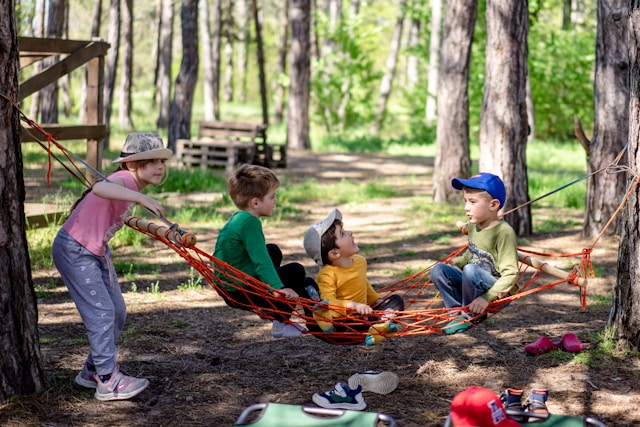
The thing is, readiness rarely appears all at once. It usually shows up in smaller ways first. A child becomes more comfortable spending time away from home. They start asking questions about camp life or show curiosity about trying something new on their own. That’s often where the conversation begins.
Your Child Handles Short Periods Away From Home Well
One of the clearest signs of camp readiness tends to appear long before camp is even discussed. A child who can spend a weekend with relatives, stay over at a friend’s house, or take part in a school trip without becoming overwhelmed is already building the emotional foundation that overnight camp requires.
That doesn’t mean they need to be completely independent. Missing home is normal. Even children who are genuinely excited about camp can still feel emotional at certain points. What matters more is whether they’re able to settle back into the experience after those feelings pass.
Short periods away from home often help children realize they can adapt more easily than they expected. They begin to trust that familiar routines will still be there when they return. That reassurance can make an overnight camp feel less intimidating when the time comes.
Camp experiences often help children build independence and social growth in lasting ways. Still, those benefits tend to develop more smoothly when a child has already had some practice being away from home in smaller settings first.
Your Child Shows Interest in New Experiences and Independence
Readiness often begins with curiosity. Some children start asking questions about what camp cabins look like, what activities happen during the day, or whether they’ll meet new friends there. Those questions may seem casual, though they usually point to a growing interest in independence.
Children who are ready for overnight camp are often open to unfamiliar experiences. They may want to try new activities, spend time in different environments, or take on small responsibilities without needing constant reassurance along the way.
At that stage, many parents begin casually researching different camp environments to help their child picture the experience more clearly. Some families might explore options like overnight summer camps in southern California simply to get a sense of the atmosphere, activities, and overall structure before making any decisions.
Excitement alone isn’t always enough, though genuine curiosity matters. When a child shows interest in exploring something beyond their usual routine, it often signals emotional readiness beginning to take shape.
Your Child Can Communicate Needs and Emotions Clearly
Overnight camp asks children to speak up in small but important ways. They may need to ask for help, explain when something feels uncomfortable, or communicate with counselors and cabinmates throughout the day.
That doesn’t mean a child has to be outgoing. Quiet children can do very well at camp. What matters is whether they can express basic needs clearly enough to feel supported while they’re away from home.
Children who are able to talk about emotions, even in simple ways, often adjust more easily to new environments. A child who can say they’re nervous, tired, frustrated, or homesick gives adults the opportunity to help before those feelings grow larger.
Helping children build emotional awareness and communication skills can improve how they handle unfamiliar situations and transitions. Overnight camp tends to work best when children already feel somewhat comfortable expressing themselves when needed.
Your Child Can Adapt When Things Don’t Go Exactly as Planned
Camp life rarely unfolds perfectly every single day. Activities change because of the weather. Cabin groups take time to adjust. Sometimes children try something they expected to enjoy and realize they don’t enjoy it quite as much after all.
That flexibility matters more than parents sometimes expect. Children who can recover after disappointment, adapt to changes in routine, or move past small frustrations often have an easier time settling into camp life overall.
Adaptability doesn’t always look dramatic. Sometimes it’s simply a child being willing to try again after an awkward moment or accepting that things may feel unfamiliar at first. Those smaller responses say a lot about emotional readiness.
Building resilience and adaptability can be especially helpful during new experiences and transitions. Overnight camp naturally introduces both, though children who already show some flexibility usually navigate those moments more comfortably.
Your Child Is Open to Building New Relationships
Social readiness plays a significant role in how children experience overnight camp. A child doesn’t need to become instant friends with everyone around them, though being open to connection makes the adjustment process easier.
Camp places children in shared spaces throughout the day. They eat together, participate in activities together, and spend long stretches of time around peers they may not know beforehand. That environment naturally encourages interaction, even for children who are initially reserved.
Children who tend to enjoy group settings, team activities, or collaborative experiences often adapt well because they’re comfortable participating alongside others. They may still feel nervous at first, though they’re generally willing to engage once they settle in.
Over time, those shared experiences help children build relationships in a way that feels more natural than forced. Many parents are surprised by how quickly those connections begin to form once children are fully immersed in camp life.
Readiness Often Looks Different Than Parents Expect
There’s rarely a perfect moment when a child suddenly seems completely ready for overnight camp. More often, readiness appears gradually through curiosity, adaptability, growing independence, and a willingness to try something unfamiliar.
Parents usually know their child best. Paying attention to those smaller signs often says more than focusing on age alone. And sometimes, children are more capable of handling new experiences than adults initially expect.











Add Your Comment