


Black credit cards are instantly recognizable. Their matte or glossy jet-black finish and minimalist design give off an air of sophistication, and it’s this quality that makes them stand out when handed over for payment. Because of this sleek, understated look, many Filipinos perceive black credit cards as symbols of wealth, reserved only for the rich and powerful.
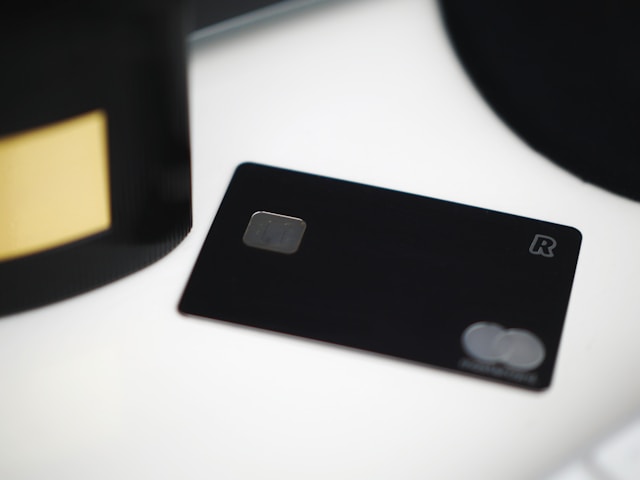
However, much of that perception stems from outdated assumptions. While black credit cards once signified elite financial status, the modern reality is more inclusive. These cards are no longer limited to a select few. They’ve evolved into more accessible tools designed for convenience, rewards, and responsible financial management. It’s time to separate fact from fiction and uncover the truth behind the myths that make black credit cards seem “too elite.”
Myth #1: Black Credit Cards Are Only for the Ultra-Rich
For years, black credit cards have been seen as the ultimate financial status symbol. The card’s premium look and reputation for exclusivity have led many to assume it’s reserved only for those living extravagant lifestyles.
In reality, this perception no longer matches how financial institutions view black credit cards today. These cards are now designed for individuals who demonstrate consistent financial responsibility and thoughtful spending habits. The black credit limit on a card like Maya Black may still be higher than standard cards, but it’s typically based on verified financial capacity and responsible credit use, and not just social status.
Myth #2: Black Credit Cards Are by Invitation Only
There was a time when black credit cards seemed almost mythical or something you could only get if a bank noticed you and extended an exclusive invitation. Times have changed since then. While a handful of ultra-premium cards abroad still follow that model, most black-tier options in the Philippines are now open to application.
This shift shows how banks are adapting to a new generation of consumers who value transparency. Instead of depending on secretive selection processes, financial institutions now set clear requirements based on credit standing and overall financial responsibility. For Filipinos who maintain good credit and steady income, the path to getting a black credit card is now much clearer and more attainable than ever before.
Myth #3: You Need a Million-Peso Salary to Qualify
Another widespread misconception is that black credit cards are only for those earning a seven-figure income every year. While income plays a role in the approval process, it’s just one part of a bigger picture. Financial institutions look at factors such as your credit history, repayment consistency, and overall financial behavior. Someone with a steady income, low debt levels, and a solid record of on-time payments can be just as qualified as someone with a higher salary. This approach reinforces the idea that financial discipline and not income alone determines who’s truly ready for a premium card.
Myth #4: Black Credit Cards Are Only for Frequent Travelers or Business Owners
It’s easy to assume that black credit cards exist mainly for people who fly often or run businesses with high transaction volumes. That belief made sense in the past, as many of the original black card perks revolved around air miles, hotel upgrades, and travel insurance. However, modern black-tier cards now cater to much broader spending habits.
Cardholders can enjoy perks like cashback on everyday purchases, restaurant discounts, or exclusive online shopping deals. Some even include benefits tied to digital subscriptions or fuel purchases, which are features that reflect the lifestyle of today’s professionals and families. This evolution shows that black credit cards have become versatile tools for different lifestyles and financial goals.
Myth #5: Only Traditional Banks Offer Black Credit Cards
For a long time, these cards were available only through established banks that catered to long-time clients. The financial landscape has changed significantly in recent years.
BSP-licensed digital banks have entered the market, giving Filipinos more accessible options for premium credit cards. These institutions combine the prestige of black-tier cards with the convenience of digital banking. Applicants can now complete the entire process online without setting foot in a bank branch.
Beyond ease of access, digital banks also enhance the experience of credit card ownership with modern features such as real-time spending notifications and contactless payments. Since these banks operate under the supervision of the Bangko Sentral ng Pilipinas (BSP), users can trust that their transactions remain secure and regulated.
Myth #6: You Need to Spend a Lot to Be Worthy of a Black Credit Card
Many people also have a lingering misconception that owning a black credit card means constantly spending large amounts to maintain their status or make the card “worth it.” While these cards often come with rewards and perks that favor active use, high spending isn’t a requirement to prove your eligibility or value as a cardholder.
Black credit cards today are more about lifestyle alignment, not luxury for luxury’s sake. They’re best suited for individuals who understand their financial goals and know how to use credit as a tool to reach them. The idea is to spend smarter.
Beyond the Black Card Mystique
Black credit cards have moved past the stereotypes that once surrounded them. They’re no longer exclusive to the ultra-wealthy or limited to invitation-only members. Today, these cards are more inclusive, and they offer practical benefits to users who value smart credit management. Rather than viewing them as “too elite,” Filipinos can see black credit cards as flexible financial tools that fit modern lifestyles. The color of a black card may still convey prestige, but what truly defines an elite cardholder is responsible and mindful use.











Add Your Comment