


The American Dental Association’s 2023 survey revealed that 74% of adults believe an unattractive smile can hurt their career prospects — yet cosmetic dentistry continues to grow at unprecedented rates, with procedures increasing by 30% since 2020. This surge reflects more than vanity; it represents a fundamental shift in how people understand the connection between appearance, function, and overall well-being.
Modern cosmetic dentistry has evolved far beyond simple teeth whitening. Today’s procedures address complex issues that affect both aesthetics and oral health, from bite alignment to speech clarity. As dental technology advances and minimally invasive techniques become more accessible, the line between cosmetic enhancement and functional improvement continues to blur. For anyone considering cosmetic dental work, understanding these dual benefits — psychological and physiological — reveals why millions of people are investing in their smiles as a pathway to better health and greater confidence.
How Cosmetic Dentistry Boosts Confidence and Well-Being
The psychological impact of a transformed smile extends far beyond the mirror. When someone feels self-conscious about their teeth, they unconsciously modify their behavior — covering their mouth when laughing, speaking less in meetings, or avoiding social photographs. These small adjustments accumulate over time, creating patterns that can limit personal and professional opportunities.
Research from the Journal of Cosmetic Dentistry shows that patients report significant improvements in social confidence within weeks of completing cosmetic treatments. The change isn’t just about appearance; it’s about the freedom to express themselves naturally. Consider someone who’s spent years avoiding genuine laughter because of discolored or crooked teeth. After treatment, that same person discovers they’re more willing to speak up in conversations, participate in work presentations, and engage in social activities they previously avoided.
The ripple effects touch multiple areas of life. Professional interactions often improve as people project more confidence during interviews, client meetings, and networking events. Personal relationships benefit when individuals feel comfortable being genuinely expressive rather than guarded about their appearance. Even mundane activities like ordering food at restaurants or asking questions in public become less stressful when you’re not worried about how your smile looks.
The psychological benefits often surprise patients with their intensity. Many describe feeling “like themselves again” or discovering confidence they didn’t realize they’d lost. This emotional transformation frequently motivates better oral hygiene habits, creating a positive cycle where improved appearance leads to better care, which maintains and enhances the results over time.
Functional and Oral Health Advantages of Cosmetic Dentistry
While the confidence boost gets most of the attention, cosmetic procedures often deliver substantial functional improvements that enhance daily life. Many treatments that improve appearance simultaneously correct underlying issues that affect chewing, speech, and long-term oral health.
Take dental veneers, for example. Beyond creating a uniform, attractive smile, veneers can correct minor bite irregularities that cause uneven tooth wear. When teeth don’t meet properly, some bear excessive pressure while others remain underused, leading to premature damage, jaw strain, and digestive issues from inadequate chewing. Veneers can redistribute bite forces more evenly, reducing these problems while creating the desired aesthetic result.
Teeth alignment improvements through cosmetic treatments address functional challenges that many people don’t connect to their oral health. Crowded or misaligned teeth create spaces that are difficult to clean thoroughly, leading to plaque buildup, gum disease, and eventual tooth loss. Cosmetic alignment procedures — whether through clear aligners or strategic reshaping — make oral hygiene more effective, reducing the risk of serious dental problems down the road.
Speech clarity often improves as well, particularly for people with gaps between front teeth or severely worn enamel. These structural issues can cause lisping, whistling sounds, or difficulty pronouncing certain consonants. Professional cosmetic dentistry addresses these challenges by restoring proper tooth shape and position, helping patients speak more clearly and confidently.
The structural support provided by cosmetic restorations shouldn’t be overlooked. Dental implants, for instance, prevent the bone loss that occurs when tooth roots are missing. This preservation maintains facial structure and prevents the sunken appearance that can develop over time. Crown lengthening procedures can expose more healthy tooth structure, making teeth easier to restore and maintain long-term.
Top Cosmetic Dental Treatments and Their Benefits
Porcelain veneers and professional teeth whitening represent the most transformative cosmetic procedures available today, each addressing different aesthetic concerns while offering distinct functional advantages.
Veneers provide the most comprehensive smile transformation by covering the entire front surface of teeth with thin, custom-crafted porcelain shells. They simultaneously correct multiple issues — discoloration, chips, gaps, minor misalignment, and worn enamel — in a single treatment. The porcelain material resists staining better than natural tooth enamel, meaning the improved appearance lasts for decades with proper care. Beyond aesthetics, veneers add structural strength to weakened teeth and can improve bite alignment when strategically placed.
The precision involved in veneer creation allows for subtle adjustments that enhance facial harmony. Skilled cosmetic dentists analyze lip line, facial proportions, and gum architecture to design veneers that look natural while optimizing the overall appearance. Many patients are surprised to discover that slight changes in tooth length or shape can dramatically improve their entire facial aesthetic.
Professional teeth whitening, while simpler than veneers, delivers dramatic results that extend beyond color improvement. Modern whitening systems can remove years of staining from coffee, wine, tobacco, and natural aging, often lightening teeth by 6-8 shades in a single session. The psychological impact of dramatically whiter teeth frequently motivates better oral hygiene habits and dietary choices that support long-term oral health.
The key advantage of professional whitening over store-bought products lies in customization and safety. Dentists can adjust concentration levels based on tooth sensitivity, existing dental work, and desired results. Custom-fitted trays ensure even coverage and prevent the gum irritation common with one-size-fits-all strips. The controlled environment also allows for immediate adjustment if sensitivity occurs, making the process more comfortable and effective.
Differences Between Cosmetic and General Dentistry
Understanding the distinction between cosmetic and general dentistry helps clarify the unique value each approach provides. While general dentistry focuses primarily on treating disease and restoring basic function, cosmetic dentistry emphasizes optimizing appearance alongside maintaining or improving oral health.
The treatment philosophy differs significantly. General dentistry typically follows a problem-solving approach — addressing cavities, gum disease, or damaged teeth with the goal of eliminating pain and restoring basic function. Cosmetic dentistry takes a design-oriented approach, considering how each tooth contributes to the overall smile and facial aesthetics. This doesn’t mean cosmetic dentistry ignores health concerns; rather, it integrates health and beauty considerations from the planning stage.
Material choices reflect these different priorities. A general dentist might recommend a silver amalgam filling for a back molar because it’s durable and cost-effective. A cosmetic dentist would likely suggest a tooth-colored composite or ceramic restoration that provides similar durability while maintaining aesthetic appeal. Both choices address the cavity, but the cosmetic approach considers the long-term visual result.
The planning process also varies considerably. General dental treatment typically addresses immediate problems as they arise. Cosmetic dentistry often involves comprehensive treatment planning that considers how multiple procedures work together to achieve an ideal result. This might include whitening before placing veneers to establish the best color match, or correcting gum levels before addressing tooth shape.
Training and expertise requirements differ as well. While all dentists learn basic restorative techniques, cosmetic dentistry requires additional study in smile design, facial aesthetics, and advanced materials. Many cosmetic dentists pursue continuing education in photography, color theory, and artistic principles that inform their treatment decisions.
The timeline expectations also contrast sharply. General dental problems usually require prompt attention to prevent worsening. Cosmetic treatments can be planned and executed gradually, allowing patients to spread costs over time and adjust their treatment plan as needed.
Recent Advances and Future Trends in Cosmetic Dentistry
Digital technology has revolutionized cosmetic dental treatment, making procedures more precise, predictable, and comfortable than ever before. Digital smile design software now allows dentists to show patients exactly how their smile will look before any treatment begins, eliminating guesswork and ensuring satisfaction with the final result.
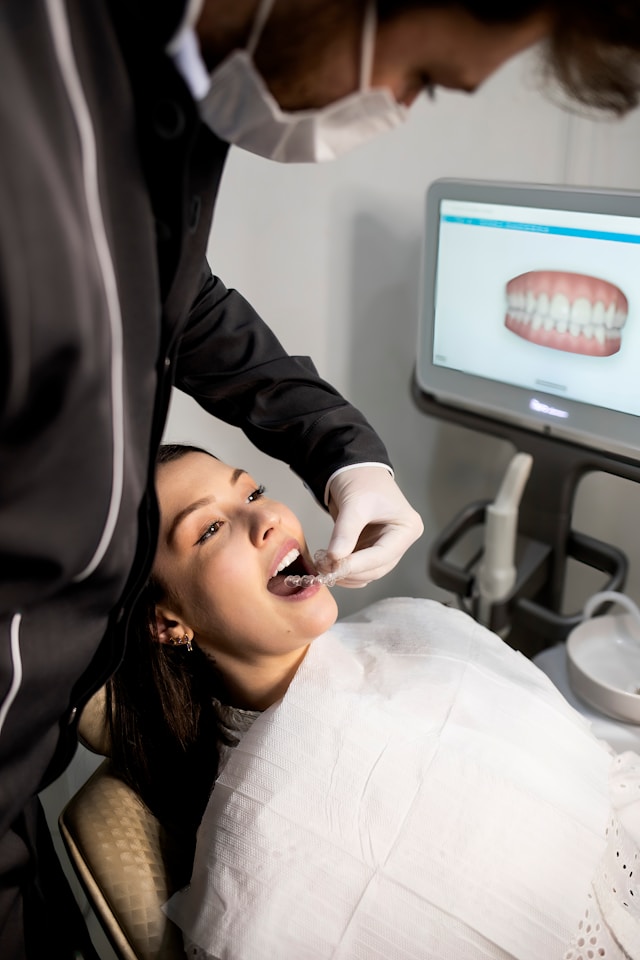
Intraoral scanners have replaced uncomfortable impression molds for many procedures, creating precise digital models that improve the fit and appearance of veneers, crowns, and aligners. These scanners capture details impossible to achieve with traditional impressions, resulting in restorations that require fewer adjustments and deliver better long-term results.
Minimally invasive techniques continue advancing, with some veneer procedures now requiring little to no tooth reduction. Ultra-thin veneers and no-prep options preserve more natural tooth structure while still delivering dramatic aesthetic improvements. This trend toward conservation reflects improved materials and techniques that achieve better results with less intervention.
Artificial intelligence is beginning to influence treatment planning as software analyzes thousands of successful cases to suggest optimal approaches for individual patients. While still in early stages, AI-assisted smile design promises to enhance the artistry of experienced cosmetic dentists while making excellent results more consistent across different practitioners.
The integration of 3D printing in dental labs has accelerated production times and improved precision for custom restorations. What once required multiple weeks can now be completed in days, reducing the time patients spend with temporary restorations and allowing for faster treatment completion.
Looking ahead, biocompatible materials that actively support tooth health represent the next frontier. Research into remineralizing composites and antimicrobial coatings suggests future cosmetic restorations may not just improve appearance but actively strengthen and protect teeth over time. These developments point toward a future where the distinction between cosmetic enhancement and preventive care continues to diminish, offering patients the best of both worlds in a single treatment approach.











Add Your Comment