


Parents often wonder whether sending their child to camp is worth the investment, especially when it comes to personal growth and development. The experience can seem like just fun and games on the surface, but there’s actually much more happening beneath those activities. How do camps help children build confidence and independence?
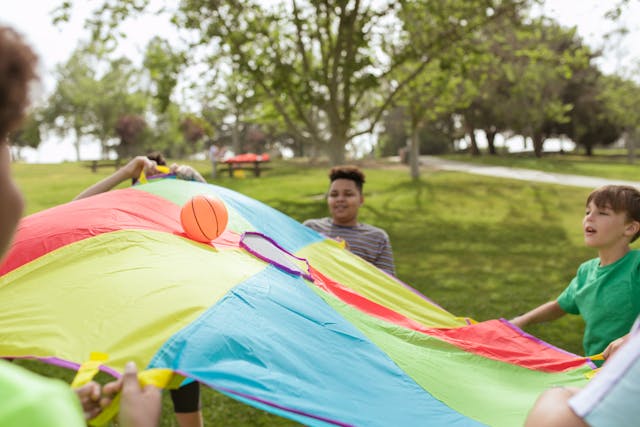
Camps create structured opportunities for children to make decisions, solve problems, and succeed without parental guidance. Through activities like navigating new social situations, mastering skills, and managing daily routines, kids develop self-reliance and belief in their abilities.
While that answer covers the basics, there’s a lot more to understand about the specific mechanisms at play. Different types of camp experiences impact confidence and independence in varying ways, and knowing these distinctions can help you choose the right environment for your child’s unique needs and personality.
What Specific Camp Experiences Build Confidence?
Confidence doesn’t just magically appear at camp—it’s built through specific types of experiences that push children slightly beyond their comfort zones. Physical challenges like rock climbing walls, high ropes courses, or learning to swim give kids tangible proof of their capabilities. When a child who was afraid of heights makes it to the top of the climbing wall, that’s a concrete achievement they can point to and say, “I did that.”
Social challenges are equally important for building confidence. Being placed in a cabin with unfamiliar peers forces children to introduce themselves, navigate conflicts without parental mediation, and find their place in a new social structure. Many camps intentionally mix age groups or separate friend groups to encourage kids to branch out and develop social skills they might not practice at home or school.
Skill-based activities also play a crucial role. Whether it’s archery, pottery, drama, or coding, camps offer opportunities to learn new skills in a low-pressure environment. Unlike school where grades are on the line, camp activities focus on progress and effort. This allows children to take risks, make mistakes, and improve without the fear of failure that can stifle confidence in other settings.
How Do Camps Foster Independence In Daily Living?
The most immediate way camps build independence is through managing daily routines without parental help. Kids are responsible for waking up on time, getting themselves dressed, keeping track of their belongings, and maintaining personal hygiene. These might seem like small tasks, but for children who are used to parental reminders and assistance, taking ownership of these responsibilities represents a significant step toward self-sufficiency.
Camps also require children to make countless small decisions throughout the day. Which activity should they choose during free time? Should they sit with new friends at lunch or stick with familiar faces? Do they need to grab a sweatshirt before heading outside? These micro-decisions add up to create a sense of agency and autonomy that many children don’t experience in their highly structured home and school lives.
The experience of being away from parents for an extended period is perhaps the most powerful independence-builder. Children learn that they can handle problems, manage emotions, and meet their own needs without immediately turning to mom or dad. This realization—that they are capable of functioning on their own—is transformative and often carries over into other areas of their lives long after camp ends.
Does Camp Type Matter For Building Confidence And Independence?
Different types of camps offer varying opportunities for personal growth, and the right fit depends on your child’s personality and developmental needs. Traditional overnight summer camps that last one to several weeks provide the most immersive independence experience since children are fully separated from their families. The extended duration of overnight summer camps creates consistent opportunities for children to practice decision-making and self-reliance without the safety net of returning home each evening. When choosing between day programs and overnight summer camps, consider that the residential experience typically accelerates confidence-building through round-the-clock responsibility for personal care and social navigation.
Specialty camps focused on specific interests—like sports, arts, or STEM—can be particularly effective for building confidence in children who already have some passion or ability in that area. Experiencing success and recognition in something they care about can create a confidence foundation that extends to other areas of life. However, these camps may offer fewer opportunities to try completely new things compared to traditional multi-activity camps.
Adventure or wilderness camps tend to be especially powerful for building both confidence and independence because they involve higher-stakes challenges and more responsibility. Backpacking trips, wilderness survival skills, and expedition-style programs require children to push through discomfort, work as a team, and develop resilience. That said, these intense experiences aren’t right for every child, and some kids may build more confidence starting with less intimidating environments where they can gradually work up to bigger challenges.
At What Age Should Children Start Camp For Maximum Benefit?
The ideal age for starting camp depends more on individual readiness than a specific number, but most experts agree that ages 7-9 represent a sweet spot for many children. By this age, most kids have developed enough emotional regulation and social skills to navigate camp life without becoming overwhelmed. They’re old enough to understand that homesickness is temporary and can use coping strategies to work through uncomfortable feelings.
Younger children can absolutely benefit from camp experiences tailored to their developmental stage. Day camps for 4-6 year olds provide a gentler introduction to independence, allowing children to practice being away from parents without the overnight component. These early experiences can build a foundation of comfort with new environments and activities that makes the transition to overnight camp smoother when the time comes.
For children who haven’t had camp experience by their pre-teen years, it’s definitely not too late to start. Ages 10-13 can be an especially impactful time for camp since kids are naturally beginning to separate from parents and establish their own identities. However, older first-time campers may need shorter sessions or programs specifically designed for beginners, as being the only newcomer in a cabin full of camp veterans can feel intimidating rather than empowering.
What Signs Indicate Camp Is Successfully Building Your Child’s Confidence?
The most obvious indicators show up in how your child talks about camp and themselves. Listen for language that reflects growing self-efficacy—phrases like “I figured it out,” “I made a new friend,” or “I tried something I was scared of.” Children who are gaining confidence often come home with stories that highlight their own agency and problem-solving rather than just recounting what happened to them.
Behavioral changes at home can be even more telling than what kids say directly. Parents often notice that children returning from camp are more willing to tackle new challenges, handle frustration better, or take initiative with tasks they previously needed prompting to complete. Some kids start speaking up more in family discussions, advocating for themselves, or showing less anxiety about social situations at school.
It’s worth noting that not all positive signs are immediately obvious. Some children experience what’s called the “camp hangover”—a period of adjustment after returning home where they may seem moody or withdrawn. This isn’t necessarily a bad sign; it often means the child formed deep connections and is processing the experience of being independent. The real test comes in the weeks and months following camp, when the confidence and independence skills have time to integrate and show up in everyday situations.
Match Your Child With the Right Camp
Engage your child in a thoughtful discussion about camp activities and settings that spark their enthusiasm. Consider their unique personality traits, where they are developmentally, and how they typically respond to new experiences, then target 2-3 camps designed to support those specific needs instead of choosing the closest or most well-known option. This careful alignment between child and camp creates the foundation for genuine transformation in their confidence levels and independent capabilities.











Add Your Comment