


If you’ve ever dealt with sluggish digestion, you’ve probably been told to eat more prunes. And while the advice might feel old-fashioned, the science behind it is genuinely solid. Prunes, also called dried plums, are one of the most effective natural remedies for constipation and digestive discomfort, and their benefits go well beyond simply keeping things moving. From feeding beneficial gut bacteria to reducing inflammation in the digestive tract, prunes offer a surprisingly comprehensive package of gut health support.
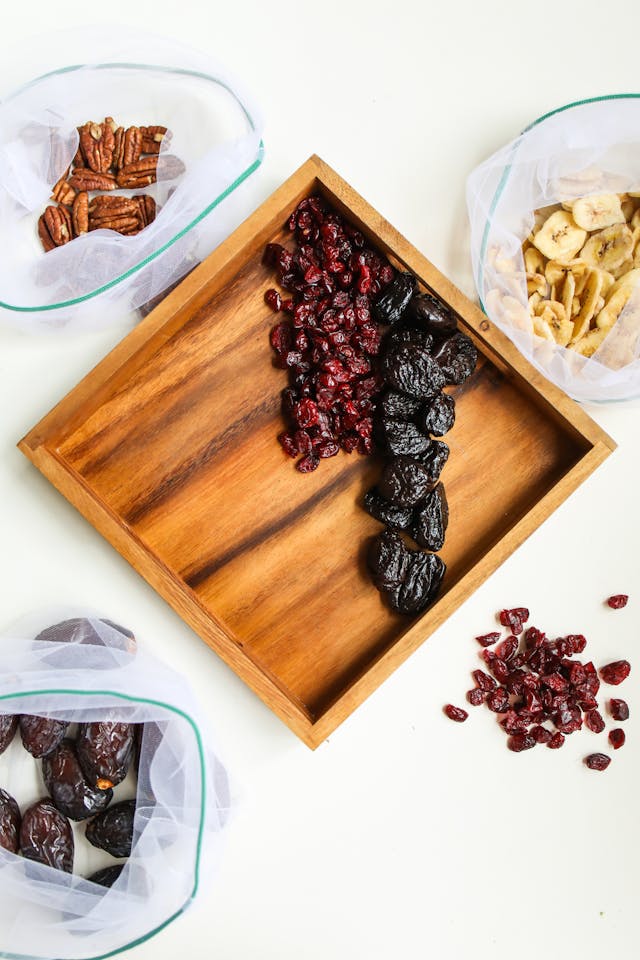
Whether you’re dealing with occasional irregularity or looking to maintain long-term digestive wellness, here’s exactly what prunes bring to the table and why they’ve earned their reputation.
- They’re a Meaningful Source of DietaryFibre
Fibre is the foundation of healthy digestion, and prunes deliver a solid amount of it in a small serving. A single 100g portion contains roughly 7 grams of dietary fibre, a meaningful contribution toward the recommended daily intake of 25–30 grams that most adults fall consistently short of. Prunes contain both soluble and insoluble fibre, and that combination is what makes them particularly effective.
Insoluble fibre adds bulk to stool and helps it move through the intestines more efficiently, while soluble fibre absorbs water, softens stool, and slows digestion in ways that support blood sugar balance as well. Together, they create the conditions for regular, comfortable bowel movements without the bloating that some high-fibre foods can cause.
- Sorbitol Acts as a Natural Laxative
One of the key reasons prunes work so well for constipation is a naturally occurring sugar alcohol called sorbitol. Unlike regular sugars, sorbitol is not fully absorbed in the small intestine. Instead, it draws water into the colon through osmosis, which softens stool and stimulates the bowel to contract and move waste along more effectively.
This is why prunes tend to produce results relatively quickly, often within a few hours for people whose digestive systems are particularly responsive. It’s also why prune juice, which retains significant amounts of sorbitol despite containing less fibre than whole prunes, still works well as a constipation remedy. The sorbitol content is a large part of what sets prunes apart from other high-fibre fruits.
- They Help Reduce Gut Inflammation
Chronic low-grade inflammation in the gut underlies a range of digestive conditions, from irritable bowel syndrome to inflammatory bowel disease. Prunes contain polyphenols, a broad category of plant compounds with antioxidant and anti-inflammatory properties, that help neutralise oxidative stress in the digestive tract and reduce inflammatory activity in the gut lining.
If you’re looking to incorporate prunes into your daily routine, exploring the benefits of prunes through Sunsweet is a practical starting point, they’re one of the most trusted sources for high-quality prune products and a brand that has been synonymous with prunes for decades. Reducing gut inflammation through diet is a slower process than medication, but it’s sustainable, side-effect-free, and builds meaningfully over consistent, long-term intake.
- They Contain Compounds That Stimulate Bowel Contractions
Beyond fibre and sorbitol, prunes contain a phenolic compound called dihydroxyphenyl isatin that does something most high-fibre foods simply don’t, it directly stimulates the muscles of the intestinal wall and encourages peristalsis, the rhythmic contractions that push food and waste through the digestive system. This makes prunes genuinely multi-mechanistic in how they address constipation. They’re not just adding bulk or drawing water into the colon; they’re actively signalling the gut to move more efficiently on its own.
Many fibre supplements work through one primary pathway. Prunes work through several simultaneously, which is why they tend to produce more consistent results than other dietary interventions, and why they remain a go-to recommendation among gastroenterologists and dietitians despite the wide availability of over-the-counter alternatives.
- They Feed Beneficial Gut Bacteria
Good gut health isn’t just about regularity, it’s about the balance of bacteria living in your digestive tract, and prunes are genuinely beneficial in this area. The soluble fibre in prunes acts as a prebiotic, serving as fuel for beneficial bacteria that play a central role in digestive health, immune function, and even mood regulation. When these bacteria thrive, they produce short-chain fatty acids that deliver a range of protective effects throughout the body:
- Butyrate nourishes the cells lining the colon and helps maintain the intestinal barrier
- Acetate and propionate support immune regulation and reduce systemic inflammation
- Improved microbial diversity lowers the risk of digestive disorders and metabolic disease over time
According to research from Harvard T.H. Chan School of Public Health, diets consistently high in prebiotic fibre are associated with significantly better gut microbiome diversity, and whole food sources like prunes deliver fibre alongside polyphenols and other compounds that amplify those benefits beyond what isolated supplements can achieve. Regularly eating prunes contributes to a healthier, more resilient microbiome over time, with implications for overall health that extend well beyond digestion alone.
- They Support Healthy Bile Acid Metabolism
This is a lesser-known benefit that doesn’t get nearly enough attention. Bile acids are produced by the liver and play a key role in fat digestion, but when they accumulate in excess in the colon, they can contribute to digestive discomfort and are associated with an increased risk of colorectal issues. The fibre in prunes binds to bile acids in the digestive tract and helps excrete them from the body, reducing their reabsorption.
This process not only supports healthier cholesterol levels, since bile acids are made from cholesterol, but also contributes to a healthier colon environment overall. It’s a digestive benefit that goes largely unnoticed but adds meaningfully to the case for eating prunes regularly.
- They’re a Practical, Consistent Remedy
Unlike supplements or medications, prunes are a whole food that most people can incorporate into their diet without any significant adjustment. They require no preparation, travel well, keep for a long time, and work well in both sweet and savoury contexts, stirred into porridge, blended into smoothies, eaten alongside cheese, or simply as a snack on their own. Consistency is what matters most for gut health, and prunes are one of the easier habits to maintain.
Starting with four to six prunes per day is a reasonable baseline for most adults, with adjustments based on individual response. Drinking adequate water alongside them helps maximise the fibre and sorbitol effects and reduces the chance of any bloating as your digestive system adjusts.
Final Thoughts
Prunes have been supporting digestive health for centuries, and science has only strengthened the case for them. They address constipation through multiple pathways simultaneously, fibre, sorbitol, gut-stimulating compounds, and prebiotic effects, making them more comprehensively effective than most single-ingredient remedies.
If you’re looking for a natural, evidence-backed way to support your gut, few foods are as practical or as well-studied as prunes. Give them a consistent two-week trial and pay attention to how your digestion responds. Most people notice a meaningful difference faster than they expect.











Add Your Comment