


Children need to run, jump, climb, and play without pain or limitation. When physical challenges interfere with these activities, professional intervention can make a meaningful difference. Physical therapy in Brownsburg, IN helps children overcome movement difficulties caused by injury, developmental delays, or medical conditions. Pediatric physical therapists specialize in treating infants, children, and adolescents. They use evidence-based techniques to improve gross motor skills, balance, coordination, and overall physical function. The goal is helping every child participate fully in home, school, and community life.
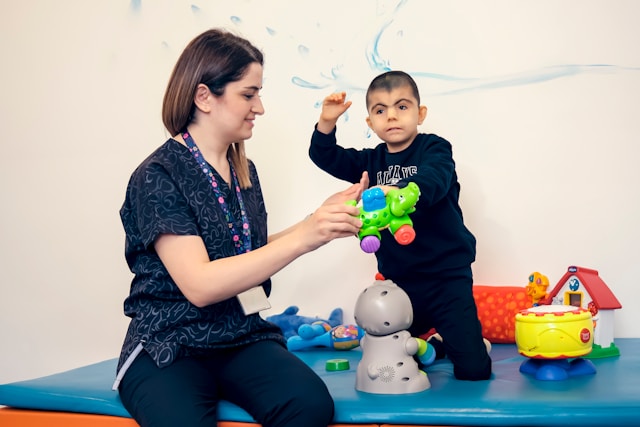
Families in Hendricks County have access to specialized pediatric care close to home. Physical therapy in Brownsburg, IN is available through clinics and providers dedicated to serving young patients. For example, K1ds Count Therapy (often referred to as KC Therapy) offers a multidisciplinary approach that includes physical therapy alongside occupational, speech, and mental health services for children of all diagnoses from birth through age 21. Understanding what pediatric physical therapy entails empowers parents to seek the right support at the right time.
Signs Your Child May Benefit from Pediatric Physical Therapy
Children develop motor skills at different rates. However, certain patterns indicate a need for professional evaluation. Watch for these signs across infancy, early childhood, and adolescence. Early identification leads to better outcomes.
Infants and Toddlers
Developmental milestones provide a roadmap for early motor skills. Delays or asymmetrical movement patterns warrant attention. Signs in this age group include:
- Not rolling over by six months: Rolling demonstrates core strength and coordination.
- Difficulty holding head up during tummy time: Weak neck and shoulder muscles affect future skills.
- Not sitting independently by eight to nine months: This requires trunk control and balance.
- Not crawling or bottom scooting by twelve months: Crawling builds strength and brain connections.
- Walking only on toes after age two: Persistent toe walking may signal tight muscles or sensory issues.
- Favoring one side of the body consistently: Asymmetry can indicate muscle weakness or neurological concerns.
Preschool and School-Age Children
As children grow, motor challenges become more apparent during play and daily activities. Common indicators include:
- Frequent tripping or falling: Poor balance or coordination affects safety.
- Difficulty climbing stairs or playground equipment: Weakness or motor planning issues limit participation.
- Avoiding physical activities with peers: Children may withdraw to prevent embarrassment or fatigue.
- Complaining of leg pain or fatigue after short walks: This can signal muscle weakness or orthopedic issues.
- Awkward running gait: Inefficient movement patterns waste energy and increase injury risk.
Adolescents and Young Athletes
Older children face unique physical demands from sports and growth spurts. Watch for these signs:
- Recurring injuries or pain during sports: Underlying biomechanical issues often contribute.
- Difficulty keeping up with teammates: Endurance or strength deficits may exist.
- Poor posture or complaints of back pain: Growth-related changes can stress the spine.
- Delayed return to activity after an injury: Professional guidance ensures safe recovery.
If any of these signs sound familiar, a physical therapy evaluation provides clarity and direction.
How Pediatric Physical Therapy Works
Pediatric physical therapy differs from adult rehabilitation. Children learn best through play and meaningful activities. Therapists design sessions that feel like fun while targeting specific therapeutic goals. The approach respects each child’s developmental stage and interests.
The Evaluation Process
The first visit includes a comprehensive assessment. The physical therapist reviews medical history and discusses parental concerns. They observe the child’s movement during play and structured tasks. Standardized tests measure gross motor skills, strength, range of motion, and balance. For infants, the therapist assesses reflexes and developmental milestones. This process typically takes 60 to 90 minutes. Parents remain present and actively participate. The evaluation produces a detailed picture of the child’s abilities and challenges.
Individualized Treatment Planning
Based on evaluation findings, the therapist develops a customized treatment plan. Goals are specific, measurable, and functional. For example, a goal might read: “Child will ascend and descend stairs independently using alternating feet within eight weeks.” Treatment frequency varies based on need. Some children attend weekly sessions. Others require more intensive intervention.
Therapy sessions incorporate evidence-based interventions. These may include:
- Strengthening exercises: Using play equipment, resistance bands, or body weight.
- Balance and coordination activities: Obstacle courses, balance beams, or therapy balls.
- Gait training: Improving walking or running patterns through practice and cues.
- Stretching and range of motion work: Addressing tight muscles from conditions like cerebral palsy.
- Gross motor skill practice: Jumping, hopping, skipping, and ball skills.
- Pain management strategies: Age-appropriate education and movement modification.
Therapists communicate regularly with families. They provide home exercise programs to reinforce progress between sessions. Consistency accelerates improvement.
Finding Physical Therapy in Brownsburg, IN
Selecting the right provider involves several considerations. Parents should feel confident in their choice. Follow these steps to find appropriate care for your child.
- Start with a Pediatrician Referral: Your child’s doctor can rule out medical conditions requiring different treatment. They often recommend trusted local physical therapists with pediatric expertise.
- Verify Credentials and Specialization: Look for a licensed physical therapist with the designation DPT or PT. Confirm pediatric specialization through continuing education or board certification. The American Board of Physical Therapy Specialties offers a Pediatric Certified Specialist (PCS) credential.
- Consider the Treatment Setting: Pediatric physical therapy occurs in various environments. Outpatient clinics offer specialized equipment and gym spaces. Early intervention through Indiana First Steps provides services in the child’s natural home environment for ages birth to three. School-based physical therapy addresses functional mobility within the educational setting.
- Check Insurance Coverage: Most health plans cover medically necessary physical therapy. Contact your insurance provider to verify benefits, copays, and prior authorization requirements. Ask about visit limits and deductible status.
- Evaluate the Clinic Environment and Staff: Visit the facility if possible. Observe how therapists interact with children. The space should be clean, safe, and welcoming. Staff should communicate clearly and respect family preferences.
- Assess the Fit with Your Child: The therapeutic relationship matters. Children progress faster when they trust their therapist. Notice whether your child engages willingly or shows resistance. A good therapist adapts their approach to match the child’s personality.
Physical therapy in Brownsburg, IN is accessible through several local providers serving Hendricks County families. Research options thoroughly. Do not hesitate to ask questions about experience with your child’s specific condition.
Common Conditions Treated with Pediatric Physical Therapy
Pediatric physical therapists address a wide range of conditions. Understanding common diagnoses helps parents recognize when to seek help.
Developmental Delay
Children who lag behind peers in motor milestones benefit from targeted intervention. Therapy focuses on building foundational strength and coordination. Early treatment often prevents secondary complications.
Cerebral Palsy
This neurological condition affects muscle tone, movement, and posture. Physical therapy helps children with cerebral palsy maximize functional mobility. Interventions include stretching, strengthening, and gait training. Equipment recommendations such as orthotics or walkers may be part of the plan.
Torticollis and Plagiocephaly
Torticollis involves tight neck muscles causing head tilt or rotation preference. Plagiocephaly refers to flat spots on an infant’s head. Physical therapy uses positioning, stretching, and strengthening to correct these issues. Early treatment during infancy yields excellent outcomes.
Sports Injuries and Orthopedic Conditions
Young athletes sustain sprains, strains, fractures, and overuse injuries. Physical therapy guides safe return to sport. Treatment includes pain management, strength restoration, and movement re-education. Therapists also address underlying biomechanical issues to prevent re-injury.
Genetic and Neuromuscular Disorders
Conditions like Down syndrome, muscular dystrophy, and spina bifida affect motor function. Physical therapy promotes optimal physical development and independence. Goals include maintaining strength, preventing contractures, and supporting mobility.
What to Expect from Therapy Outcomes
Pediatric physical therapy produces meaningful improvements in a child’s daily life. Outcomes vary based on diagnosis, age, and treatment intensity. However, families commonly report these benefits:
- Improved strength and endurance: Children participate longer in play and sports.
- Better balance and coordination: Fewer falls and increased confidence on playgrounds.
- Achievement of developmental milestones: Catching up to peers in motor skills.
- Reduced pain during activities: Comfortable movement enhances quality of life.
- Increased independence in mobility: Walking, running, and navigating stairs with ease.
- Enhanced participation in school and community: Full engagement in recess, gym class, and social activities.
Parent involvement accelerates progress. Home exercise programs take only minutes per day. Consistency yields the best results. Celebrate small victories along the way.
Taking the Next Step
Watching a child struggle with movement is difficult for any parent. Professional support makes a tangible difference. Trust your observations. If your child avoids physical play, complains of pain, or lags behind peers, seek an evaluation.
Physical therapy in Brownsburg, IN connects families with skilled professionals dedicated to pediatric care. These therapists understand child development. They create engaging, effective treatment plans tailored to each child’s unique needs.
The American Physical Therapy Association emphasizes that early intervention leads to better outcomes. Children’s bodies respond well to targeted therapy during developmental windows. Do not wait to see if challenges resolve on their own. A professional assessment provides clarity and a path forward.
Reach out to a pediatric physical therapy provider in Hendricks County today. Ask questions about their approach and experience. Your child deserves the opportunity to move confidently and participate fully in the activities that bring joy. With the right support, children build strong foundations for lifelong physical health and well-being.










Add Your Comment