


When choosing a collar for your dog, it’s not just about style, it’s about a much larger combination of safety, comfort and behavior. There are so many different options available online and on pet store shelves that it can be easy to end up with something that looks good but doesn’t suit your pet’s needs. Here’s a quick rundown of how some of the most common types of collars perform, and why some are considered much better than others.
- Worst: Choke Chains and Prong Collars
Right down at the bottom of the list are definitely prong collars and choke chains. These are specifically designed to tighten around a dog’s neck to discourage pulling, but the very nature of them relies on pain and discomfort to achieve success. You don’t need us to tell you that this can cause massive stress and potential injury to your pet, and even though you might see them being used in certain training environments, there are so many better, more human options that exist.
- Below Average: Poorly Made Synthetic Collars
Not all ‘basic’ collars are bad, but there’s no doubt that the lower quality products can cause issues. Accessories made from things like synthetic materials and cheap nylon that have weak hardware, rough edges or no padding can lead to irritation and chafing, and they will obviously break down much quicker. Though nylon itself isn’t necessarily a bad material, it tends to be used alongside poor construction with thin or stuff designs that are likely to rub on skin and fur.
- Mid Tier: Standard Flat Collars
Flat collars are arguably the most common type, and for good reason. They are versatile, simple and perfect for attaching important ID tags. For most pups, a good quality flat collar is great for everyday wear. However, when it comes to walking a dog that likes to pull, or a breed with a narrow head, flat collars might run the risk of putting excess pressure on the neck along with being easier to slip out of.
- Better: Martingale Collars
Martingale collars are seen as a step up for both functionality and safety. They feature loops that lightly tighten when a dog pulls, preventing the chance of escape without choking. They are particularly ideal for breeds like whippets and greyhounds whose head shape makes it much easier to slip out of a standard collar. They offer better control in a more gentle manner, and are considered to be an upgrade from flat collars for things like training and walking.
- Best: High-Quality Leather Collars
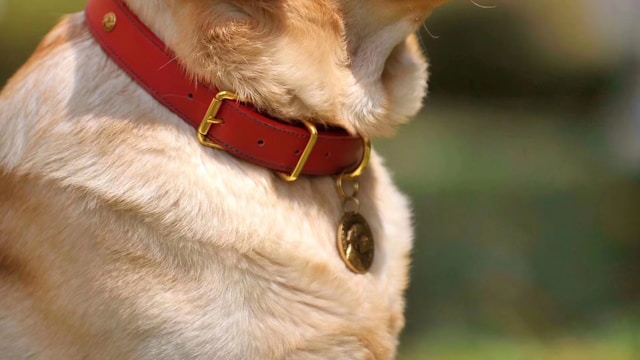
Sitting pretty at the top of the list are well-made leather collars, especially those made from full-grain or vegetable-tanned leather. They offer the perfect combination of comfort, style and durability. In contrast to cheaper options, good leather actually softens over time and moulds to your pet’s neck, reducing friction but retaining essential strength. Quality materials are breathable and long-lasting, and it doesn’t hurt that the classic leather aesthetic is timelessly elegant!
- Choosing What’s Right for Your Dog
As you can see, there are so many factors that go into choosing the best collar for your own pup. Whilst a calm dog can thrive with a simple flat collar, an over active, escape prone pup might be better suited to a martingale. The real key is to avoid harsher and low-quality options, always focusing on fit, comfort, material and safety. Taking a quick look at a more detailed dog collars ranked guide can be hugely beneficial for you as you navigate the tricky task of finding the perfect accessory for your own furry friend. After all, they deserve the very best!










Add Your Comment