


A family home is no longer judged only by square footage, resale value, or how many rooms it contains. What matters more in daily life is whether the space supports the way people actually live, gather, rest, and move through their routines. Parents notice it in how easily mornings start, how often everyone stays in the same room in the evening, and whether a home feels calming instead of demanding. Comfort has become less about decoration and more about function that feels natural.
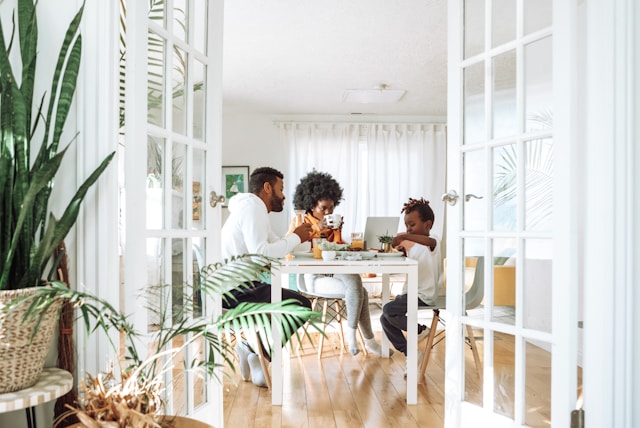
That shift has changed what people prioritize when thinking about home design and housing choices. Warmth, layout, neighborhood access, and shared spaces now carry more weight because they affect ordinary family life in practical ways. A home that works well does not need to be extravagant. It needs to support connection, reduce friction, and make everyday routines feel easier to sustain.
Shared Spaces Matter More Than Statement Pieces
Family life tends to revolve around a few repeated moments: getting ready in the morning, eating together when schedules allow, helping with homework, and winding down at night. These habits are shaped by the spaces around them. When a room is easy to use, comfortable to sit in, and visually settled, people remain in it longer. That is often what turns a house into a lived-in family environment rather than a collection of separate rooms.
This is why many households now value flow over formality. They want rooms that can handle conversation, quiet time, and changing needs without constant adjustment. A practical living area is not just about furniture placement. It creates a setting where people naturally gather, which often has a greater impact on family life than any single decorative upgrade.
Warmth Has Become Part of the Emotional Design of a Home
Physical warmth plays a practical role, but it also shapes how a home feels at the end of a long day. Spaces built around warmth tend to slow people down, encourage conversation, and make common areas more inviting. In family homes, that matters because the most useful room is often the one everyone returns to without being told. A living room that feels comfortable becomes a place where routines settle into something more connected.
That helps explain why design choices tied to atmosphere are getting more attention. Features associated with comfort are no longer seen as purely aesthetic upgrades. They are part of how people define liveability. In many homes, names such as The Great Fire Company enter the conversation not as focal points, but as part of the broader question of how a room can feel warmer, calmer, and more welcoming over time.
Location Now Has to Work as Hard as the Interior
A well-designed home can still feel inconvenient if daily errands, school runs, or basic outings require too much effort. For families, location affects time management as much as layout affects comfort. Walkability, nearby services, and access to mixed-use neighborhoods have become more significant because they reduce the strain of everyday logistics. Convenience is no longer a bonus feature. It often determines whether a home feels supportive or exhausting.
This has also changed the way people think about urban living. Dense, service-oriented neighborhoods appeal to households that want proximity without sacrificing quality. That is why options such as Avenue Bellevue Downtown Bellevue stand out in housing discussions. Developments centered in active districts reflect a growing preference for homes that combine private comfort with immediate access to the routines and destinations that shape family life.
Comfort Is More Effective When It Is Planned, Not Added Later
Many homes become less efficient not because they lack good features, but because those features were considered separately instead of as part of a whole. A beautiful room can still feel drafty, noisy, or difficult to regulate if the basic systems behind it were not planned with comfort in mind. Families notice this quickly because discomfort affects sleep, concentration, and the ease of spending time together in shared rooms.
The U.S. Department of Energy emphasizes that home comfort depends on the combined performance of weatherization, heating, and cooling rather than on one upgrade in isolation. That whole-home perspective is useful because it explains why a room’s atmosphere is shaped by more than appearance alone. When comfort is approached as a system instead of a finishing touch, homes tend to function better and feel more stable across seasons.
Flexible Rooms Support the Reality of Family Routines
Families rarely use rooms for just one purpose anymore. A dining area may double as a homework station, a quiet corner may become a remote work spot, and a living room may shift from play space to gathering area within a few hours. Homes that accommodate these changes without feeling cluttered tend to age better because they can adapt as schedules, children, and priorities evolve.
This flexibility depends on more than storage solutions or furniture choice. It comes from designing around movement and habit. When rooms are proportioned well and connected thoughtfully, they can absorb multiple roles without feeling chaotic. That makes family routines easier to manage and helps the home remain useful even as the household changes over time.
Children Notice Atmosphere Even When Adults Focus on Function
Adults often evaluate a home in terms of practicality, but children respond strongly to atmosphere. They notice whether a room feels calm, whether there is a natural place to read, whether evenings settle into a predictable rhythm, and whether shared spaces invite attention or distraction. These impressions matter because they shape how children experience security, rest, and togetherness inside the home.
That does not mean families need perfection or highly curated interiors. It means consistent comfort has value beyond appearance. A home that feels settled can support better routines and more relaxed interaction. In that sense, design is not simply about style. It influences the emotional tone of daily life, especially in the spaces where families spend the most time together.
Housing Decisions Increasingly Reflect Lifestyle, Not Just Budget
People still weigh price, square footage, and long-term value, but housing decisions are becoming more lifestyle-driven. Buyers and renters are asking how a home supports their actual week, not just whether it looks impressive on paper. They consider whether common spaces encourage togetherness, whether the neighborhood reduces stress, and whether the home will remain practical as needs shift.
This is one reason family-oriented housing conversations now blend interior design with questions about access, comfort, and resilience. A home has to do more than house people. It has to support the rhythms of ordinary life. When that happens, families spend less time working around the home’s limitations and more time using the space in a way that feels intuitive.
The Most Memorable Homes Usually Get the Basics Right
The homes people remember most fondly are not always the most expensive or visually dramatic. More often, they are the ones that felt easy to live in. They had spaces where people naturally gathered, a sense of warmth that made evenings feel slower, and layouts that reduced friction instead of creating it. These qualities may seem subtle, but they shape daily experience more than trend-driven features ever could.
That is why the most useful conversations about home design are becoming less performative and more grounded. Families are paying closer attention to what creates comfort in practice. They want homes that support rest, conversation, routine, and closeness. In the end, that kind of intentional comfort is what gives a home lasting value far beyond its surface appeal.











Add Your Comment