


When you’re preparing for a new baby, it’s easy to focus on the big things: the crib, the car seat, the stroller with the buttery-smooth turn radius. But after a few babies, I learned it’s the small details (like snaps, zippers, and even tags) that can quietly make a big difference in your baby’s safety and comfort. Let’s talk about why these tiny features matter more than we often realize—and what to look for when you’re choosing pieces for your little one.
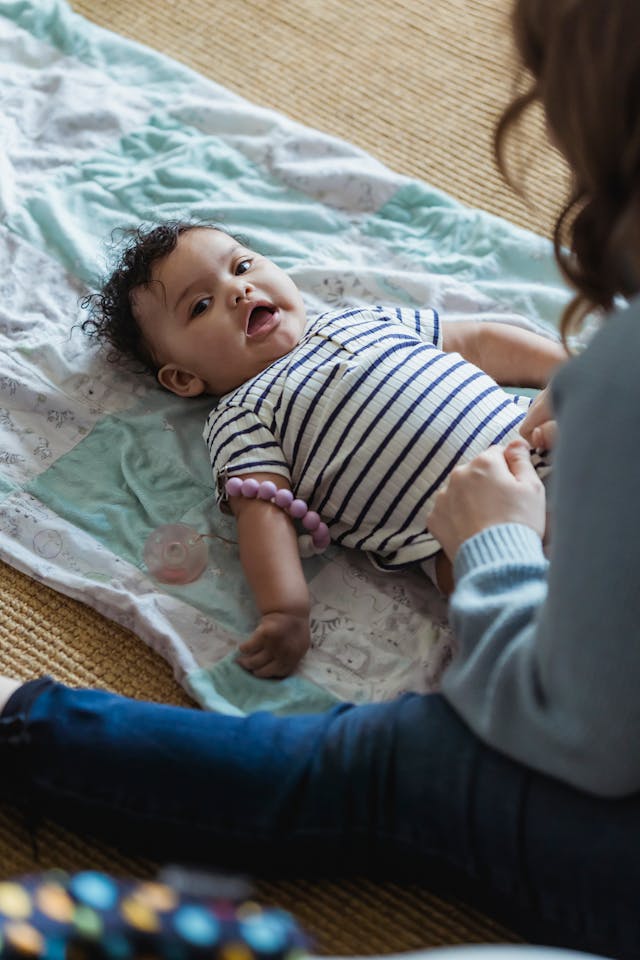
Snaps: Small Fasteners, Big Responsibility
If you’ve dressed a baby for more than five minutes, you know: snaps are everywhere. Sleepers, bodysuits, bibs, rompers—you name it. And not all snaps are created equal. Loose or poorly secured snaps can pop off, so quality really matters. That’s one of the reasons we love the buttery-soft bamboo bibs from Little Sleepies. They’re made with durable, reinforced snaps that stay put, plus a smooth finish that’s gentle on delicate skin.
Bibs, in particular, deserve special attention. They sit right under your baby’s face for long stretches of time. Add in a comfy, adjustable fit, safe snap spacing, and stretchy fabric that moves with your baby, and you’ve got one of those behind-the-scenes wins that makes everyday life just a little easier.
Zippers: Convenience Meets Caution
Once I discovered two-way zippers, I never looked back. They make diaper changes faster and keep the baby cozy during nighttime swaps. But zippers need thoughtful design to be safe for tiny bodies.
What to Look for in Baby-Friendly Zippers
- Zipper guards
A fabric flap at the top of the zipper protects your baby’s chin and neck from getting pinched. Without it, that tiny metal tab can rub or scratch sensitive skin.
- Covered interior seams
The underside of a zipper shouldn’t feel scratchy. High-quality designs cover the zipper backing so there’s no direct contact with skin.
- Smooth glide
A zipper that sticks or catches can lead to rushed movements (and we’ve all been there). Smooth, well-constructed zippers reduce the risk of pinching little fingers or skin.
- No exposed metal edges
Babies squirm. A lot. Any exposed or sharp edge becomes a problem quickly.
When clothing is thoughtfully constructed, the zipper becomes what it should be: a helpful tool—not a hazard.
Tags: The Sneaky Irritation Factor
Let’s talk about tags. They seem harmless, right? But if you’ve ever worn a shirt with a scratchy tag, you know how distracting that tiny square of fabric can be. Now imagine that sensation on a baby with ultra-sensitive skin who can’t tell you what’s wrong.
Traditional sewn-in tags can:
- Cause irritation or redness
- Create pressure points when babies lie on their backs
- Trigger discomfort for babies with eczema or sensory sensitivities
Tagless, organic designs like the ones at Treehouse Kids eliminate that issue entirely. It’s such a simple improvement—but it can mean fewer mystery fussing sessions and less unnecessary irritation. As a parent, I’ve learned that if something could bother my baby, eventually it will. Removing small irritants before they become big problems is always worth it.
Fabric and Construction: The Bigger Picture
While snaps, zippers, and tags are key details, they’re part of a larger safety conversation: thoughtful construction. When browsing baby clothing—whether it’s sleepers, bodysuits, or essentials like bibs—I look for:
- Soft, breathable fabrics
- Secure stitching (we love the premium organic cotton at Colored Organics)
- Flat seams (like the precious, pima cotton clothing at Magnolia Baby)
- No loose threads
If you’re shopping for everyday essentials, focus on comfort-forward design and thoughtful details. It’s reassuring to know that the small components—like snaps and closures—are part of a bigger commitment to safety and quality.
Real-Life Safety Moments (From One Parent to Another)
Let me share something honest.
Once, during a particularly chaotic morning, I noticed my baby chewing on something shiny. My heart stopped. It turned out to be a decorative button that had come loose on a gift outfit. That moment changed how I shop.
Now, I gently stress-test clothing before it ever touches my baby’s skin. I check closures. I run my fingers along seams. I look at how pieces are attached. It takes less than a minute—and it gives me real peace of mind. We can’t eliminate every risk in parenting. But we can control the quality of the items we bring into our homes.
Red Flags to Watch For
When evaluating baby clothes, keep an eye out for:
- Decorative buttons or embellishments that aren’t firmly secured
- Snaps that pop open with minimal pressure
- Zippers without protective covers
- Scratchy tags sewn directly into neckline seams
- Loose threads or fraying edges
If something feels flimsy in your hand, it probably won’t hold up to a wiggly, growing baby.
Why These Details Matter More Than We Think
Babies spend most of their early months:
- Lying on their backs
- Rolling and scooting
- Grabbing their clothing
- Bringing everything to their mouths
That means clothing is constantly in contact with sensitive skin and tiny fingers. Snaps that stay secure reduce the risk of choking. Zipper guards prevent pinched skin.
Tagless labels minimize irritation. Individually, these seem small. Collectively, they shape your baby’s daily comfort and safety.
And here’s the thing: when your baby is comfortable, everyone sleeps better. Fussing decreases. Skin flare-ups are less likely. Diaper changes go more smoothly. These details quietly support your family’s rhythm.
Practical Tips for Parents
If you’re building or refreshing your baby’s wardrobe, here’s a simple checklist:
- Do a quick “tug test” on closures.
- Feel the inside seams with your eyes closed. If it feels rough to you, imagine it on newborn skin.
- Check for protective zipper covers.
- Choose tagless or printed labels when possible.
- Wash before first wear. This softens fabric and lets you spot any issues early.
And don’t feel pressured to keep outfits that make you uneasy—no matter how cute they are. Safety always wins over style.
Caring for Your Baby and Their Clothing
As parents, we’re wired to think big when it comes to safety. But sometimes, it’s the smallest components that deserve our attention. They may seem minor, but they’re part of your baby’s everyday experience—resting against their skin, moving with their body, and occasionally finding their way into curious little hands. Choosing thoughtfully designed clothing—especially everyday essentials like bibs—reduces unnecessary risks and increases comfort in ways that truly matter.









Add Your Comment