


Thinking about an Asian eyelid lift? You’re not alone. Many people in San Diego are exploring this procedure not just to change their appearance, but to make everyday routines like applying makeup or opening their eyes feel easier and more natural. But while the idea of a crease or fold might seem simple, the results depend on more than just the surgery itself.
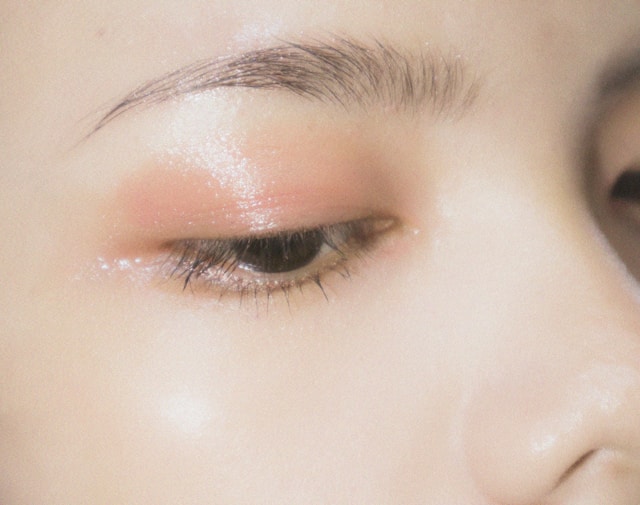
Factors like your anatomy, skin quality, surgeon skill, and how you care for your eyes afterward all shape the final outcome.
Understanding these elements can help you feel more confident as you decide whether this procedure is right for you. Below are four of them.
1. Anatomy and Eyelid Structure
No two eyelids are exactly the same. The thickness of your eyelid skin, the amount of fat, and the underlying muscle and bone structure all affect how your eyes respond to the Asian blepharoplasty. Some people naturally have subtle creases, while others may have more pronounced folds or none at all. Even if two patients request a similar look, the approach for each may differ significantly.
For instance, patients with more fatty tissue may need careful sculpting to avoid puffiness, while those with thinner skin might see more defined folds. The position of the orbital bone and the strength of eyelid muscles can influence symmetry and crease formation.
Surgeons often take detailed measurements and even create temporary markings to visualize the end result. Discussing your own anatomy with your surgeon helps set realistic expectations and ensures that your eyelid lift complements your natural features.
2. Surgeon Skill and Experience
If anatomy sets the stage, the surgeon’s skill writes the story. Techniques for an Asian eyelid lift can vary widely. Some surgeons use a full-incision method for precise fat removal, while others use a less invasive suture technique suited for minimal eyelid fat.
Choosing a surgeon with extensive experience in this procedure is critical. Patients seeking an Asian eyelid lift in San Diego benefit most from providers who are deeply familiar with local patient needs and aesthetic preferences. Practices like San Diego Eyelid Specialists emphasize that selecting a surgeon with routine experience in this procedure leads to results that look natural rather than surgical. Experienced surgeons understand how to balance symmetry, crease height, and long-term healing, while also minimizing the risk of complications.
In practice, patients often feel more confident knowing their surgeon has handled a wide range of eyelid types and post-operative outcomes. Even subtle differences in technique can affect the crease’s definition, overall symmetry, and how the eyelids settle during healing.
3. Skin Elasticity and Age
Your skin’s condition plays a huge role in recovery and in the final appearance of your eyelids. Younger skin tends to be more elastic, allowing folds to form naturally and heal quickly. As we age, collagen production slows, skin thins, and recovery may take longer.
Older patients may require modifications to the surgical approach to maintain a refreshed yet natural appearance. Lifestyle factors like sun exposure, smoking, and hydration also affect elasticity, which in turn impacts how well your eyelids heal.
Taking care of your skin before and after surgery can make a noticeable difference in the results. Patients with well-maintained, healthy skin often see sharper, longer-lasting creases, while compromised skin may need additional attention during recovery.
4. Recovery and Aftercare
Even the most precise surgery can be affected by post-operative care. Swelling, bruising, and temporary asymmetry are normal, but following your surgeon’s instructions carefully can significantly influence the final look.
Keeping your head elevated, avoiding heavy lifting or bending, and using prescribed ointments or cold compresses helps control swelling and supports proper crease formation. Some surgeons also recommend gentle massage after initial healing to ensure even results.
A quick checklist:
- Avoid rubbing or pressing on your eyelids during the first few weeks
- Keep the incision site clean and follow all medication instructions
- Attend every scheduled follow-up appointment
- Report unusual pain, redness, or swelling promptly
Patients who closely follow these steps often experience smoother, more natural-looking outcomes. Neglecting aftercare can prolong swelling, affect symmetry, or even cause minor scarring. Recovery is an active part of the process that shapes your ultimate results.
Bringing It All Together
Every Asian eyelid lift is a blend of science, artistry, and personal care. From the unique anatomy of your eyelids to the skill of your surgeon, your skin’s elasticity, and how carefully you follow aftercare instructions, each factor shapes the final outcome.
Choosing a skilled provider and understanding these key influences can make the difference between a result that feels natural and one that falls short of expectations.










Add Your Comment