


Going into facial plastic surgery is a big step. But it usually doesn’t start overnight. Maybe you want to soften a feature, fix something that has bothered you for years, or restore a younger look. Then the research begins. You read articles, scroll through reviews, and suddenly realize there are many surgeons offering similar procedures.
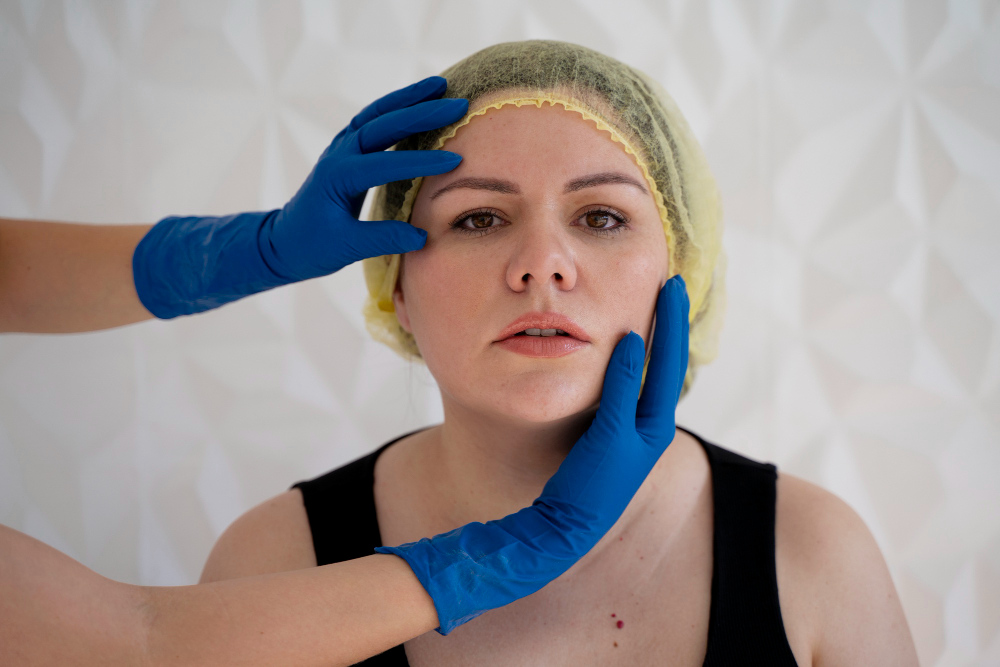
If you live near Guelph, the search can feel even more confusing. Clinics promise natural results, skilled surgeons, and modern techniques. But how do you actually tell which surgeon is the right fit for you?
Here are several practical things to look for before choosing a facial plastic surgeon.
1. Look For Proper Training And Certification
Before anything else, check the surgeon’s credentials. Facial plastic surgery requires years of specialized education beyond medical school. A qualified surgeon typically has certification in plastic surgery, facial plastic surgery, or a closely related specialty. Board certification signals that the doctor has completed advanced training and passed strict professional exams.
It also helps to look at professional memberships. Surgeons who belong to recognized organizations often follow established safety standards and continuing education requirements.
You can usually find this information on the clinic’s website or through medical association directories. If those details are missing, that may raise questions worth asking during a consultation.
2. Understand Their Approach To Facial Procedures
Every surgeon has a slightly different philosophy when it comes to facial surgery. Some prefer subtle changes. Others focus on more noticeable transformations. During your research into facial plastic surgery in Guelph, you may notice that certain clinics explain their treatment planning in detail, including how procedures are adjusted based on facial structure, skin quality, and long term aging patterns.
Practices like Guelph Facial Plastics often discuss how surgical planning is shaped by each patient’s anatomy rather than following one fixed method for everyone. That kind of explanation can help patients understand how personalized care works in facial procedures. Reading how a clinic describes their process can give insight into whether their philosophy matches your expectations.
3. Review Before And After Photos Carefully
Photos tell a story that descriptions cannot.
A strong portfolio of before and after images helps you see the surgeon’s style, consistency, and attention to detail. Look closely at results for patients who have similar facial features or concerns.
Some helpful things to look for include:
- Natural-looking changes rather than dramatic alterations
- Balanced facial proportions after surgery
- Consistent lighting and angles between photos
- Multiple examples of the same procedure
What we’ve seen is that good surgeons usually show a range of results instead of only one or two examples. That transparency gives you a better idea of what you can realistically expect.
If a clinic avoids sharing photos entirely, it may be harder to judge their experience.
4. Schedule A Consultation And Ask Questions
Online research is helpful, but nothing replaces a real consultation. This is your chance to meet the surgeon, ask questions, and understand their communication style. The consultation should feel like a conversation, not a rushed appointment.
Ask questions. Get to know how often they perform this procedure, what kind of results are typical for someone with your features, and what risks you should be aware of. A thoughtful surgeon will answer clearly and avoid rushing through explanations. They should also talk honestly about limitations and possible complications.
In practice, patients often say that the consultation alone helped them decide whether they felt comfortable moving forward.
5. Consider Safety And Surgical Facilities
Where the surgery takes place matters just as much as who performs it. Many facial procedures happen in accredited surgical centers or hospital settings. These environments follow strict standards for cleanliness, equipment, and patient monitoring. Before choosing a surgeon, confirm that the facility is properly accredited and staffed with trained medical professionals.
You may also want to ask about:
- Anesthesia providers and their credentials
- Emergency procedures if complications arise
- Recovery monitoring after surgery
These factors may not appear in marketing materials, but they play a major role in patient safety.
Conclusion
Choosing a facial plastic surgeon takes patience, research, and honest conversations. The right decision rarely comes from picking the first clinic that appears in a search result.
Instead, it comes from looking closely at training, reviewing patient outcomes, understanding the surgeon’s philosophy, and taking the time to ask questions during consultations.
When the surgeon’s experience, communication style, and approach all align with your expectations, the entire process becomes much more comfortable. And that confidence often makes a meaningful difference in how patients feel both before and after their procedure.










Add Your Comment