


Rhinoplasty has long been associated with refining the nose, yet for many patients the real goal is something more nuanced: improving shape or balance without losing the facial traits that connect them to their cultural background.
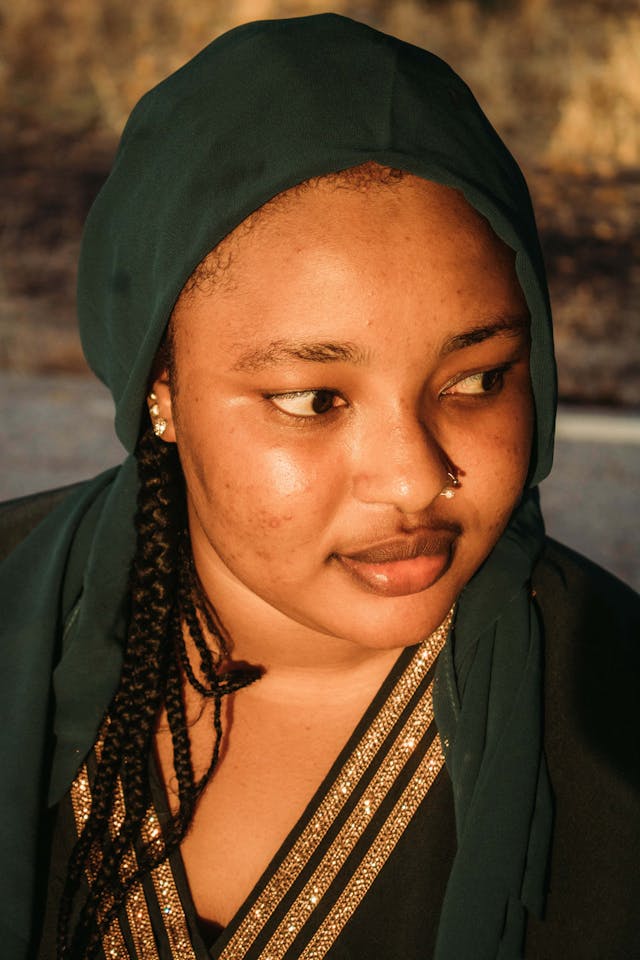
That balance has become a central conversation in modern facial plastic surgery. Surgeons today approach ethnic rhinoplasty with a different philosophy than the “one-shape-fits-all” approach that existed decades ago, focusing instead on preserving identity while improving harmony.
In cosmetic surgery hubs across the United States, particularly in places known for specialized facial procedures such as Scottsdale, consultations around ethnic rhinoplasty tend to center on this exact concern. Patients aren’t trying to erase cultural features; they’re trying to refine them in a way that still feels like themselves.
Below are six techniques surgeons commonly use to preserve cultural facial characteristics during ethnic rhinoplasty.
-
Starting With Facial Proportion Rather Than “Standard” Nose Shapes
Many people seeking rhinoplasty share a similar concern: they want to refine their nose, but they worry about losing the distinctive features that reflect their heritage. That concern exists for a reason. Earlier cosmetic trends sometimes favored narrow nasal bridges or highly sculpted tips that did not always complement every facial structure.
This hesitation usually leads patients to research options such as ethnic rhinoplasty in Scottsdale once they realize that modern approaches focus on facial harmony rather than replacing natural features with a standardized aesthetic. During consultations, surgeons typically step back and evaluate the entire face rather than focusing solely on the nose.
That perspective explains why specialists at Starkman Facial Plastic Surgery approach rhinoplasty as a balance among structure, proportion, and cultural identity rather than pursuing a single cosmetic ideal. For many patients, seeing their face analyzed in this broader way makes it clear that refinement can coexist with preservation.
-
Preserving the Natural Nasal Bridge Structure
Different ethnic groups tend to have characteristic nasal bridge shapes. Some bridges appear higher and more defined, while others are naturally softer or lower in profile.
Earlier rhinoplasty techniques frequently involved aggressively reshaping the bridge to match a narrow Western aesthetic. Today’s surgeons tend to take a far more conservative approach, recognizing that the bridge plays a major role in maintaining cultural facial identity.
Rather than removing large amounts of bone or cartilage, surgeons may refine irregularities while keeping the bridge height and width consistent with the patient’s natural facial structure. This subtle preservation helps maintain the nose’s original character while still allowing improvements in balance and symmetry.
-
Supporting the Nasal Tip Instead of Over-Refining It
The nasal tip is another feature that varies widely across different ethnic backgrounds. Some patients naturally have a rounder or softer tip structure due to differences in skin or cartilage thickness. Earlier surgical approaches sometimes attempted to dramatically narrow the tip, which could create an unnatural look or weaken nasal support.
Modern ethnic rhinoplasty techniques tend to focus on strengthening the tip structure rather than aggressively reducing it. Surgeons may use cartilage grafts or subtle reshaping to create definition without removing the traits that make the nose distinctive. When the tip maintains its structural support, the result usually appears more natural and balanced with the rest of the face.
-
Using Cartilage Grafts to Maintain Structural Integrity
Cartilage grafting has become one of the most important tools in ethnic rhinoplasty. These grafts allow surgeons to reshape and reinforce the nose while preserving its natural proportions.
Cartilage is typically taken from the nasal septum, ear, or occasionally the rib, depending on how much support the nose requires. Once placed, the graft acts as a framework that strengthens the nose while guiding its new shape.
This technique is especially helpful for patients whose noses require subtle projection or improved symmetry rather than reduction. By building structure rather than removing it, surgeons can refine the nose while protecting the cultural features that define its appearance.
-
Adapting Techniques to Skin Thickness
Skin thickness plays a surprisingly important role in rhinoplasty outcomes. Patients with thicker nasal skin—common in many ethnic groups—may experience different results than those with thinner skin. Thicker skin can soften the appearance of cartilage changes beneath it, so surgeons must plan structural adjustments carefully to ensure the final result remains visible yet natural.
Instead of dramatic reductions, surgeons usually focus on internal support and balanced reshaping. This tailored strategy helps maintain natural contours while ensuring the nose heals with smooth, proportional lines.
-
Prioritizing Cultural Sensitivity During Consultation
Technical skill alone cannot preserve cultural identity in rhinoplasty. The consultation process plays an equally important role, as it allows surgeons to understand which aspects of the nose a patient values most.
Some individuals want to reduce a dorsal hump but keep their nasal width. Others want tip refinement while maintaining the overall shape they inherited from family members.
These conversations guide the surgical plan. Surgeons frequently review photographs, discuss facial proportions, and explore how subtle changes may affect the overall look of the face. When the consultation focuses on identity as much as aesthetics, the final result tends to reflect both refinement and authenticity.
Conclusion
Ethnic rhinoplasty represents a shift in how facial plastic surgery approaches beauty and identity. Rather than reshaping the nose to conform to a universal standard, modern techniques aim to enhance facial harmony while preserving features that reflect a patient’s cultural background.
Through careful planning, structural support, cartilage grafting, and individualized consultation, surgeons can refine the nose while maintaining its natural character. For many patients, that balance makes all the difference. The goal is not to look like someone else—it is to look like a more balanced version of themselves, with their heritage and identity still clearly reflected in their features.










Add Your Comment