


Most new moms expect the sleepless nights and the endless diaper changes. What catches a lot of people off guard is the hair loss that kicks in around three months postpartum. Clumps in the shower drain, hair all over the pillow, strands wrapped around the baby’s tiny fingers. It looks alarming, but it’s completely normal.
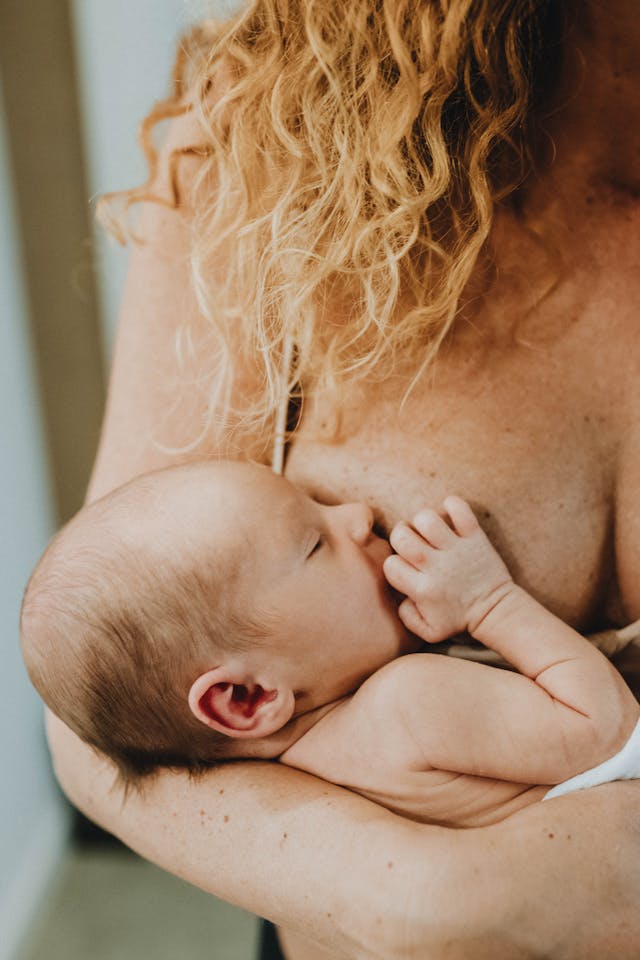
The good news is that postpartum hair loss is temporary. The frustrating news is that “temporary” can mean six to twelve months of watching your hair thin out. Products designed for this specific issue can help speed things along – a shampoo bar for thinning hair with rosemary and biotin supports scalp health and strengthens regrowth. But understanding what’s happening makes the whole process less scary.
What’s happening
During pregnancy, elevated estrogen keeps hair in its growth phase longer than usual. Strands that would normally shed stick around instead. That’s why pregnancy hair often looks thicker and fuller.
After delivery, estrogen drops. All that hair that should have fallen out over nine months falls out at once. The technical term is telogen effluvium, and it typically peaks around three to four months postpartum.
Nobody is going bald from this. It’s just the “extra” hair accumulated during pregnancy finally shedding. But finding hair everywhere – in the baby’s diaper, tumbleweeding across the bathroom floor – can still be unsettling.
The timeline
Most women notice shedding starting between two and four months after giving birth. It peaks around four to six months, then gradually slows. By the baby’s first birthday, hair is usually back to pre-pregnancy density.
For some women it takes longer. Breastfeeding can extend the timeline because hormones stay in flux. Subsequent pregnancies can compound the effect. And anyone already prone to fine or thinning hair before pregnancy might notice the postpartum phase more.
If significant hair loss continues past the one-year mark, or if the loss is patchy rather than overall thinning, that’s worth mentioning to a doctor. Thyroid issues are common postpartum. So is iron deficiency.
The nutrition piece
Growing a baby depletes the body’s reserves. Iron, zinc, vitamin D, B vitamins – they all take a hit. Breastfeeding continues that depletion. Deficiencies in any of these can contribute to hair loss beyond the normal postpartum shedding.
Iron is the big one. Postpartum anemia is underdiagnosed because the symptoms – fatigue, weakness, brain fog – overlap with regular new-parent exhaustion. A blood test can check ferritin levels. If they’re low, supplementing helps both hair and energy.
Protein matters too. Hair is made of keratin, which requires adequate protein intake to produce. When meals are whatever can be eaten one-handed while holding a baby, protein often falls short.
What helps
Postpartum shedding can’t be stopped entirely. The hair that’s going to fall out is going to fall out. But healthy regrowth can be supported and additional breakage minimized.
Scalp stimulation encourages blood flow to hair follicles. Rosemary extract has clinical evidence showing it promotes circulation and may support hair growth – one study compared it favorably to minoxidil. Massaging the scalp while shampooing costs nothing and feels good, which counts for something on four hours of sleep.
Gentle cleansing matters. Harsh sulfates can weaken fragile strands and irritate sensitive postpartum scalps. Switching to gentler surfactants means less breakage per wash.
Biotin supports keratin production. Many prenatal vitamins include it, so continuing to take those postpartum covers this base.
Protein-based treatments – products with hydrolyzed quinoa or rice protein – can strengthen new growth and reduce breakage. They don’t regrow hair, but they help what’s there look fuller. For new moms who want to feel confident while waiting for regrowth, Daniel Alain’s hair toppers offer a natural-looking way to add instant volume and coverage that blends seamlessly with existing hair.
What doesn’t help
Panicking. Easier said than done, but stress can extend the shedding phase. Telogen effluvium is triggered by physical stressors, and chronic stress counts.
Aggressive styling. Postpartum hair is fragile. Tight ponytails, heat styling, harsh chemical treatments all increase breakage. Loose braids or clips are gentler alternatives.
Expensive supplements with proprietary blends. If the label won’t list exact ingredient amounts, it’s probably not worth the money. The nutrients that matter for hair – iron, zinc, biotin, vitamin D – are available cheaply as individual supplements or in a good prenatal.
Give it time
Postpartum hair loss is mostly a waiting game. Hormones need to stabilize. The body needs to recover. The hair comes back.
Supporting the body nutritionally, being gentle with hair, and using products that strengthen rather than strip can make the waiting easier. In a year, all those wispy baby hairs will be growing back around the hairline.










Add Your Comment