


Weeknights can feel like a sprint from the last work email to the last homework question, with dinner stuck in the middle. After reviewing practical family meal planning tips and standard nutrition guidance, a clear theme shows up: Weeknight dinners get easier when decisions are made earlier, and the cooking stays flexible.
The goal is not to cook something new every night. The goal is to feed people well without staring into the fridge at 6 p.m. and ordering takeout out of pure fatigue. With a few repeatable moves, dinner can stay healthy, kid-friendly, and realistic for a busy schedule.
Set Up a Simple “Dinner Map” for the Week
A weeknight plan works best when it is more like a map than a script. You are not locking in exact recipes; you are choosing lanes that are easy to drive in after a long day.
Start with 10 minutes, once a week, and do three things:
- Pick three dinner “types.”
Think: tacos, bowls, pasta, stir-fry, sheet pan, soup, burgers, breakfast-for-dinner. - Choose two backups.
Backups are meals that can be ready in 15 minutes with pantry or freezer staples, like rotisserie chicken plus salad, or eggs plus toast plus fruit. - Decide what needs to be prepped early.
One chopped veggie container, one cooked grain, or one sauce can make multiple nights feel effortless.
Many families also reduce decision fatigue by using healthy meal kits as part of the plan. Instead of starting from scratch, the week begins with a set of groceries and quick recipe ideas that can be adjusted for preferences, allergies, and schedule changes. The result is less time spent planning and shopping, and more time actually eating.
To keep the plan grounded in balanced nutrition, use one simple visual rule: aim to fill about half the plate with fruits and vegetables, then round it out with protein and a carb that fits the meal.
A “dinner map” might look like this:
- Mon: build-your-own bowls
- Tue: sheet pan meal
- Wed: pasta night with a big salad
- Thu: taco night
- Fri: leftovers or breakfast-for-dinner
That is it. No color-coded spreadsheet required.
Use a Mix-and-Match Formula That Still Feels Fresh
Families tend to stick with what works. The trick is turning “the same few meals” into a flexible formula, so dinner stays familiar without feeling boring.
Try this mix-and-match structure; it works for bowls, salads, wraps, tacos, and stir-fries:
- 1 protein: chicken, tofu, beans, turkey, salmon, eggs
- 2 colorful plants: salad mix, broccoli, peppers, carrots, cabbage, tomatoes, frozen veggie blend
- 1 smart carb: rice, quinoa, potatoes, tortillas, pasta, whole-grain bread
- 1 flavor booster: salsa, pesto, peanut sauce, vinaigrette, yogurt sauce, hummus, teriyaki
Once this is in place, planning becomes faster. Instead of searching for recipes, you are choosing combinations.
Here are a few weeknight combos that follow the same formula:
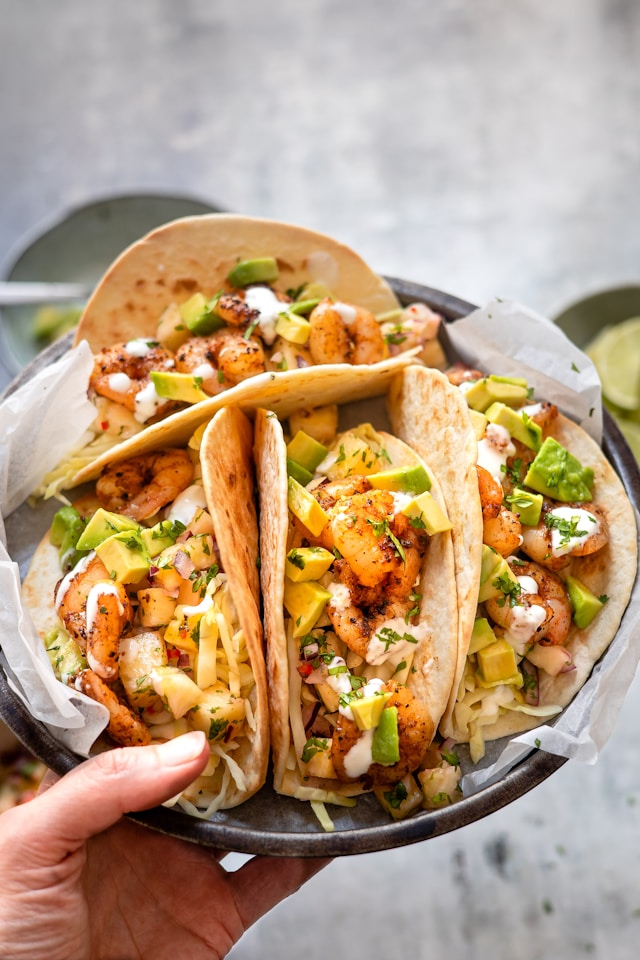
- Taco night upgrade: seasoned chicken or beans, tortillas, bagged slaw, avocado, salsa
- Fast stir-fry: frozen veggie blend, tofu or chicken, microwave rice, a simple stir-fry sauce
- Sheet pan win: chicken sausage or salmon, broccoli and carrots, baby potatoes, olive oil, and seasoning
- Pasta that feels balanced: pasta, marinara, spinach stirred in at the end, plus a side salad
A few small habits keep this formula truly “weeknight easy”:
- Double one component on purpose. Roast two trays of veggies, cook extra rice, or prep extra protein.
- Keep two sauces that everyone likes. One creamy, one tangy.
- Use frozen and pre-chopped ingredients without guilt. They save time and still support a healthy routine.
If the household includes picky eaters, build in choice without cooking separate meals. Put toppings in small bowls and let everyone assemble their own plate. The base stays the same; the experience feels personal.
Make Healthy the Default With Smart Shortcuts
“Healthy” often falls apart when time and energy run out. So the plan should assume that weeknights will be busy and build shortcuts into the system.
Three shortcuts make the biggest difference:
1) Choose one “no-chop” vegetable each night.
Examples: bagged salad, baby carrots, steam-in-bag veggies, cherry tomatoes, snap peas.
2) Keep a short list of reliable proteins.
Rotisserie chicken, frozen shrimp, pre-cooked chicken sausage, canned beans, eggs, and tofu can carry an entire week of dinners.
3) Stock a few fast add-ons that make plates feel complete.
Fruit, yogurt, nuts, shredded cheese, whole-grain bread, microwavable grains.
To stay consistent, keep the “healthy default” very simple: include a fruit or vegetable at every dinner, add a protein, and keep meals reasonable on added sugars and heavy fats most days. If a dinner is turkey tacos with bagged salad, that is a win. If dinner is an easy grain bowl with leftover veggies, that is also a win. Consistency beats perfection on weeknights.
One more shortcut that matters for families is planning for “good enough.” A realistic dinner that gets everyone fed is better than an ambitious recipe that causes stress and ends in takeout.
Dinner Can Feel Manageable Again
Dinner does not have to be the hardest part of the day. When the week starts with a simple map, meals follow a mix-and-match formula, and smart shortcuts are built in, planning becomes faster, and cooking becomes calmer. Many households also find that healthy meal kits reduce the weekly decision load even more, while still keeping dinner flexible and family-friendly.











Add Your Comment