


Managing waste at home is a task every family deals with daily. Proper systems help keep a living space clean and reduce the amount of junk sent to local landfills.
Small changes in how we handle leftover items make a big difference. Learning the right methods for sorting and disposal can save money and help the neighborhood stay tidy.
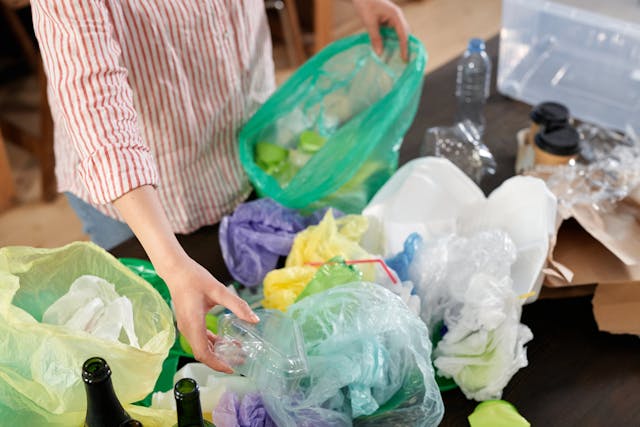
Organizing Household Recycling Systems
Creating a system for recyclables is the first step toward a cleaner home. Set up labeled bins in the kitchen or garage to make sorting fast for everyone in the family – having a clear spot for paper and plastic keeps the main living areas free of clutter.
A report on local waste habits showed that the city recycles about 23% of its garbage. This number shows there is room for improvement in how residents separate paper and plastic. Increasing this percentage helps lower the burden on local processing facilities.
Rinse out food containers before placing them in the bin. Clean items are easier to process at the facility and prevent odors from building up in the house. Plus, this simple step helps keep the recycling bin from attracting bugs or pests.
Planning For Large Scale Cleanups
Home renovation projects generate a large amount of debris that requires proper handling. These items are often too bulky for standard curbside service and require a better plan. Homeowners often find themselves with piles of old furniture or carpet after a big project.
Major home projects often create more debris than a standard bin can handle. Investing in a dumpster rental in Atlanta is a smart way to manage these heavy materials efficiently during the cleanup. This service allows you to focus on the work without worrying about waste piling up in your yard.
Order a size that fits the scope of the job to avoid overflow. Having a designated spot for bulk waste keeps the driveway organized and prevents safety hazards for kids.
Managing Your Kitchen Waste
Kitchen scraps are the primary source of weight in a typical household trash bag. Reducing this volume makes the bin lighter and much easier to carry to the curb. Small adjustments to your shopping list can prevent excess waste from the start.
Environmental data shows that food is the most common material sent to landfills in the country. It makes up over 24% of municipal waste and creates greenhouse gases when it rots in a pit. This fact highlights the need for better food management in every kitchen.
Plan meals carefully to avoid buying more than the family can eat. Store leftovers in clear containers so they remain visible and are consumed before they spoil.
Natural Benefits Of Composting
Composting turns organic scraps into nutrient-rich material for the garden. It is a simple way to recycle nutrients back into the earth rather than throwing them away. This process turns your kitchen waste into a valuable resource for your plants.
Industry research suggests that using compost helps lower soil erosion in several ways. It binds the soil together and helps water soak in rather than running off the surface. This protection is helpful for maintaining a healthy garden throughout the year.
Benefits of using compost in your yard include:
- Improved soil structure for better plant growth.
- Increased water retention during dry seasons.
- Higher levels of beneficial microbes in the dirt.
- Reduced need for chemical fertilizers in your flower beds.
Tools For Home Waste Processing
Technology and new products make it easier to process waste right in the backyard. Small bins or electric digesters can handle everything from peelings to coffee grounds. These machines can turn scraps into usable dirt in a matter of weeks.
Market analysts expect the sale of household composting tools to grow by over $561 million soon. This trend indicates that more people are looking for ways to manage their own residue. It reflects a shift toward more sustainable living in residential areas.
Make sure to look for a bin that has tight seals to keep pests away. A sturdy design will last for years and provide a steady supply of soil for your flowers.
Handling Heavy Renovation Debris
Construction waste requires more durable containers than paper or plastic. Bricks, tiles, and drywall are heavy and can tear through standard plastic bags. It is best to use containers designed to handle the weight of stones and wood.
A recent logistics report notes that specialty heavy-duty bags can hold up to 3300 pounds of waste. These are useful for small bathroom remodels or heavy garden debris. They provide a flexible option for projects that are too small for a full-size bin.
Check the weight limits on any bag or bin you use. Overloading a container can make it impossible for a truck to lift it safely.
Improving Pickup Efficiency
Reducing the number of trips to a disposal site is good for the environment. It saves time and lowers the cost of maintaining a vehicle. Efficient planning makes the whole cleanup process go faster for the homeowner.
Expert inspectors mention that using a single large container can replace several individual trips. This shift conserves fuel and lowers the emissions created by driving back and forth. It is a practical choice for anyone working on a large home project.
To maximize the space in your container:
- Break down cardboard boxes before tossing them in.
- Place heavy items at the bottom to stay stable.
- Fill small gaps with loose debris to use every inch.
- Flatten plastic jugs to create more room for other trash.
Future Goals For Residue Control
Technology trends for the near future suggest that circular systems will become standard in the next year. This means more products will be designed to be recycled or reused from the start. It is a big step toward a future where nothing goes to waste.
Many environmental plans have set a goal to reduce food waste by 50% by the year 2030. Reaching this target will require every household to change how they shop and cook. It is a goal that depends on the cooperation of every resident.
Industry updates show that organic waste can be turned into compost for farms through special digestion processes. These large-scale efforts work best when families sort their trash correctly at home.
Managing waste at home takes a bit of effort but pays off with a cleaner environment. By following these strategies, every family can reduce their footprint and keep the community beautiful.
Start with small steps like sorting your bins or starting a compost pile. These habits lead to a more sustainable lifestyle and make waste management a simple part of the day.











Add Your Comment