


The moment a teenager gets behind the wheel to drive solo in the city involves a complex mix of parental pride and pure panic. Crowded intersections, distracted pedestrians, and aggressive drivers feel like a gauntlet for seasoned motorists, let alone a novice. This anxiety is not unfounded; recent statistics consistently show that teen drivers face a significantly higher risk of crashes, particularly during their first few months on the road. For instance, the Statesville Police Department reported over 12,000 crashes involving teens during the “100 Deadliest Days” alone, resulting in more than 2,300 injuries.
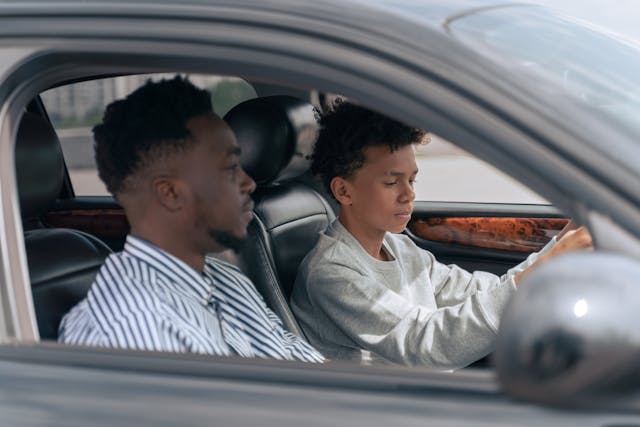
With teen crash fatalities climbing in some states—Utah saw teen driving deaths nearly double recently—the need for proactive, focused training has never been more substantial. This guide moves beyond the basics of the driver’s test, offering parents a practical framework for teaching teens the practice of urban defensive driving. This mindset prioritizes awareness, anticipation, and control in the most demanding environments.
Section 1: Mastering the Urban Gauntlet: Core Defensive Driving Skills
Before a teen can confidently navigate busy city streets, they need a foundation built on proactive awareness rather than reactive maneuvers. Defensive driving is a cognitive skill that involves constantly assessing risk and anticipating the actions of others. As a recent survey confirmed, habits like hazard identification and predictive scanning have a lasting impact on driver safety. The Young Drivers of Canada 2026 Graduate Survey found that students who learned these skills maintained strong risk avoidance habits years after their initial training.
The “What If?” Mindset: Proactive vs. Reactive Driving
The core of defensive driving is shifting from a passive “what is happening now” perspective to an active “what if?” mindset. Parents must teach their teens to constantly ask specific questions while behind the wheel: What if that car pulls out without looking? What if the driver in front of me slams on their brakes? What if a pedestrian steps off that curb? This mental training prepares them to identify potential threats before they become immediate dangers, giving them precious seconds to adjust their speed or position. This approach is vital when facing distracted or impaired drivers, which remains a significant cause of serious accidents. In 2025 alone, Hampden District Attorney investigations linked 55 deaths directly to serious crashes, many involving impairment or distraction.
Advanced Scanning Techniques for City Streets
In a dense urban environment, a driver’s eyes must remain in constant motion. Parents should introduce their teens to these essential scanning habits:
- The 12-Second Look-Ahead: Instruct them to look at least 12 seconds ahead of their vehicle (approximately one city block). This allows them to see traffic light changes, stopped vehicles, or road obstructions well in advance.
- Systematic Intersection Scans: Before entering any intersection—even with a green light—they should look left, right, and then left again. This simple habit helps prevent T-bone collisions, one of the most dangerous types of intersection accidents.
- Constant Mirror Checks: Drivers should check their rearview and side mirrors every 5-8 seconds to maintain complete 360-degree awareness of the traffic around them. This helps them know who is in their blind spots before they signal a lane change.
Managing Space: Your Teen’s Safety Bubble
Controlling the space around the vehicle is a teen’s best defense against the mistakes of other drivers. This “safety bubble” provides the time and room needed to brake or steer out of trouble. Experts emphasize the importance of this buffer; Esther Ross of the Motor City Driving Academy notes that maintaining a safe buffer is critical to preventing accidents.
A Teen’s Guide to Space Management:
- Maintain a 3-4 Second Following Distance: Teach them to pick a fixed object (like a signpost) and count the seconds between when the car ahead passes it and when they do. You should allow for a greater following distance when weather conditions are poor or traffic is congested.
- Avoid Blind Spots: Emphasize the danger of lingering in another vehicle’s “no-zone,” especially large trucks. If they cannot see the truck driver’s face in their side mirror, the truck driver cannot see them. Large trucks require significantly longer stopping distances, and cutting in front of them or driving alongside them creates immediate peril.
- Create an “Out”: Always position the car so there is an escape path to the left or right. Avoid getting boxed in by other vehicles.
- Stop Smart: When stopping behind another vehicle, they should be able to see the bottom of its rear tires touching the pavement. This leaves enough room to pull around it if it stalls or an emergency vehicle needs to pass.
Section 2: From Data to Driveway: Planning Safer Practice Routes
Not all roads are created equal. Some intersections and stretches of highway are statistically far more dangerous than others. By using local data, parents can create a graduated practice plan that builds a teen’s skills and confidence systematically, rather than throwing them into the deep end. This is especially critical in states like Mississippi, which in 2023 had the highest motor vehicle fatality rate in the entire country.
Using Crash Data to Identify High-Risk Zones
Understanding where accidents happen most frequently is a powerful safety tool. For parents in Mississippi, this local knowledge is essential for keeping a new driver safe. Resources like Mama Justice provide detailed analysis on the most dangerous intersections in Jackson MS, identifying specific locations such as the intersection of Bailey Avenue & Woodrow Wilson Ave. or Lakeland Drive & Treetops Blvd. Using this information, you can proactively plan practice routes that start in safer areas and gradually introduce your teen to more complex, high-traffic zones once their core skills are solid.
This caring, data-driven approach helps build confidence by avoiding overwhelming situations early on. The data supports this caution; one 15-mile stretch of I-55 in Jackson saw 31 fatal crashes in just four years, making it the deadliest road segment in the state. Similarly, a segment of I-20 in southwest Jackson saw 16 fatal crashes between 2019 and 2023. Knowing these hotspots allows you to steer clear of them until your teen is truly ready.
Creating a Graduated Practice Plan
A structured approach to practice driving is key. Research suggests that graduated licensing principles, which introduce privileges over time, are effective; Justin Owens from the UNC Highway Research Safety Center notes that these systems are a key countermeasure to stem young driver deaths. You can apply the same principle to your practice sessions by moving through different environments as your teen’s skills develop.
| Driving Environment | Key Challenges | Skills to Practice |
| Empty Parking Lot | None (Controlled) | Basic vehicle control, braking, turning, parking. |
| Quiet Residential Streets | Pedestrians, parked cars, stop signs. | Scanning for hazards, speed control, right-of-way. |
| Multi-Lane Suburban Roads | Higher speeds, lane changes, merging. | Mirror checks, blind spot awareness, maintaining speed. |
| Busy City Intersections | Complex signals, heavy traffic, pedestrians, aggressive drivers. | Advanced scanning, situational awareness, managing space. |
Section 3: Navigating Special City Driving Scenarios
City driving is defined by a series of unique challenges that require specific skills. Once a teen has mastered the basics, parents should focus practice sessions on these common but high-risk urban situations.
The Intersection Puzzle: Left Turns, T-Bones, and Pedestrians
Intersections are where a majority of urban accidents occur. In Jackson, fatal car accidents claimed 53 lives in a single recent year, with many occurring at intersections. To navigate these safely, teens must understand specific maneuvers.
- Unprotected Left Turns: Coach your teen to pull forward into the intersection with their wheels straight, wait for a safe gap, and only turn when the path is completely clear. Turning the wheels while waiting can push them into oncoming traffic if they are rear-ended.
- T-Bone Crashes: Reinforce the “left, right, left” scan before proceeding through any intersection, as these side-impact collisions can cause severe injuries.
- Pedestrian Awareness: Mississippi has a high rate of pedestrian fatalities. Teach your teen to make eye contact with pedestrians at crosswalks and to always be prepared for someone to step into the street unexpectedly, especially near bus stops or between parked cars.
The Perils of Speeding and Aggressive Drivers
City traffic can be frustrating, often leading to aggressive driving behaviors. In 2020, speeding was a factor in 10 fatalities in Jackson alone. While overall unsafe driving behaviors have dropped in some regions—unsafe behaviors dropped to 1.19 per driver in Colorado recently—speeding remains a persistent issue.
Teach your teen to be the calm in the storm. If another driver is following too closely, instruct your teen to increase their own following distance from the car in front of them. This gives both drivers more time to react. If possible and safe, they should signal, slow down slightly, and allow the aggressive driver to pass. Emphasize that they should never respond to aggressive behavior with gestures, honking, or brake-checking. As commentators have noted regarding a decline in civility on the roads, drivers must be their own best advocates for safety by refusing to engage in road rage.
Building a Lifetime of Safe Driving Habits
Teaching a teenager to drive in the city is one of the most important lessons a parent will ever share. It is about more than just passing a test; it is about instilling a lifelong mindset of awareness, responsibility, and control. This cultural shift is gaining traction, with high-profile figures like Dale Earnhardt Jr. joining teen driving safety pushes to promote safe habits. By focusing on core defensive driving skills, using local data to create a smart practice plan, and coaching them through high-stakes urban scenarios, you are giving them the tools to not just survive on the road but to thrive as confident and safe drivers. This proactive investment of time and knowledge is the ultimate protection you can offer as they embark on their journey behind the wheel.











Add Your Comment