


Creating a backyard that keeps children happy and safe is a common goal for many families. You want a spot where they can burn off energy without constant worry about accidents.
Balancing style with functionality makes the space enjoyable for adults, too. A thoughtful approach turns a basic yard into a hub for growth and family bonding.
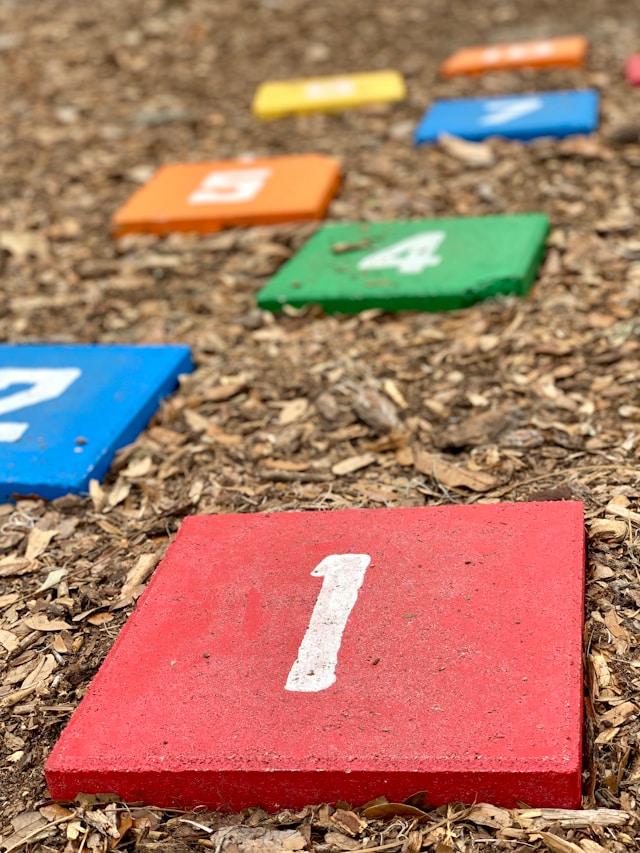
Prioritize Safety Without Sacrificing Fun
Falling is part of childhood – but the ground should be forgiving. Soft mulch or rubber tiles provide a 2-inch cushion for those inevitable trips and tumbles. This material stays cool in the sun and dries quickly after a rainstorm.
Fencing provides a clear boundary that keeps little ones from wandering away. A solid gate with a high latch prevents curious toddlers from exploring the street alone. You can find styles that match your home while providing 100% security for the perimeter.
Sharp corners on planters or benches pose a risk during games of tag. Rounded edges or soft plastic covers help prevent nasty bumps during high-speed play. Choosing furniture with curved lines makes the whole area feel more inviting and safe for active youngsters.
Choose Durable Materials For Heavy Use
Weatherproof furniture stays in good shape even after seasons of rain and sun. Metal and high-quality plastics wipe clean in seconds when spills happen during snack time. These items are light enough to move but heavy enough to stay put during a storm.
Building a sturdy base for your play equipment requires professional expertise. Many homeowners hire skilled builders for custom decks to create a level and secure platform for backyard activities. These structures need to meet safety codes to protect everyone who uses the space.
Avoid delicate fabrics that stain easily or tear under rough play. Heavy-duty outdoor rugs can define a play area while protecting little knees from rough wooden surfaces. They add a splash of color that brightens up the entire backyard.
Create Multi-Sensory Play Zones
Different textures like sand and smooth stones keep kids engaged for hours. A small sandbox or a water table offers endless opportunities for tactile exploration and creative building. These simple additions encourage children to focus and use their imagination in new ways.
Sound adds another layer of fun to the outdoor experience. Installing weather-resistant musical pipes or wind chimes encourages children to experiment with rhythm and noise. You might even find that the tinkling sounds provide a relaxing background for the adults, too.
Visual stimulation comes from colorful plants and painted murals on garden sheds. Bright primary colors or calming greens help define separate areas meant for high energy or quiet rest. Using paint that resists fading keeps the yard looking fresh for at least 3 or 4 years.
Design For Easy Visibility And Supervision
Clear sightlines allow you to watch the kids from the kitchen window or the patio couch. Avoid planting tall shrubs that block your view of the primary play zones. You want to see every corner of the yard without having to stand up every 2 minutes.
Low-level lighting keeps the area usable as the sun starts to go down. Solar-powered path lights or string lights provide enough glow to spot any toys left on the grass. Proper illumination prevents trips over stray blocks or balls during those late summer evenings.
Strategic seating lets parents stay close to the action without being in the way. A 3-person bench placed near the swing set offers a comfortable spot for long afternoons outside. Having a designated place to sit makes it easier for adults to supervise for extended periods.
Incorporate Natural Elements Into The Layout
Gardening teaches children about biology and the origins of their food. Small raised beds filled with 5 or 6 types of veggies let them get their hands dirty. They will feel a sense of pride when they finally get to eat the snacks they grew themselves.
Connecting with the environment helps young minds develop a sense of wonder. A global health report recently mentioned that high-quality outdoor areas allow children to move and engage with nature in a secure way. This interaction with the world around them is a key part of healthy growth.
Logs and large boulders serve as natural climbing frames and balance beams. These elements blend into the surroundings much better than bright plastic structures. They provide different levels of difficulty as children grow more confident in their physical skills.
Manage Storage For Toys And Equipment
A cluttered yard leads to tripping hazards and lost items. Dedicated bins for balls and bats help maintain order when playtime ends for the day. Storing equipment properly prevents it from becoming a breeding ground for insects or spiders.
Integrated storage solutions keep the space looking tidy for weekend gatherings. Use these items to hide the mess:
- Benches with hidden compartments under the seat
- Weatherproof plastic deck boxes for large toys
- Vertical wall racks for bikes and scooters
Teaching kids to put their things away preserves the lifespan of the equipment. Plastic toys often crack if left out in 100-degree heat for too long. A quick 5-minute cleanup routine saves money on replacements in the long run.
Plan For Shaded Relaxation Spots
Protection from the sun is a top priority during the peak of summer. Large umbrellas or retractable awnings offer a cool retreat when the temperature rises. Creating a shady zone helps prevent sunburns and heat exhaustion during active play.
Comfortable outdoor floor pillows create a cozy nook for reading or quiet play. Placing these in a shaded corner encourages children to take a break from running around. This small change turns a corner of the yard into a private sanctuary for a child.
Hydration stays top of mind when a water station is nearby. A small table with a 2-gallon jug of ice water makes it easy for kids to grab a drink. Keeping water accessible means nobody has to run inside every time they feel thirsty.
Transforming your yard into a family-friendly retreat takes a bit of planning. You can create a space that grows with your children over the coming years.
Small changes often make the biggest difference in how much time kids spend outside. Enjoy the process of building a backyard where memories are made every single day.











Add Your Comment