


Nurses often shape the direction of a patient’s recovery more than people realize. Their presence influences comfort, safety, and confidence at every stage of care. A patient might enter a hospital feeling uncertain, yet steady guidance from a nurse can shift the entire experience toward reassurance.
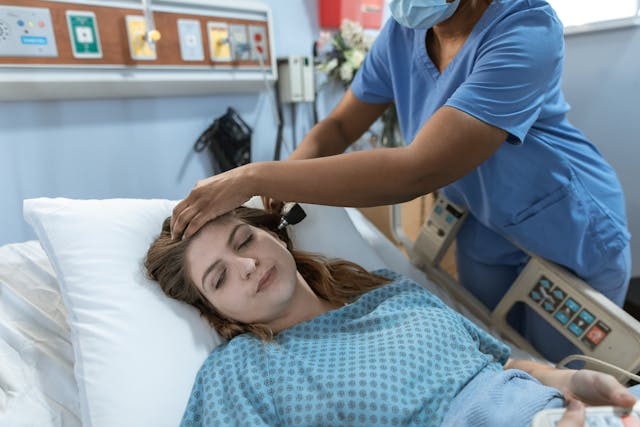
Clinical knowledge and emotional awareness blend in a way that strengthens outcomes across a wide range of conditions. Each interaction carries weight, and each decision nurses make contributes to healthier, more stable results. Their role reaches far beyond routine tasks, revealing a profession capable of transforming the patient journey.
The Central Role Nurses Hold in Modern Healthcare
Healthcare teams depend on nurses to keep patient needs visible and addressed. Nurses observe subtle changes that might escape others amid busy clinical environments. Patients spend most of their time with nursing staff, so trust often builds naturally during daily care. That trust becomes a foundation that helps patients feel supported throughout treatment.
Nurses guide conversations, explain steps in care plans, and help patients stay engaged with their recovery. These steady touchpoints give structure to moments that might otherwise feel confusing or overwhelming. Care becomes more coherent when patients feel grounded, and nurses often create that sense of grounding.
The Human Connection that Elevates Patient Recovery
Healing responds well to a caring atmosphere. Patients often improve when communication feels open and sincere, and nurses help shape that environment through consistent presence and thoughtful listening. When patients feel heard, they may share important details about symptoms, concerns, or fears.
These insights influence treatment decisions and strengthen teamwork between patients and providers. Much of this progress stems from strong interpersonal abilities, as soft nursing skills foster rapport that eases stress and builds confidence. When nurses approach patients with patience and clarity, comfort increases, supporting better cooperation throughout the recovery process. Skills such as empathy, clear communication, collaboration, and problem-solving further support effective nursing care and positive patient outcomes.
The Impact of Clinical Judgment on Treatment Success
Clinical judgment guides nurses as they assess situations that shift quickly. A patient might show a small change in breathing, skin tone, or alertness, and a well-trained nurse recognizes the meaning behind it. Early recognition often prevents complications and gives physicians the chance to intervene before conditions worsen.
Nurses evaluate each scenario through a mix of experience, education, and intuition grounded in evidence-based practice. This steady decision-making shapes the effectiveness of treatment plans. Patients benefit when nurses respond promptly, communicate concerns clearly, and help coordinate next steps. Strong judgment strengthens safety and often determines how smoothly patients move toward stability.
The Importance of Patient Education and Advocacy
Clear explanations help patients understand why each part of their care matters. Nurses answer questions that arise during treatment, and those conversations build confidence. Patients become more willing to follow instructions when the reasoning feels accessible and practical. Advocacy strengthens this process by keeping patient needs at the center of attention.
Nurses speak up when a treatment seems unsuitable or when a patient expresses discomfort or confusion. This support protects patient rights and encourages participation in decision-making. Patients who feel informed and respected often take ownership of their recovery, which leads to stronger long-term outcomes.
The Influence of Nurse-Led Coordination Across Care Teams
Care becomes more effective when communication flows smoothly among providers. Nurses connect information from specialists, physicians, therapists, and families, giving each group a clearer understanding of the patient’s status. This coordination reduces misunderstandings that might delay treatment or create unnecessary stress.
Patients experience fewer disruptions when nurses organize updates, clarify instructions, and encourage consistent follow-through. Team members rely on nurses to keep the care plan aligned, especially when multiple disciplines are involved. This steady coordination helps patients move from one stage of recovery to the next with greater ease, strengthening overall outcomes.
The Role of Cultural Awareness in Improving Care Quality
Patients arrive with different beliefs, customs, and expectations shaped by their communities and personal experiences. Cultural awareness helps nurses approach each patient with respect and curiosity. Care becomes more meaningful when communication reflects a patient’s values and preferences.
A patient who senses that their background is understood often participates more openly during assessments and discussions. This openness gives nurses clearer insight into symptoms, lifestyle factors, and potential barriers to treatment. Cultural awareness also prevents misunderstandings that could interrupt progress.
The Strength Nurses Bring During High-Stress Situations
Medical emergencies test emotional resilience as much as clinical skill. Nurses anchor the room when urgency rises, offering calm direction that helps teams act quickly and efficiently. Their presence steadies patients who may feel overwhelmed by fear or pain. A composed nurse can comfort a family member, guide a patient through unfamiliar procedures, and support colleagues who rely on steady communication during critical moments.
These skills develop over years of experience and exposure to a wide range of scenarios. Patients benefit from this steadiness because it creates a sense of safety even during uncertainty. Families also gain reassurance when nurses explain what is happening and what the team is working toward.
The Long-Term Value of Nurse-Patient Relationships
Strong relationships do more than improve the atmosphere of care. They influence outcomes that extend far beyond the hospital stay. Many patients remember supportive conversations with nurses long after treatment ends, and those memories shape how they approach future health decisions.
Continued trust often encourages patients to follow medication schedules, attend follow-up visits, and adopt healthier habits. Nurses guide patients through lifestyle adjustments, offer encouragement during setbacks, and help them understand what realistic progress looks like. These long-term connections turn short periods of care into ongoing motivation for better health.
Nurses influence patient outcomes through a unique blend of knowledge, communication, and compassion. Their ability to observe subtle changes, explain complex information, and guide patients through stressful moments shapes nearly every stage of care. Trust grows when nurses listen closely and respond with clarity, and that trust strengthens recovery.
Coordination across teams becomes smoother when nurses keep information flowing and ensure that every part of the care plan supports the patient’s goals. Cultural awareness, emotional steadiness, and thoughtful relationship-building round out a skill set that reaches far beyond technical responsibilities. Patient outcomes often improve because a nurse took the time to connect, notice, and act with intention.










Add Your Comment