


Parenting isn’t just about the big decisions; it’s a tapestry woven from countless daily choices. From setting bedtime rituals to guiding children toward independence, every small action matters.
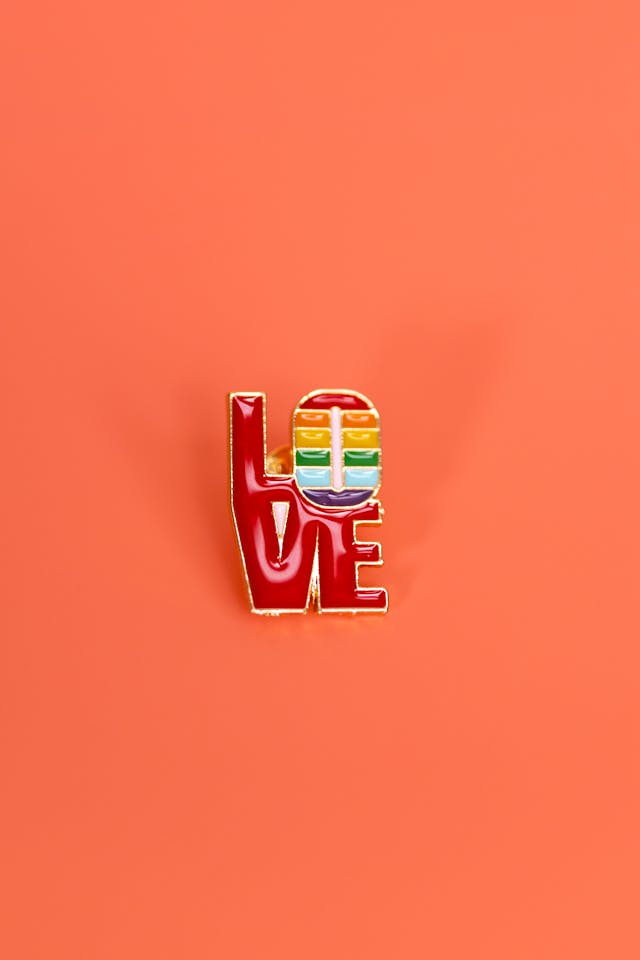
In this colorful world, simple tools can have surprisingly profound impacts. Enter the simple pin. It might look like just a decoration, but for many families, it serves as a strong support for education during school years.
Pins help keep kids organized and support positive habits. They quietly enhance daily learning experiences.
Why Small Visual Cues Matter in Family Education
Children’s learning styles differ greatly from adults; they thrive on visual stimuli. They connect deeply with what they can see and touch, especially as routines begin to form.
Verbal cues—like “Remember your jacket!” or “That’s not yours!”—often drift away in the whirlwind of school life. But visual reminders stick around, keeping the message alive and vibrant.
In family education, the aim isn’t relentless correction; it’s gentle reinforcement. Visible cues help kids learn good habits without harsh criticism.
Pins shine in this role because they are:
- Distinct without being overwhelming
- Personal enough to resonate
- Effortlessly woven into daily life
Over time, these visual anchors help kids become independent. They shift responsibility from parents to children.
Helping Kids Take Responsibility for Their Belongings
Lost belongings can spark a worldwide frenzy every school year.
In busy classrooms and lively halls, kids often have the same backpacks, jackets, and lunch bags. Even the best older kids can miss their treasures when they get distracted.
Pins offer a clever, effective solution.
By adding a small pin to a backpack or jacket, parents provide a memorable visual marker. This simple touch helps kids find their things fast. It reduces chaos without needing labels or constant reminders.
More importantly, it imparts a valuable lesson: ownership.
When kids can easily recognize their things, they become more likely to:
- Keep track of their belongings
- Notice when an item goes astray
- Embrace the responsibility of returning it home
This process unfolds gradually, nurturing confidence and accountability along the way.
Pins as Positive Reinforcement at Home
Parents often look for fun ways to boost good behavior. They want to reward kids without making achievements feel like a deal.
Enter the trusty pin. It’s a lasting symbol of effort, unlike quick rewards like stickers or charts.
Families frequently use pins to celebrate:
- Completing reading challenges
- Consistent homework efforts
- Acts of kindness and cooperation
- Participation in after-school activities
Since pins can be worn, displayed, or collected, they carry emotional weight. Children associate them with moments of pride, not obligation.
For parents looking for special rewards, myenamelpins.com has a great selection of enamel pins. These pins celebrate milestones and add a personal touch to daily routines.
Supporting Confidence and Belonging Through Everyday Symbols
A sense of belonging nurtures a child’s emotional well-being.
Small visual symbols can help many kids, especially shy ones or those in new places. Pins quietly symbolize group identity in meaningful ways.
Families use pins to signify:
- A specific class or grade
- Membership on a sports team
- Involvement in community activities
Wearing a group pin makes kids feel included. It helps them skip the need for social bravado. It sends a simple yet profound message: “I belong here.”
This supports emotional security for the family and respects each child’s unique personality.
Using Pins During School Events and Family Activities
Beyond the daily grind, pins thrive during special school events.
Crowded hallways, new faces, and lively activities fill these occasions. In such places, clarity and structure are key.
Pins find a home during:
- School open houses and orientations
- Field trips and off-campus adventures
- PTA meetings and volunteer opportunities
- Fundraisers or themed school days
Parents wear pins to show they are volunteers. Kids wear event-themed pins to build team spirit. These small touches enhance organization, smoothing the way for kids and adults alike.
Practical Considerations for Parents
While pins are modest tools, thoughtful usage is key—especially with younger children.
Parents should keep in mind:
- Age and maturity levels
- Secure pin backings to avoid loss
- Placement away from faces or necks
- School guidelines on accessories
When used wisely, pins remain both safe and functional throughout the school year.
Final Thoughts
Family education is built on repetition, consistency, and care.
Pins might not be necessary, but they can support important lessons. They promote responsibility, boost confidence, and create a sense of belonging when used well. In the whirlwind of a busy school year, these small tools facilitate smoother routines and foster growth.
Ultimately, it’s the simplest details that leave the most profound impressions.








Add Your Comment