


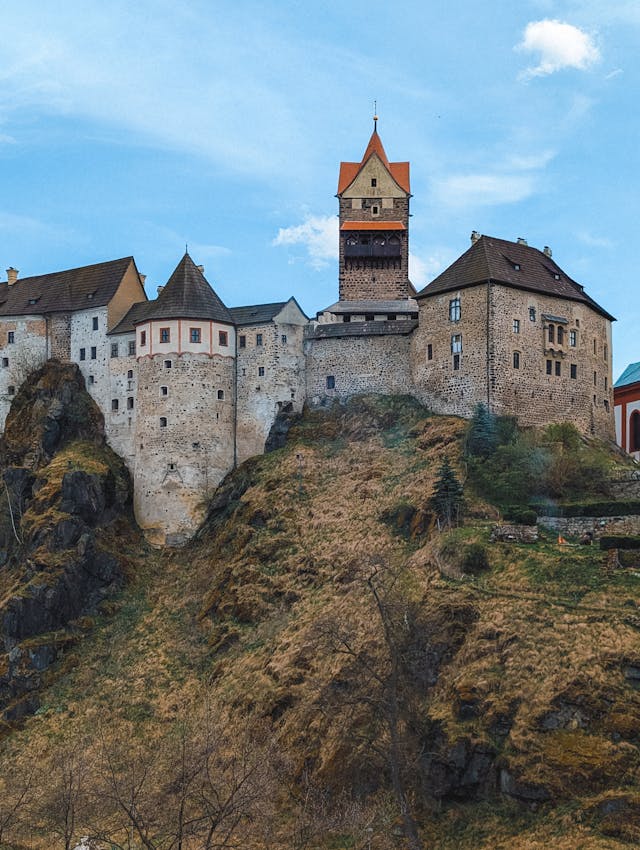
Prague may be Czechia’s most famous city, but it’s only the beginning of the country’s story. Step beyond the capital, and you’ll find towns that feel lifted straight from a fairytale—cobblestone streets, pastel facades, hilltop castles, and quiet squares untouched by mass tourism. The catch? Some of the most magical places aren’t easy to reach by train.
While Czechia has a solid rail network, many historic towns sit away from major routes or require multiple transfers that eat into precious travel time. For travelers who want to see more than the usual highlights, planning how to reach these destinations becomes just as important as choosing where to go. Staying connected while navigating rural routes is just as essential, so it’s wise to find the best eSIM for your travel with Myroami before heading beyond Prague’s main transport corridors.
On that note, here are seven fairytale towns worth the extra effort—places that reward visitors who look beyond the rail map.
Mikulov
Set against the limestone hills of South Moravia, Mikulov looks like a painting come to life. A grand château rises above terracotta roofs, while vineyards spread in every direction toward Austria’s border. The town’s Jewish Quarter adds another layer of history, with synagogues and a cemetery that speak to centuries of coexistence.
Why it’s special:
- Castle views at sunset that rival any postcard.
- Wine cellars pouring Pálava varietals.
- Easy access to nature trails in the Pálava Protected Landscape Area.
However, Mikulov is served only by limited regional rail connections with slow transfers. This is why many visitors choose private transfers when exploring the region.
Moreover, services like Taxi 4 Travel allow travelers to move directly between towns, castles, and countryside locations without restructuring the day around transport schedules. Hence, having control over departure times and routes makes it far easier to explore destinations that were never meant to be rushed.
Telč
Telč’s main square is one of the most beautiful in Europe: a long rectangle lined with candy-colored Renaissance and Baroque houses, each with ornate gables and arcades. At one end sits a castle surrounded by ponds, reflecting spires and clouds like a mirror.
Why it’s special:
- Compact, walkable streets perfect for slow exploration.
- Peaceful ponds and gardens frame the town.
Reaching Telč by train often involves multiple regional changes and limited daily connections. Traveling by road allows visitors to arrive early or stay late, enjoying the square once day-trippers leave and the town returns to its calm, storybook rhythm.
Lednice
Lednice isn’t just a town; it forms a vast, landscaped masterpiece designed by the Liechtenstein family. Think manicured gardens, romantic follies, and miles of cycling paths linking palaces through forests and vineyards.
Why it’s special:
- Ideal for cycling, picnicking, and photography.
- UNESCO World Heritage Site with year-round appeal.
Public transport connects parts of the area, but exploring the full landscape is difficult without flexible mobility. Road access makes it possible to move freely between palaces, viewpoints, and villages—turning the region into a seamless cultural journey rather than a fragmented visit.
Znojmo
Znojmo blends wine country charm with medieval intrigue. Its old town sits high above the Dyje River, and beneath the streets lies a labyrinth of tunnels once used for defense and storage. Add vineyard views and a relaxed local pace, and you have a destination that rewards curiosity.
Why it’s special:
- Underground passages stretching for kilometers.
- Clifftop views over the river valley.
- Wine culture with a distinctly local feel.
Although Znojmo has rail access, reaching nearby vineyards and viewpoints is far easier by road. Flexible travel allows visitors to pair historic exploration with countryside stops that trains simply don’t reach.
Třeboň
Třeboň feels refreshingly unhurried. Surrounded by fish ponds and forests, it’s known for its spa culture, Renaissance château, and relaxed South Bohemian atmosphere.
Why it’s special:
- Historic spa traditions.
- Flat cycling paths through pond landscapes.
- Calm old town perfect for extended stays.
While trains reach Třeboň, exploring the surrounding pond system and countryside works best with flexible transport. The freedom to stop along forest roads and lakeside paths adds depth to the experience.
KutnáHora
Kutná Hora is famous for St. Barbara’s Cathedral and the Bone Church, but its charm extends beyond the headline sights into quiet streets and historic neighborhoods.
Why it’s special:
- UNESCO-listed Gothic architecture.
- Layers of medieval silver-mining history.
- Walkable historic core beyond tourist hotspots.
While trains connect Prague and Kutná Hora, visiting surrounding landmarks and lesser-known sites is easier without relying on fixed schedules—especially for travelers who want more than a short half-day stop.
Valtice
Often overshadowed by Lednice, Valtice stands on its own as a refined Baroque town anchored by an impressive château and surrounded by vineyards.
Why it’s special:
- Grand château with elegant interiors.
- Access to wine routes and cellar villages.
- A quieter, less tourist-heavy atmosphere.
Valtice’s appeal lies in lingering—something that’s difficult to do when bound to limited public transport. Traveling by road makes it easier to explore neighboring wine villages and return on your own schedule.
Conclusion
Czechia’s rail network is excellent—but it favors major corridors. The moment you aim for vineyards, castles, and UNESCO landscapes stitched together by country roads, flexibility becomes the real luxury. Traveling beyond Prague isn’t about rejecting trains; it’s about choosing the right tool for the experience you want.
By planning routes that fit your interests, you trade rigid timetables for discovery. The result is a trip that feels less rushed and more personal, revealing the quieter fairy-tale side of Czechia that many visitors miss.











Add Your Comment