


These days, managing your money often means tapping through apps or logging into online banking accounts. Despite how much has changed with the way you interact with your finances, there are time-tested tips that remain just as powerful now as they were decades ago. These traditional practices may have come from a time of physical ledgers and envelopes, but they continue to offer practical wisdom, especially when paired with digital tools available today.
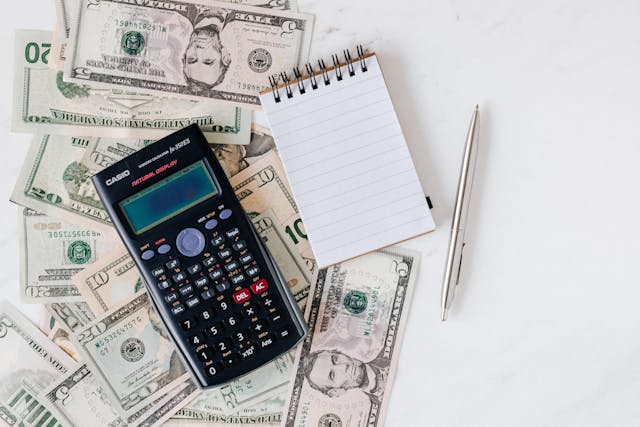
Here are just a few of them:
Live Below Your Means
Living below your means simply means spending less than what you earn, and it’s a habit that can help you avoid debt and build savings no matter the decade. Indeed, this classic piece of advice has stood the test of time and continues to remain relevant and has perhaps become even more important with advancements in technology.
Today, budgeting apps and online expense trackers can help you visualise your income and expenses, making it easier to stay disciplined with your spending. Sticking to this principle can be your financial safety net, especially during lean months or emergencies.
Pay Yourself First
Originally popularized in personal finance books from the 20th century, the idea of paying yourself first encourages you to prioritize saving before spending. In practice, this means setting aside a portion of your income the moment it comes in and treating that portion like a non-negotiable bill. Some people take this habit further by setting their savings aside in a high-interest savings account so that it can grow over time.
Paying yourself first is easier than ever when using banking apps and digital wallets. In just a few clicks, you can separate your spending and savings fund and transfer the latter to a bank account Philippines consumers trust best. This strategy helps you build long-term discipline as well as save for major purchases or cover emergency needs.
Track Every Penny
In the past, following this tip meant writing down every expense in a notebook or keeping receipts in an envelope. While that might sound tedious, it was a great way to gain awareness of spending habits. Keeping an eye on your daily transactions, even the smallest ones, can help you spot where you might be overspending and identify opportunities to save. Today, digital wallets and banking apps allow you to track your expenses, which adds a layer of convenience to managing your finances.
Stick to a Budget
Budgeting is one of the most basic financial practices. It’s also one of the most important tips you can follow when it comes to managing your finances. Setting a plan for how you’ll allocate your money keeps your finances organised and intentional.
Now, you have access to a range of digital budgeting methods, from simple spreadsheets to more detailed zero-based budgeting apps. This means that even if you have irregular income, as is common for freelancers and business owners, you can still create a budget that accounts for essential expenses, savings, and a bit of fun.
Avoid Unnecessary Debt
In earlier decades, debt often meant borrowing from family or taking out a loan from a cooperative or bank. The principle of only borrowing when absolutely necessary protected many from falling into financial traps. The traditional advice to avoid borrowing for non-essentials still holds strong in the age of credit cards and buy now pay later offers. Now is as good a time as any to start using digital credit tools wisely and dedicating these financing channels to needs that you can realistically repay on time.
Have an Emergency Fund
This tip has roots in rural and urban Filipino households alike. Back in the day, people would stash cash in secret spots for emergencies, brought about by the need for peace of mind and having something to fall back on when life took an unexpected turn. A solid emergency fund can save you from relying on high-interest loans or credit card debt when medical bills, job loss, or other crises strike.
Today, you can build an emergency fund in a high-yield digital savings account. The key principle is the same: set aside money regularly and make sure it’s accessible when you need it most.
Compare Before You Spend
Long before online reviews and comparison sites, Filipinos were already known for being madiskarte and maparaan—clever and resourceful. Asking around, comparing prices from different stores, and looking for the best value has always been part of wise money management.
Now, you can do price checks with a few swipes on your phone. From groceries to gadgets, comparing before buying can save you thousands over time. You can even use browser extensions that alert you to price drops or cashback options when shopping online.
Digital tools have made it easier than ever to follow good financial practices. However, it’s the mindset behind these age-old tips that truly makes the difference. By blending the wisdom of the past with the convenience of the present, you can build a money management system that’s both effective and enduring.











Add Your Comment