


Are you dealing with missing teeth right now? If so, you probably know how frustrating and uncomfortable it can feel. Simple things like eating your favorite foods, speaking clearly, or even smiling in photos can suddenly feel harder than they should. Many people in Cincinnati also notice a quiet dip in confidence, especially when tooth loss begins to affect everyday interactions.
However, while it can feel discouraging at first, there is no reason to feel stuck. Modern dentistry offers several reliable ways to replace missing teeth and restore both comfort and function. Each option works a little differently, but all are designed to help you move forward. This article walks you through the most common ones in a simple, easy-to-understand way.
Keep reading!
- Dentures
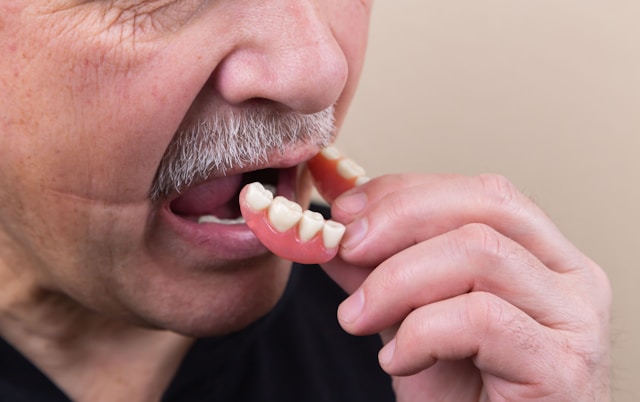
Dentures are one of the most familiar solutions for replacing missing teeth. In simple words, they are removable appliances made from durable acrylic materials and tooth-colored resin teeth. Their purpose is to support daily functions like chewing and speaking, while also restoring a natural-looking smile.
At first thought, this can seem daunting, but the fitting process is meant to make them as comfortable as possible. Dentists offering dentures in Cincinnati typically use modern tools to create a custom fit. This allows the denture to follow the natural contours of the gums, helping it look and feel more natural. After placement, dentures sit securely and function smoothly during daily routines.
What makes it even more appealing is that many centers like Hardin Advanced Dentistry also offer partial options. This means that if you are missing only a few teeth, you may not need a full denture. Instead, dental experts can recommend a solution that fills in just the gaps. This range of options allows treatment to be tailored to your exact needs rather than forcing a one-size-fits-all approach.
- Bridges
Dental bridges are a fixed option used to replace one or more missing teeth by anchoring to the surrounding natural teeth. As the name suggests, a bridge “bridges” the gap left by missing teeth, restoring both appearance and chewing ability.
Because bridges are fixed in place, they often feel more like natural teeth once you get used to them. They can be a good option when the teeth next to the gap are healthy enough to support the bridge. Many people appreciate that bridges do not need to be removed for cleaning, making them feel more seamless in daily life.
However, bridges are best suited for specific situations. Your dentist will look at the health of the surrounding teeth and overall bite before recommending this option. When appropriate, bridges can offer a stable and long-lasting solution for tooth replacement.
- Implants
Dental implants are another option for replacing missing teeth, especially when a long-term, fixed solution is preferred. They involve placing a small post into the jawbone, which then supports a crown that looks and functions like a natural tooth.
Because implants integrate with the bone, they help maintain jaw structure and prevent bone loss over time. This makes them appealing to some patients who are looking for a more permanent option. Implants can be used to replace single teeth or support other restorations, depending on the situation.
That said, implants require a longer treatment timeline and sufficient bone health. They are not always the right choice for everyone, which is why a personalized dental evaluation is important before moving forward. Consulting with a qualified dental surgeon in Schaumburg, such as the team at Renovo Endodontic Studio, can help determine whether implants or another option is better suited to your needs.
- Temporary Flippers
A temporary flipper is a lightweight, removable appliance designed to replace one or a few missing teeth. It’s often used as a short-term solution. Flippers are made to blend in visually, helping fill the gap so smiling and speaking feel more comfortable.
Many people appreciate flippers because they are simple and non-invasive. They don’t require surgery and can usually be made fairly quickly. This makes them especially helpful after a tooth extraction or unexpected tooth loss, when appearance and basic function matter right away.
While flippers are not meant to be a long-term solution, they serve an important role. They help prevent surrounding teeth from shifting and give patients time to consider their next steps without feeling rushed. For those adjusting to tooth loss, a flipper can offer reassurance and breathing room during the decision-making process.
Wrapping Up
Missing teeth can affect comfort, confidence, and everyday routines, but there are effective ways to address them. Dentures, bridges, and implants each offer their own benefits, depending on your needs and goals. The right solution is the one that helps you feel comfortable, supported, and confident again. With clear guidance and modern dental care, replacing missing teeth can feel far more manageable than it might seem at first.










Add Your Comment