


Kids often sense a parent’s emotions long before anything is said out loud. Small shifts in tone, energy, or daily rhythm can feel big to a child who relies on the adults in their life for steadiness. When a parent goes through a stressful period, children often respond in quiet, thoughtful ways that show how tuned in they are. Understanding this sensitivity can help families create a calmer atmosphere at home and give kids the reassurance they need during uncertain moments.
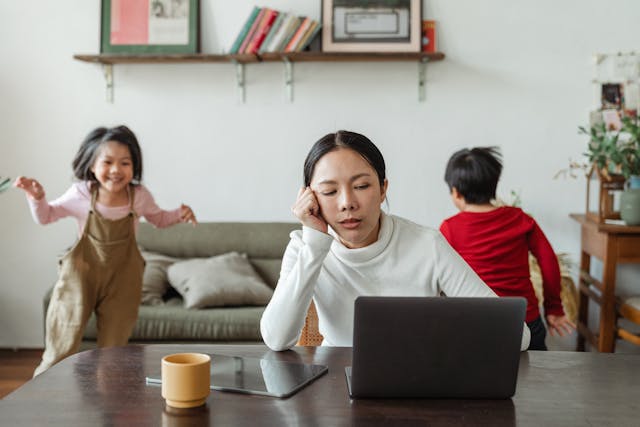
Why Kids Sense Parent Stress So Easily
Children look to their parents for clues about how safe the world feels. They watch faces, listen to voices, and notice when routines change. Because they have less experience with adult responsibilities, they may misinterpret work-related stress or outside pressures as something happening within the family. Their reactions often come from a simple desire to understand their surroundings and stay connected to the people they love. Younger kids might imitate a parent’s mood or become more attached than usual. Older children tend to think about what they see and try to make sense of it on their own. Both responses reflect how deeply kids depend on emotional signals from the adults around them.
Signs Your Child May Be Feeling Your Stress
Children express tension in different ways. Some become quieter, staying close or taking extra time before speaking. Others show bursts of frustration or seem unsettled without knowing why. Sleep struggles, irritability, and clinginess are common when kids feel unsure. Younger children might return to habits they had grown out of, especially during bedtime or transitions. School-age kids may have trouble focusing, ask more questions than usual, or feel overwhelmed by conflicts that never bothered them before. These changes often reflect a child’s effort to understand the emotional tone at home.
When Work Stress Affects Family Life
Work can shape the way a parent feels when they return home at the end of the day. Long hours, sudden shifts in schedules, or pressure to meet deadlines can influence the household atmosphere in ways children notice. Even when parents try not to show it, kids often pick up on shorter conversations, quick responses, or less patience during regular routines. Research from the American Psychological Association explains how children react to emotional changes in the home and why these moments can affect their behavior.
How Demanding or High-Risk Jobs Can Increase Stress at Home
Some parents work in settings that require constant alertness. Jobs that involve heavy equipment, unpredictable conditions, or physical danger can create a kind of stress that follows a person home. Children may not understand the nature of the work, but they often sense the seriousness behind it through tone, body language, or the way a parent unwinds after a long day. Families touched by physically risky work sometimes turn to information that helps them understand the environment their loved one faces. Parents who spend their days near waterways, for example, may come across barge accident legal information as they learn more about the risks associated with their field. Kids may not hear these details directly, yet they often feel the weight of the responsibility their parent carries.
Ways to Support Kids When They Sense Parent Stress
Children feel more grounded when simple rhythms remain steady at home. Regular mealtimes, predictable bedtime habits, and brief moments of focused attention can help them find their footing when life feels tense. Even a few minutes of genuine connection can give a child something solid to hold onto. Clear communication also helps. Naming your feelings in an age-appropriate way can ease the worries children often keep to themselves. A reassuring reminder that work-related stress is not about them can make the home feel safer again. Creative outlets like drawing, movement, or journaling offer kids a space to release tension. Many parents look for ideas when their children seem overwhelmed, and resources such as this piece on supporting struggling children provide approaches that can fit into everyday routines.
Helping Yourself Helps Your Kids
Parents often try to push through stress for the sake of their family, yet taking small moments to care for themselves can make a meaningful difference at home. Stepping outside for a breath of fresh air, enjoying a quiet drink, or taking a short break from screens can restore a sense of balance. Noticing your own signs of stress, such as irritability or trouble focusing, gives you the chance to reset before tension builds. Kids respond well when they see a parent choose simple, healthy ways to care for themselves. These habits show children that stress is part of life and that there are steady ways to work through it. Over time, these choices create a calmer emotional tone at home and offer comfort to everyone.
Conclusion
Kids often sense a parent’s stress more quickly than adults expect. When families understand this sensitivity and offer steady support, the home becomes a more stable and comforting place. Simple routines, honest conversations, and moments of closeness help children feel grounded even when life is busy. When parents care for their own well-being, they shape a home environment where everyone feels understood and at ease.











Add Your Comment