


Choosing between a wood or metal playset can feel like a big decision for families who want a safe and lasting backyard setup. Each material offers different strengths that affect safety, durability, and maintenance. Wood playsets generally provide a safer and more natural feel, while metal playsets often last longer with less upkeep. Understanding how each type performs helps families decide which one fits their needs best.
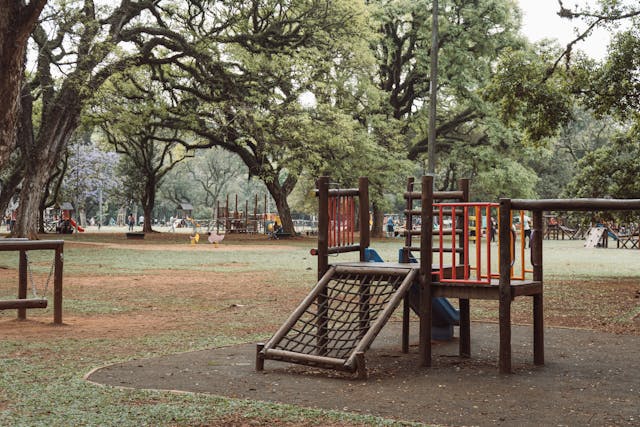
Wood playsets create a warm, classic look that blends well with outdoor spaces. They usually feel cooler to the touch and give a softer surface if a child bumps into them. However, they need regular care to prevent rot or insect damage. Metal playsets resist weather and wear better, but can heat up in the sun or rust over time without protection.
This article compares the safety and durability of both materials while also covering maintenance, cost, and customization. By the end, families will know which playset offers the best mix of safety, strength, and long-term value for their children’s playtime.
Comparing Safety and Durability of Wood vs Metal Playsets
Wood and metal playsets each have distinct strengths that affect how safe and long-lasting they are for children. The type of material influences stability, surface temperature, and how much care the structure needs over time. Families looking for durable outdoor playsets often weigh these factors before buying.
Safety Considerations for Kids
Safety depends on surface texture, temperature control, and design. Wood playsets usually have smoother edges and a softer surface that reduces the chance of scrapes or burns. They also stay cooler under direct sunlight, which helps prevent contact injuries during summer.
However, wood can splinter if not sealed properly. Regular sanding and sealing prevent rough spots. Treated lumber may contain chemicals, so choosing non-toxic finishes is important for children’s health.
Metal playsets resist pests and decay but may heat up quickly under the sun. Steel parts can become hot enough to cause burns, especially in warmer climates. Rust and sharp edges also create hazards if maintenance lapses. Protective coatings and rounded corners reduce these risks and make metal sets safer for regular use.
Durability and Longevity
Metal playsets often last longer because steel and aluminum resist bending and structural wear. They hold weight well and stay steady even after years of use. However, rust can weaken joints if the surface coating wears off. Applying rust-resistant paint every few years keeps them strong.
Wood playsets can last just as long with proper care. Cedar and redwood naturally resist rot and insects. Regular sealing prevents moisture damage and extends the lifespan. Fasteners and joints may loosen over time, so tightening and replacing parts helps maintain safety.
Both materials can last over a decade with upkeep. Families who prefer a natural appearance often choose wood, while those seeking lower day-to-day maintenance may prefer metal.
Weather Resistance and Material Quality
Moisture, heat, and cold affect each material differently. Metal stands up well to rain and snow but can corrode without protective coatings. In coastal areas, salt exposure speeds up rust, so galvanized or powder-coated steel works best.
Wood reacts more to humidity and temperature changes. Untreated boards may warp or crack, especially in wet or freezing conditions. Using weather-sealed wood and keeping it off damp ground improves performance.
High-quality materials and consistent care determine how well a playset holds up outdoors. Families who live in regions with extreme weather should choose materials that match their climate for the safest and longest-lasting backyard setup.
Maintenance, Cost, and Customization Factors
The durability and value of a backyard swing set depend on how well it is maintained, how much it costs over time, and how easily it can be customized to fit a family’s needs. Each factor influences the long-term safety, appearance, and usefulness of the playset.
Upkeep and Maintenance Requirements
Wood and metal swing sets need different types of care to stay safe and attractive. Wooden sets require regular inspections, tightening of bolts, and treatment with sealant or stain to prevent rot, warping, and insect damage. A water-repellent coat once a year helps protect the surface from moisture and sun exposure.
Metal sets usually need less frequent attention but still require rust prevention. Scratches or chipped paint should be sealed quickly to stop corrosion. Applying a protective coating can extend the metal’s life, especially in humid or coastal areas.
| Material | Common Issues | Maintenance Frequency |
| Wood | Rot, splinters, fading | Seasonal or yearly |
| Metal | Rust, chipped paint | Every 1–2 years |
Families who prefer low maintenance often choose metal, while those who value a natural look accept the extra effort of caring for wood.
Swing Set Cost and Value Over Time
Swing set cost varies based on material, size, and design. Metal swing sets often have a lower upfront price and simpler installation. However, high-quality metal models built for heavy use can cost more. Over time, rust treatment and repainting add small but recurring expenses.
Wooden swing sets usually cost more at purchase due to their size and construction. They also require ongoing maintenance materials such as sealants and replacement parts. Yet, many homeowners find that a well-kept wooden playset retains its value longer because of its visual appeal and solid structure.
| Material | Initial Cost | Long-Term Value |
| Wood | Higher | Strong resale and aesthetic value |
| Metal | Lower | Moderate resale value |
Families should balance short-term savings with long-term durability and appearance.
Customization and Aesthetic Appeal
Customization adds personality and function to a backyard swing set. Wooden playsets allow for more design choices, such as adding slides, climbing walls, or forts. They can also be painted or stained to match the home or landscape.
Metal playsets usually come in fixed designs with fewer options for modification. Their clean, modern look appeals to families who prefer a simple setup. However, color choices and accessories are often limited to what the manufacturer offers.
In terms of appearance, wood provides a warm, natural look that blends well with outdoor spaces. Metal offers a sleek, durable style that fits well in contemporary yards. Each material supports different goals for design, space, and maintenance effort.
Conclusion
Both wood and metal playsets have clear strengths and weaknesses. Wood offers a natural look, better temperature control, and more design flexibility. Metal provides stronger structure and lower upkeep but can heat up quickly and rust over time.
Families should weigh what matters most—safety, maintenance, cost, and lifespan. A wooden playset may suit those who value appearance and customization, while a metal one may fit families who prefer durability and less care.
The best choice depends on the child’s age, local climate, and how long the set will be used. Careful comparison helps parents choose a playset that stays safe and fun for years.











Add Your Comment