


Homework isn’t just a task to check off after school – it’s the foundation of self-discipline, time management, and independence. Yet, for many families, getting children to take homework seriously can feel like an uphill climb. Between after-school activities, screen time, and short attention spans, keeping kids focused isn’t easy.
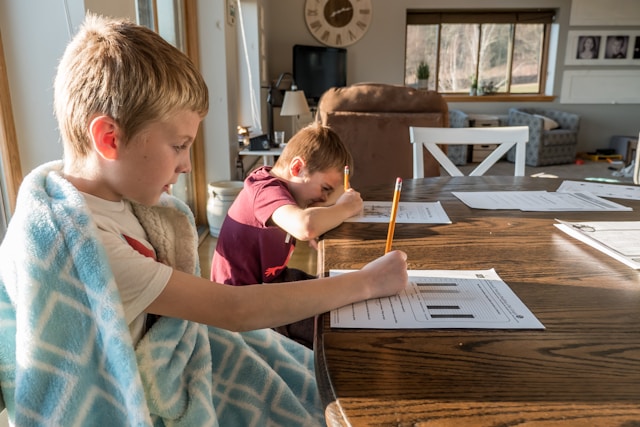
Still, teaching homework responsibility early helps kids understand the purpose behind their schoolwork. They learn that studying isn’t punishment – it’s preparation for life. Parents who guide rather than pressure their children can make the experience less stressful and more meaningful.
And when life gets busy, or your own responsibilities pile up, there’s no harm in seeking extra support for yourself. Many parents today look for professional resources that can guide them through academic expectations, such as when they decide to hire EssayHub to write my essay online. The same principles that help adults manage deadlines – structure, focus, and consistency – can also help children master theirs.
Why Homework Responsibility Matters
Homework teaches more than academic skills. It helps kids develop responsibility, patience, and perseverance. When children learn to complete assignments without constant reminders, they build confidence in their ability to meet goals.
At its best, homework also strengthens the connection between school and home. It lets parents see what their kids are learning and gives children space to practice new skills independently. A sense of ownership grows when parents encourage accountability rather than control every step.
Children who develop self-managed study habits early often carry them through high school, college, and even professional life. That’s why the focus should shift from finishing homework to understanding its purpose.
Creating a Supportive Homework Environment
A productive study space doesn’t need to be fancy – it needs to be consistent. The goal is to minimize distractions and signal that this is a focused time for learning.
Here are a few ways to create the right environment:
- Choose a quiet, well-lit area: Avoid rooms where the TV or loud conversations can distract.
- Keep supplies nearby: Pencils, paper, and chargers should all be within reach to reduce interruptions.
- Set clear time boundaries: Children focus better when they know there’s an end time.
Younger kids benefit from gentle supervision, while older students appreciate being trusted to handle their own routine. The key is balance – being available for questions without hovering.
Building Consistent Routines That Work
Routine helps turn homework from a battle into a habit. Children thrive on predictability, and a consistent schedule helps them prepare mentally for work time.
Start by setting a specific time for homework every day. It could be right after a snack or once they’ve had time to relax from school. Whatever the choice, consistency matters more than the exact hour.
To keep motivation steady, involve your child in planning the schedule. Ask questions like:
- “Do you prefer doing homework before or after dinner?”
- “What time of day do you feel most focused?”
When kids feel part of the decision-making process, they’re more likely to cooperate and stay consistent.
Helping Without Taking Over
One of the hardest things for parents is knowing when to step in and when to step back. Helping too much can make children dependent, while helping too little can lead to frustration.
The ideal role is that of a coach – supportive but not controlling. Offer guidance, not answers. Ask open-ended questions like, “What’s the next step in solving that?” instead of providing the solution.
If your child struggles with motivation, use positive reinforcement. Praise effort over perfection. Say things like, “I can see how much focus you’re putting into this,” rather than, “You’re so smart.” This shift encourages persistence and a growth mindset.
Encouraging Motivation and Independence
Motivation grows when kids understand why homework matters. It’s not just about grades; it’s about growth. Parents can make learning feel relevant by connecting school subjects to real life.
For example:
- Math: Relate fractions to cooking or budgeting.
- Science: Explore how weather changes affect outdoor plans.
- Language arts: Encourage storytelling or journaling about daily experiences.
Let kids see that the skills they practice have real value. When they view homework as meaningful, they naturally take more ownership.
You can also introduce small rewards for responsibility – not bribes, but acknowledgments of consistency. A simple “You’ve stayed on top of your homework all week, great job!” reinforces good habits without creating pressure.
When to Step Back – and When to Step In
Even the most responsible child will occasionally miss an assignment or forget to study. That’s part of learning. Parents should allow natural consequences to teach accountability while still offering support when needed.
For younger kids, stepping in might mean sitting with them for the first few minutes to help them organize. For teens, it may involve checking in once or twice during the week rather than daily.
If you notice consistent struggles or emotional stress, communicate with teachers instead of punishing the child. Sometimes, challenges stem from unclear expectations or learning gaps rather than laziness.
Responsibility grows when parents trust their children to manage mistakes and learn from them. The goal isn’t perfection – it’s progress.
Expert Insight on Academic Support
Ryan Acton from EssayHub’s essay writing service notes that academic success depends as much on environment and mindset as on ability. “When parents model structure and self-discipline, kids pick up those habits naturally,” he explains. “Homework becomes less about pressure and more about personal growth.”
This perspective highlights the importance of guidance over control. Parents who create structure while letting kids take ownership help them become confident, self-directed learners – qualities that matter long after school ends.
Final Thoughts
Homework doesn’t need to be a nightly struggle or a source of tension. It’s an opportunity to build independence, focus, and perseverance – skills that serve children for life. When parents set clear expectations, provide structure, and show patience, homework becomes less about finishing pages and more about developing character.
Parenting through homework is really about teaching resilience – helping kids understand that effort leads to results. And as they learn to manage their own schoolwork, they’re also learning how to manage life!











Add Your Comment